CM Sawant hails ₹36,441 cr Khelo India expansion
Synopsis
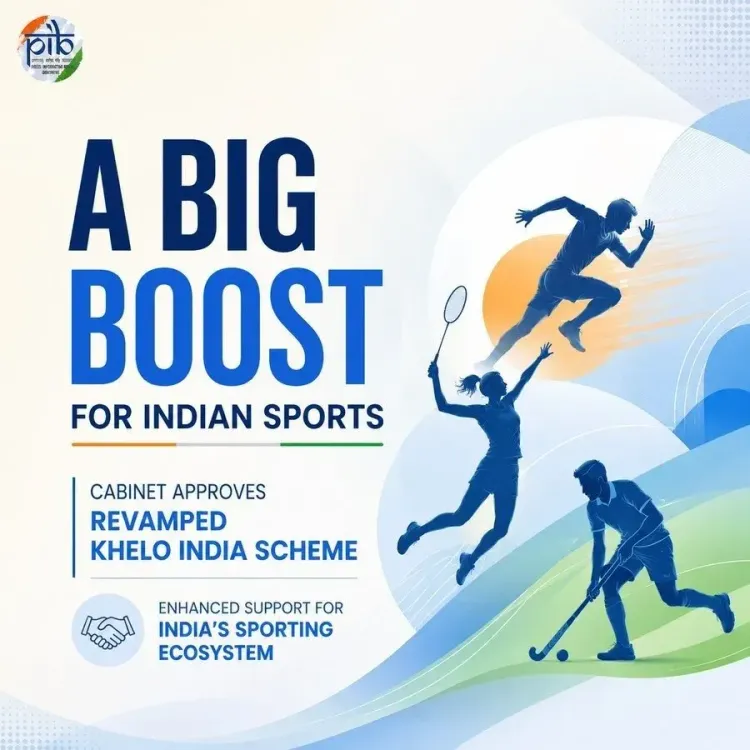
The Union Cabinet has approved an expanded Khelo India Scheme and enhanced ANSF grants worth ₹36,441 crore, the largest-ever central sports outlay. Goa CM Pramod Sawant hailed the move as a landmark step toward building a sporting Viksit Bharat, with the 2028 Los Angeles Olympics in view.
Key Takeaways
The Union Cabinet approved an expanded Khelo India Scheme and enhanced Assistance to National Sports Federations with a combined outlay of ₹36,441 crore .
Goa Chief Minister Pramod Sawant congratulated Prime Minister Narendra Modi and the Cabinet for the decision on 31 July 2026 .
The Khelo India Scheme was originally launched in 2017 and expanded in 2021-22 to cover more disciplines and integrate with elite-athlete support programmes.
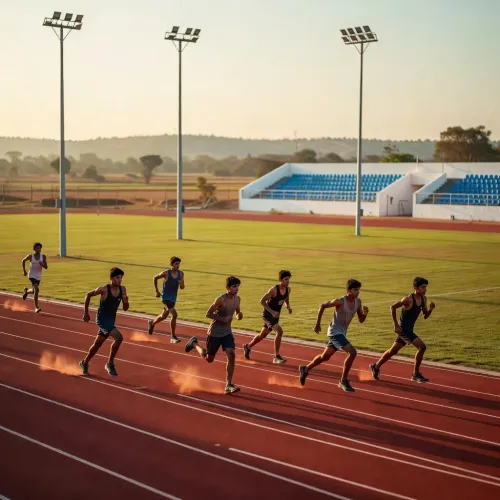
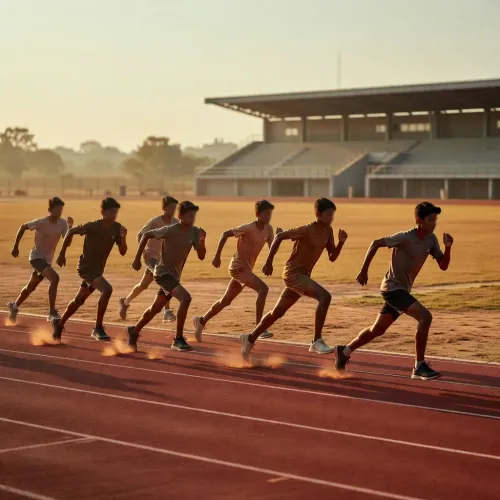
The investment targets a full pipeline — from grassroots talent identification to preparation for the 2028 Los Angeles Olympics .
The announcement is framed within the government's Viksit Bharat vision, linking sporting excellence to India's 2047 development goals.
Revised state-wise allocation guidelines and updated ANSF grant criteria are expected in subsequent months.
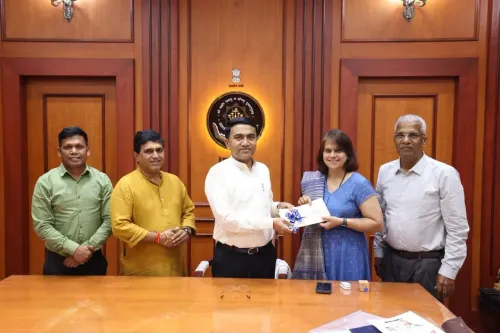
India's sporting ambitions just received their largest-ever central outlay. Goa Chief Minister Pramod Sawant on Friday, 31 July 2026, congratulated the Union Cabinet for approving an expanded Khelo India Scheme and enhanced Assistance to National Sports Federations (ANSFs) — backed by a historic allocation of ₹36,441 crore.
What the ₹36,441 crore mandate covers
The Cabinet-cleared package merges two pillars of India's sports architecture into a single, scaled-up push. The Khelo India Scheme, first launched in 2017, was designed to scout and nurture talent from the grassroots — district-level competitions, sports infrastructure in schools and colleges, and a structured pathway to elite training. The ANSF grant mechanism, a longer-standing instrument, funds recognised national federations for training camps, international exposure and administrative operations. Bringing both under one expanded umbrella, and attaching a multi-thousand-crore outlay, signals a shift from year-to-year budgeting to a sustained, multi-year commitment.
CM Sawant described the investment as 'transformative', saying it would strengthen India's sporting ecosystem 'by nurturing talent from the grassroots to the global stage, promoting fitness, empowering youth, and preparing our athletes for the Olympics and other international competitions.'
Khelo India's journey from 2017 to this moment
When the scheme debuted nearly a decade ago, its remit was modest — annual competitions, talent identification, and seed funding for infrastructure. A 2021-22 expansion broadened its scope to more disciplines and tighter integration with the Target Olympic Podium Scheme, which supports elite athletes in the final stretch before major Games. The latest approval represents the most significant scaling yet, with the outlay dwarfing earlier annual allocations and embedding sports funding into the government's Viksit Bharat vision — the stated goal of transforming India into a developed nation by 2047.
The policy logic is straightforward: India's Olympic medal tallies have historically underperformed relative to its population, and successive governments since 2014 have responded by shifting from sporadic grants to structured, multi-year pipelines. A record outlay at this scale is an acknowledgement that soft-power credibility and youth fitness are now treated as strategic, not ceremonial, priorities.
What athletes and federations can expect next
The immediate beneficiaries span three tiers — young athletes at the grassroots who enter the Khelo India talent funnel, state governments that receive infrastructure support, and national sports federations whose training and competition budgets will be shored up. Revised guidelines on state-wise fund allocation and updated ANSF grant criteria are expected in the months ahead. The sharper accountability test, however, will arrive at the 2028 Los Angeles Olympics, where India's medal performance will be measured — fairly or not — against the scale of this investment.
For a state like Goa, which has produced competitive athletes in football and other sports through Khelo India's regional competitions, the expanded scheme carries direct significance. CM Sawant's endorsement underlines how the programme resonates beyond the national capital.
India has written a cheque for its sporting future. The 2028 Games will be the reckoning.
Point of View
441 crore sports outlay is the clearest signal yet that the government views Olympic performance as a measurable index of national development, not merely a feel-good aspiration. Embedding the Khelo India expansion within the Viksit Bharat framework is politically deliberate — it ties grassroots sports funding to a 2047 civilisational narrative that transcends any single election cycle. For BJP chief ministers like Pramod Sawant, endorsing such announcements serves a dual purpose: it aligns the state with a popular central initiative while signalling that regional sporting ecosystems will benefit. The real test of this policy arc arrives at the 2028 Los Angeles Olympics, where medal outcomes will either validate or complicate the government's record investment.
NationPress
31 Jul 2026
Frequently Asked Questions
What is the Khelo India Scheme and what does the 2026 expansion include?
The Khelo India Scheme is a central government programme launched in 2017 to develop sports culture at the grassroots level through talent identification, infrastructure support and annual competitions. The 2026 Cabinet approval expands the scheme and merges it with enhanced Assistance to National Sports Federations grants, with a combined outlay of ₹36,441 crore to fund athletes from the district level through to Olympic preparation.
What is the total outlay approved for Khelo India in 2026?
The Union Cabinet approved a historic outlay of ₹36,441 crore for the expanded Khelo India Scheme and enhanced Assistance to National Sports Federations, as announced on 31 July 2026.
Why did Goa CM Pramod Sawant comment on a central sports scheme?
As a BJP chief minister, Pramod Sawant congratulated the Union Cabinet and Prime Minister Modi on the approval, reflecting both political alignment with the central government and Goa's direct stake in Khelo India competitions and infrastructure funding.
How does Khelo India connect to the 2028 Los Angeles Olympics?
The expanded scheme explicitly targets Olympic preparation as a key goal, funding training pipelines and national federation support that are designed to improve India's medal performance at the 2028 Los Angeles Olympics and other international competitions.
What is Viksit Bharat and how does it relate to sports funding?
Viksit Bharat is the Indian government's vision to transform India into a fully developed nation by 2047. The latest sports outlay has been framed as part of this vision, linking athletic excellence and youth fitness to the country's broader development goals.