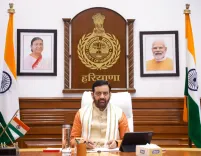
CM Sawant tunes in live to book launch on modern India

Synopsis
Goa Chief Minister Pramod Sawant shared a live stream of the launch of 'Development Dialogues: Journeys, Ideas and The Makers of Modern India' on October 13, 2026 — a book framing India's development story through journeys, ideas, and the individuals who shaped the nation.
Key Takeaways
Goa Chief Minister Pramod Sawant shared a live broadcast of a book launch on October 13, 2026 .
The book is titled 'Development Dialogues: Journeys, Ideas and The Makers of Modern India' .
The event was streamed live, indicating outreach beyond a single physical venue.
Sawant has served as Goa's Chief Minister since 2019 under the BJP.
Indian political leaders frequently associate with literary and cultural events as part of public engagement.
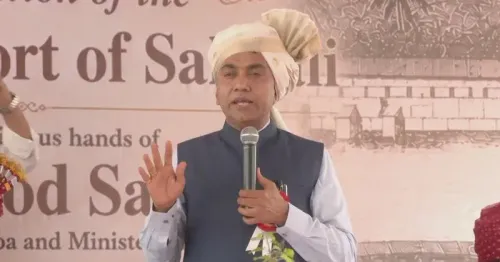
A live stream, a book, and a question worth asking: what does it take to build a modern nation? Goa Chief Minister Pramod Sawant shared a live broadcast link on Tuesday, October 13, 2026, plugging into the launch of 'Development Dialogues: Journeys, Ideas and The Makers of Modern India' — a title that frames India's development story as a conversation across generations of thinkers and doers.
'Development Dialogues' and the idea it is selling
The book's full title — 'Development Dialogues: Journeys, Ideas and The Makers of Modern India' — signals an ambitious sweep: journeys (biography and history), ideas (policy and philosophy), and makers (the individuals who shaped outcomes). Whether its authors approach that canvas from an academic, journalistic, or policy-practitioner angle is not yet in the public record. What is clear is that the launch was streamed live, suggesting an event designed for reach beyond a single conference room.
Why a Chief Minister at a book launch matters
Indian state leaders have long used literary and cultural events as soft-power moments — a chance to signal intellectual seriousness and align with a particular national narrative. Sawant, who has served as Chief Minister of Goa since 2019 under the BJP, stepped into this space with a straightforward share rather than a formal keynote or authored foreword. The gesture is modest; the symbolism, given the book's subject matter, is not entirely incidental.
Book launches centred on India's development trajectory have multiplied in the post-2014 era, reflecting a broader cultural moment in which the story of modern nation-building is being actively contested and celebrated simultaneously. A title that names 'makers' invites the reader to ask who counts — a question that tends to generate its own headlines.
Goa's place in the conversation
Goa's own development arc — tourism-led growth, infrastructure investment, and a push toward year-round economic activity under successive state governments — gives its Chief Minister a particular vantage point on dialogues about what development means in practice. Sawant has overseen several infrastructure and social-sector initiatives during his tenure, making the subject of the book something less than abstract from his office's perspective.
For now, the Chief Minister's share puts the book in front of a wider political audience. Whether that translates into a policy conversation is the more interesting follow-on.
Point of View
Where tourism and infrastructure have defined the growth conversation, the Chief Minister's interest in a broad national development framework carries a faint but real policy subtext. Watch for whether the book's authors or themes surface in Goa's upcoming policy communications.
NationPress
13 Oct 2026
Frequently Asked Questions
What book did Goa CM Pramod Sawant promote on X?
Goa CM Pramod Sawant shared a live stream link for the launch of 'Development Dialogues: Journeys, Ideas and The Makers of Modern India' on October 13, 2026.
Who is Pramod Sawant?
Pramod Sawant is the Chief Minister of Goa and a BJP leader who has held the position since March 2019.
What is 'Development Dialogues: Journeys, Ideas and The Makers of Modern India' about?
Based on its title, the book explores India's development story through personal journeys, ideas, and the individuals who shaped modern India, though further details on authors and content are not yet publicly confirmed.
Why do Indian politicians attend or promote book launches?
Indian political leaders regularly participate in literary and cultural events as a form of public engagement, signalling intellectual alignment with particular national or policy narratives beyond core governance work.
When did Pramod Sawant share the book launch stream?
Sawant shared the live stream link on Tuesday, October 13, 2026, at approximately 6:04 PM IST.