CM Sawant Launches Sports Science Workshop for Goa Coaches
Synopsis
Goa CM Pramod Sawant inaugurated a 3-day sports science workshop for coaches and PE teachers at Mapusa on August 3, 2026, covering nutrition, biomechanics, and injury prevention, while calling for taluka-level expansion to deepen grassroots sporting development across the state.
Key Takeaways
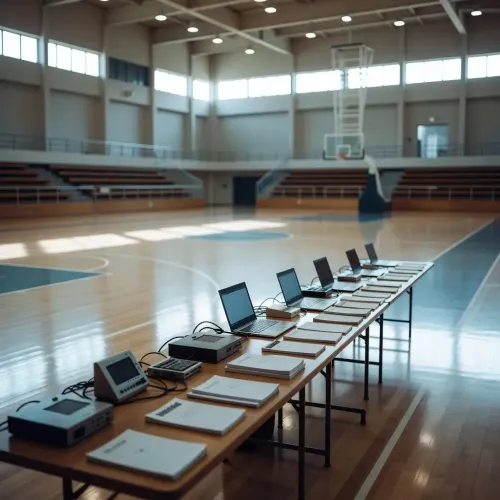
The 3-day Capacity Building Workshop on Applied Sports Science opened on August 3, 2026 at Dayanand Bandodkar Krida Sankul Indoor Stadium, Peddem, Mapusa .
Organised by the Directorate of Sports & Youth Affairs and the Sports Authority of Goa under the theme 'Bridging Science and Sports.' Modules include modern training methodologies, nutrition, biomechanics, injury prevention, and athlete welfare for coaches and PE teachers.
CM Sawant called for expanding such programmes to the taluka level to broaden access across Goa.
The workshop links sporting culture to the national Nasha Mukt Bharat goal through healthy lifestyle promotion.
Sports and Culture Minister Ramesh Tawadkar was present at the inauguration.
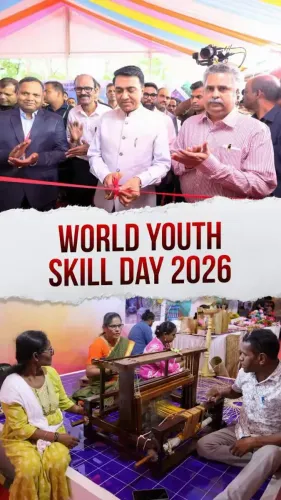
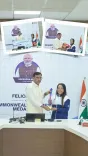
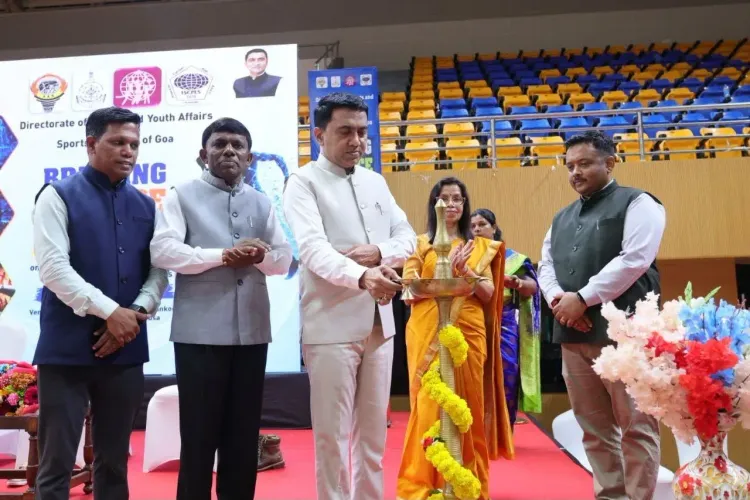
A three-day workshop that puts biomechanics, nutrition, and injury prevention in the hands of Goa's coaches and physical education teachers opened on Monday, August 3, 2026, at the Dayanand Bandodkar Krida Sankul Indoor Stadium, Peddem, Mapusa — and Goa Chief Minister Pramod Sawant was there to inaugurate it himself.
What the workshop puts on the table
Organised jointly by the Directorate of Sports & Youth Affairs and the Sports Authority of Goa, the programme runs under the theme 'Bridging Science and Sports' — a deliberate signal that instinct-based coaching is giving way to evidence-based practice. Modules cover modern training methodologies, nutrition science, biomechanics, injury prevention, and athlete welfare. The target audience is not elite athletes but the people who shape them: coaches and PE teachers working at the ground level.
Sports and Culture Minister Ramesh Tawadkar was present at the inauguration. The Dayanand Bandodkar Krida Sankul — named after Goa's first Chief Minister — lent the occasion an added layer of institutional weight, connecting the state's sporting history to its forward ambitions.
Sawant's push to take it to every taluka
CM Sawant did not stop at inaugurating the event. He urged organisers to expand such capacity-building programmes to the taluka level, arguing that restricting access to a single venue defeats the purpose of grassroots development. That call mirrors a broader decentralisation trend visible across welfare and education delivery in Indian states — the idea that impact scales only when it reaches the block, not just the district headquarters.
Sawant also drew a direct line between fit, scientifically coached athletes and the national goal of a Nasha Mukt Bharat — a drug-free India — framing healthy lifestyles and sporting culture as two sides of the same coin. Physical education teachers, he said, are central to that mission.
Goa's sporting ecosystem: incremental but deliberate
Goa has been building its sports infrastructure steadily, and this workshop fits a pattern of incremental, science-backed upgrades rather than headline-grabbing one-off events. The state's approach — investing in human resources alongside physical infrastructure — aligns with the spirit of India's national sports policy framework, which has long emphasised coaching standards and grassroots participation as the foundation of competitive success.
The next test is whether the taluka-level expansion Sawant called for actually materialises, and whether any of this work connects to central funding pipelines like the Khelo India programme. For now, Goa's coaches and PE teachers walk away from Mapusa with tools their predecessors never had. Whether that translates into podium finishes at national competitions is the question the state will have to answer over the next few years.
Point of View
Ahead of what are likely competitive electoral cycles. The 'Swayampurna Goa' framing — self-reliant Goa — also ties sports development into the BJP's broader self-sufficiency narrative, suggesting this is as much a brand exercise as a policy one. Whether central Khelo India linkages follow will determine if the ambition outlasts the inauguration.
NationPress
3 Aug 2026
Frequently Asked Questions
What is the sports science workshop inaugurated by CM Sawant in Goa?
It is a 3-day Capacity Building Workshop on Applied Sports Science for Coaches and Physical Education Teachers, inaugurated on August 3, 2026, at the Dayanand Bandodkar Krida Sankul Indoor Stadium in Peddem, Mapusa, organised under the theme 'Bridging Science and Sports.'
What topics are covered in Goa's sports science workshop?
The workshop covers modern training methodologies, nutrition science, biomechanics, injury prevention, and athlete welfare, aimed at equipping coaches and PE teachers with evidence-based tools.
Who organised the sports science workshop in Mapusa?
The Directorate of Sports & Youth Affairs and the Sports Authority of Goa jointly organised the workshop, with Sports and Culture Minister Ramesh Tawadkar present at the inauguration.
Will Goa expand sports coaching workshops to talukas?
CM Pramod Sawant urged organisers to expand such capacity-building programmes to the taluka level to ensure greater access and participation across the state, though specific timelines have not been confirmed.
What is Swayampurna Goa and how does it relate to sports?
'Swayampurna Goa' means a self-reliant Goa — a development vision invoked by CM Sawant to frame investment in sports infrastructure, scientific coaching, and human resource development as part of building a stronger, more self-sufficient state.