Kishan Reddy: Govt cuts 19 kg commercial LPG price by ₹192
Synopsis
The Modi government has reduced the 19 kg commercial LPG cylinder price by ₹192, the second straight monthly cut after a ₹183 reduction in July 2026. Union Minister G. Kishan Reddy said the move shields hotels, restaurants, and cloud kitchens from rising global energy costs amid West Asia tensions.
Key Takeaways
The 19 kg commercial LPG cylinder price has been cut by ₹192 effective August 3, 2026 .
This follows a ₹183 reduction in July 2026 , making it the second consecutive monthly cut.
Combined, the two cuts reduce the per-cylinder cost by more than ₹375 within a single quarter.
Primary beneficiaries include hotels, restaurants, catering services, and cloud kitchens .
The government cited West Asia geopolitical tensions and global crude oil volatility as the challenging backdrop against which the cut was delivered.
Kishan Reddy attributed the decision to PM Modi's commitment to economic stability and public welfare.
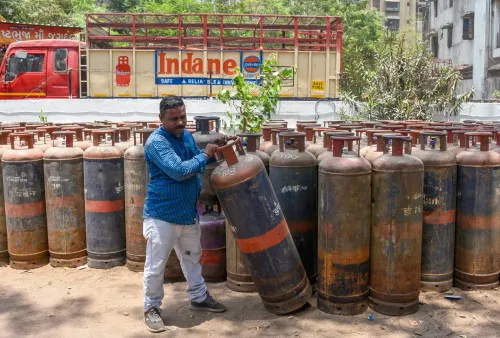
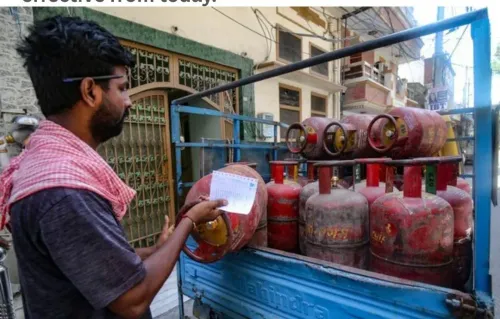
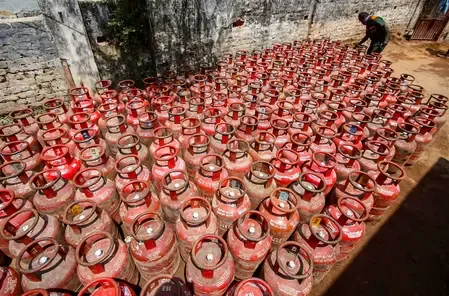
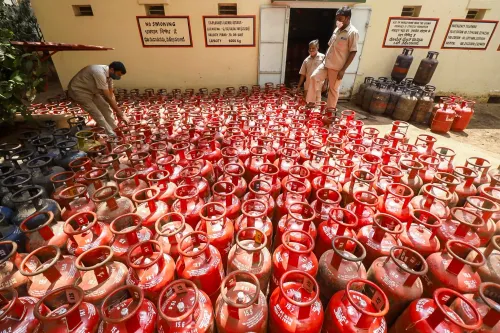
Two cuts in two months. The Modi government has slashed the price of the 19 kg commercial LPG cylinder by ₹192, delivering back-to-back relief to India's hospitality and food-service sectors even as global energy markets remain unsettled by West Asia geopolitical tensions. Union Coal and Mines Minister G. Kishan Reddy announced the move on Monday, August 3, 2026, crediting the reduction to the government's commitment to economic stability and public welfare.
Back-to-back cuts: ₹183 in July, ₹192 now
This is the second consecutive price rollback on commercial LPG. A ₹183 reduction in July 2026 had already offered some breathing room; the fresh ₹192 cut deepens that relief. Together, the two revisions have shaved more than ₹375 off the per-cylinder cost for commercial users within the span of a single quarter — a meaningful dent in operating expenses for businesses that run on gas-fired kitchens.
Public sector oil marketing companies periodically revise commercial LPG prices in line with international crude benchmarks and import costs. The back-to-back reductions suggest a sustained softening in input costs that the government has chosen to pass through rather than absorb into margins.
Hotels, cloud kitchens, caterers: who pockets the saving
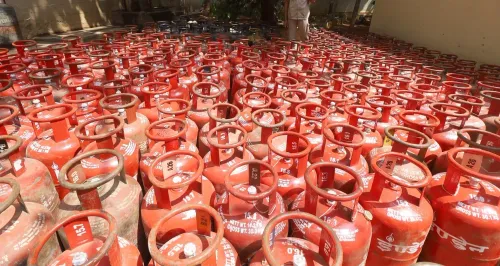
The 19 kg commercial cylinder is the workhorse of India's food-service economy — powering hotel kitchens, roadside dhabas, catering operations, and the fast-growing cloud-kitchen segment. Each ₹192 drop per cylinder compounds quickly for high-volume users who may burn through dozens of cylinders a week. For a mid-sized restaurant refilling 30 cylinders a month, the saving translates to nearly ₹5,760 monthly — real money in an industry where margins are thin and energy is a top-three cost line.
Kishan Reddy specifically named hotels, restaurants, catering services, and cloud kitchens as the primary beneficiaries, framing the cut as targeted support for the hospitality and service sectors.
Holding the line while global crude swings
The backdrop matters. Energy markets have been rattled by ongoing geopolitical tensions in West Asia, keeping crude oil price trajectories uncertain. Indian governments have historically faced a difficult choice in such environments: absorb the shock through subsidies, pass it to consumers, or wait. The current administration's decision to push through a second consecutive commercial LPG cut signals a deliberate policy posture — prioritising business cost stability over short-term fiscal caution.
The next test will come at the following monthly revision by oil marketing companies, and any related debate when Parliament reconvenes. If crude prices spike sharply, sustaining this trajectory of cuts will require either a fiscal buffer or a recalibration of policy.
For now, the message from New Delhi is unambiguous: the fuel burden of running a commercial kitchen in India just got lighter — twice over.
Point of View
Sector-specific relief that directly reaches a large, vocal constituency of small and medium hospitality businesses. Politically, the timing is notable: delivering two consecutive cuts while global crude remains volatile allows the government to claim both fiscal prudence and consumer sensitivity. The framing by a senior minister — rather than an oil ministry technocrat — signals the party wants ownership of this narrative. The real policy question is durability: if crude prices reverse, sustaining the downward trajectory will force a harder choice between fiscal headroom and the relief momentum now being built.
NationPress
3 Aug 2026
Frequently Asked Questions
By how much has the 19 kg commercial LPG price been reduced in August 2026?
The price of the 19 kg commercial LPG cylinder has been reduced by ₹192 in August 2026, according to an announcement by Union Minister G. Kishan Reddy on August 3, 2026.
Was there a commercial LPG price cut before August 2026?
Yes. The government had already reduced the 19 kg commercial LPG cylinder price by ₹183 in July 2026 , making the August cut the second consecutive monthly reduction.
Who benefits from the commercial LPG price cut?
The primary beneficiaries are hotels, restaurants, catering services, cloud kitchens , and other commercial LPG users, all of whom will see lower fuel-related operating costs.
Why is the government cutting LPG prices despite global crude oil volatility?
The government has stated it is committed to shielding businesses and consumers from the burden of rising global fuel costs, even amid geopolitical tensions in West Asia that have kept international energy markets volatile.
Who announced the commercial LPG price cut?
Union Coal and Mines Minister G. Kishan Reddy , who is also the BJP's Telangana state president, announced the price reduction on August 3, 2026, attributing it to Prime Minister Narendra Modi's leadership.