Kishan Reddy: India lifts fuel restrictions from July 1
Synopsis
Union Coal and Mines Minister G. Kishan Reddy announced on July 1, 2026 that India is lifting crisis-era fuel restrictions, including the 200-litre daily diesel cap, and cutting commercial LPG cylinder prices by ₹183, crediting PM Modi's management of the global energy crisis.
Key Takeaways
The 200-litre per day cap on bulk High-Speed Diesel procurement from fuel stations has been removed effective July 1, 2026 .
Large industrial and commercial consumers can now purchase fuel from any outlet , not just designated consumer pumps.
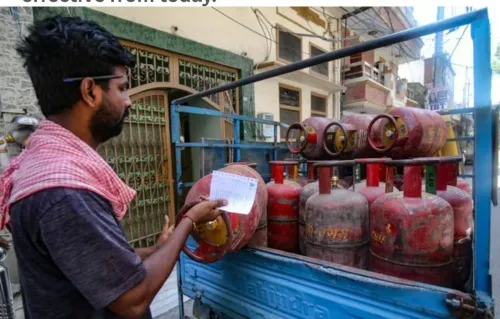
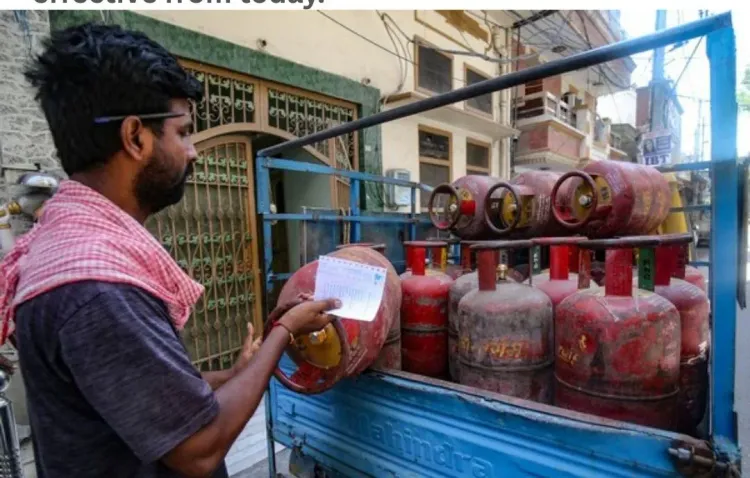
The price of a 19-kg commercial LPG cylinder has been cut by up to ₹183 , benefiting hotels, restaurants, and businesses.
Domestic LPG cylinder supply has returned to pre-crisis levels , according to the minister.
The restrictions were originally introduced during the global energy supply crunch linked to the Russia-Ukraine war and subsequent West Asia disruptions.
Minister Kishan Reddy directly rebutted Rahul Gandhi's predictions of fuel shortages and economic collapse, calling them attempts to create panic.
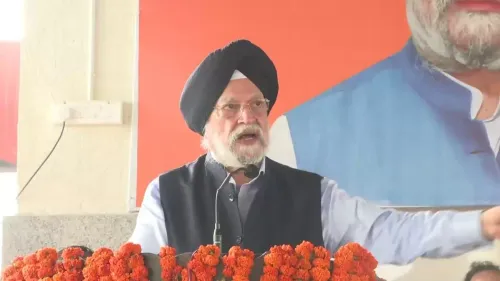
Union Coal and Mines Minister G. Kishan Reddy on Wednesday, July 1, 2026, announced that the Government of India is lifting restrictions on fuel procurement effective immediately, citing an improvement in global energy supply conditions. The minister credited Prime Minister Narendra Modi with shielding citizens from the worst of the global energy crisis and directly countered recent remarks by Leader of the Opposition Rahul Gandhi.
Context
In a detailed post on X, Kishan Reddy stated that the government is removing the 200-litre per day cap on procurement of High-Speed Diesel (HSD) from fuel stations, a restriction introduced at the peak of a global energy supply crunch. Large industrial and commercial consumers, who were previously required to purchase from designated consumer pumps, will now be free to buy fuel from any outlet. The minister also noted that the supply of domestic LPG cylinders has returned to pre-crisis levels.
Additionally, the price of a 19-kg commercial LPG cylinder has been reduced by up to ₹183, a move the minister said would directly benefit businesses, hotels, and restaurants across the country. He expressed gratitude to Prime Minister Modi on behalf of the people of Telangana.
Policy Backdrop
The temporary controls on bulk diesel procurement and LPG supply were introduced following the disruption to global energy markets triggered by the Russia-Ukraine war beginning in February 2022, which caused sharp spikes in international oil and gas prices. India, heavily dependent on imported crude, deployed administrative measures to prioritise household fuel access and stabilise retail prices. Such temporary controls have precedent in Indian energy policy, having been used during periods of oil price volatility in 2018-2020 as well.
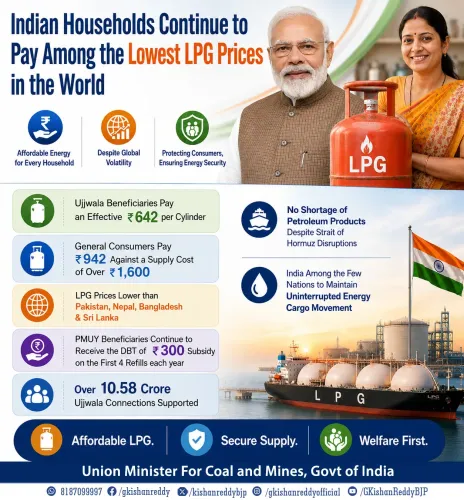
Kishan Reddy also referenced disruptions in the Strait of Hormuz, the strategic maritime chokepoint through which a significant share of global oil exports pass, stating that India's energy needs remained secure despite the route being affected. He asserted that not a single petrol pump ran out of fuel and no household was left without an LPG cylinder during the crisis period. The minister further claimed that the price of a 14.2-kg domestic LPG cylinder was held at around ₹900 even when the equivalent international price stood at approximately ₹1,600.
Stakeholders and Impact
The rollback of the 200-litre daily diesel cap is expected to ease operational constraints for industries, construction companies, logistics firms, and large agricultural operations that rely on bulk diesel purchases. The removal of the designated consumer pump requirement adds supply-chain flexibility for large commercial buyers. For the hospitality sector — hotels, restaurants, and catering businesses — the reduction in the 19-kg commercial LPG cylinder price by up to ₹183 offers direct cost relief.
Domestic consumers are also expected to benefit from the normalisation of LPG cylinder supply chains, reducing the wait times and rationing that characterised the crisis period. Kishan Reddy framed the entire episode as a demonstration of the government's capacity to manage external shocks while protecting the most vulnerable sections of society.
Political Dimension
A significant portion of the minister's post was directed at Rahul Gandhi, who last month reportedly warned of an 'economic tsunami' and predicted that citizens would stand in queues at petrol pumps and struggle to access LPG cylinders. Kishan Reddy characterised these statements as an attempt to 'create panic among the people and investors' and alleged that Gandhi 'was hoping India would fail.' The minister contrasted those predictions with what he described as the government's actual track record — no fuel shortages, stable domestic cylinder prices, and a timely removal of restrictions once conditions improved.
The announcement comes ahead of what is expected to be a contentious monsoon session of Parliament, where opposition parties are likely to scrutinise energy pricing and supply management decisions in detail.
What's Next
Formal notifications from the Ministry of Petroleum and Natural Gas on revised dealer licensing norms and any further revisions to commercial LPG pricing are anticipated in the coming weeks. Parliament's monsoon session is also expected to see opposition questions on the government's energy management record and the basis for the rollback timeline. Any further easing of fuel-sector regulations will be closely watched by industry bodies and domestic consumers alike.
Point of View
The BJP is pre-empting opposition attacks ahead of the monsoon session of Parliament. Kishan Reddy's pointed rebuttal of Rahul Gandhi's 'economic tsunami' remarks signals that energy management will be a central battleground in the coming weeks. The move also fits a well-established pattern in Indian energy policy — using temporary administrative controls to absorb external price shocks and then publicising their removal as a policy success. Whether the opposition can shift the narrative to questions of pricing transparency and the pace of relief will determine how this episode plays out in the public discourse.
NationPress
30 Sept 2026
Frequently Asked Questions
What fuel restrictions has India removed from July 1 2026?
The Government of India has removed the 200-litre per day cap on bulk High-Speed Diesel procurement from fuel stations and has also lifted the requirement for large consumers to buy fuel only from designated consumer pumps, effective July 1, 2026.
By how much has the 19-kg LPG cylinder price been reduced?
The price of a 19-kg commercial LPG cylinder has been reduced by up to ₹183, providing relief to businesses, hotels, and restaurants.
Why did India introduce restrictions on diesel and LPG in the first place?
The restrictions were introduced during a global energy supply crunch — worsened by the Russia-Ukraine war and disruptions in the Strait of Hormuz — to ensure that common citizens and vulnerable households had adequate access to petrol, diesel, and LPG cylinders.
What did Rahul Gandhi say about India's fuel supply that Kishan Reddy is responding to?
Last month, Leader of the Opposition Rahul Gandhi reportedly warned of an 'economic tsunami' and predicted citizens would queue at petrol pumps and struggle to get LPG cylinders. Minister Kishan Reddy said these claims were attempts to create panic and have been proven wrong by the government's track record.
What is the current price of a 14.2-kg domestic LPG cylinder in India?
According to Minister Kishan Reddy's post, the 14.2-kg domestic LPG cylinder was made available at around ₹900 even during the crisis period when the equivalent international price was approximately ₹1,600. NationPress has not independently verified the current retail price.