CM Sawant Takes Sarkar Tumchya Dari to Pernem Under Seva Sankalp Abhiyan
Synopsis
Goa Chief Minister Pramod Sawant held a Sarkar Tumchya Dari outreach camp at Sant Sohirobanath Ambiye College in Pernem on 17 October 2026 under the Seva Sankalp Abhiyan, directly hearing citizen grievances and directing departmental heads to act promptly on public welfare concerns.
Key Takeaways
Goa CM Pramod Sawant personally attended the Sarkar Tumchya Dari camp in Pernem on 17 October 2026 .
The event was held at Sant Sohirobanath Ambiye College , a prominent public venue in Goa's northernmost taluka.
The camp operates under the Seva Sankalp Abhiyan , the state's structured citizen grievance and service-delivery outreach programme.
Sawant directed department heads on-site to ensure timely, prioritised responses to public complaints.
Goa has run similar Sarkar Tumchya Dari camps across talukas since at least 2019 , rotating coverage to underserved areas.
Pernem's rural and tribal demographic makes direct government access particularly significant for residents.
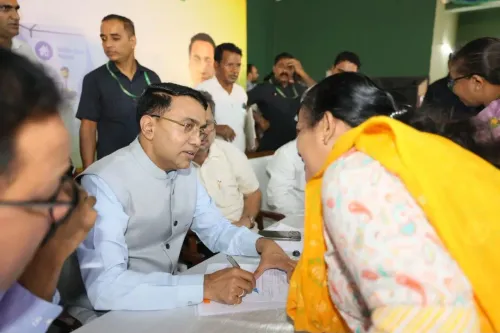
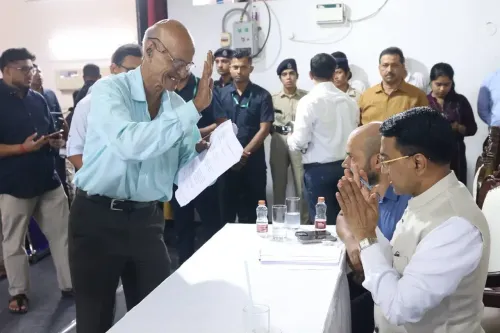
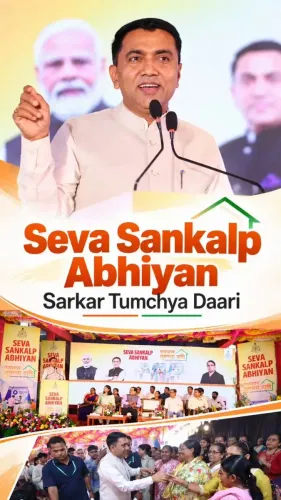
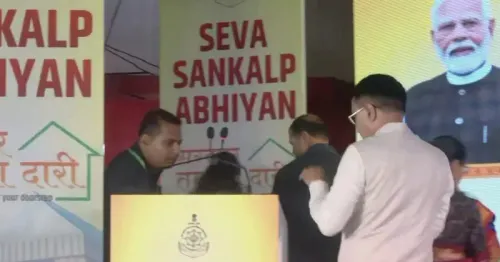
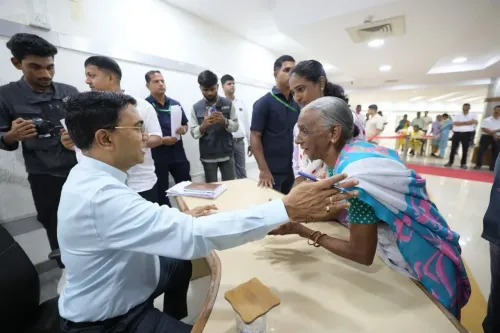
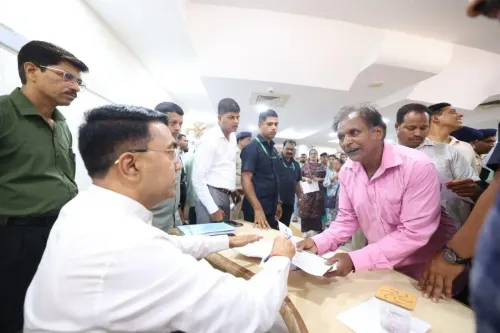
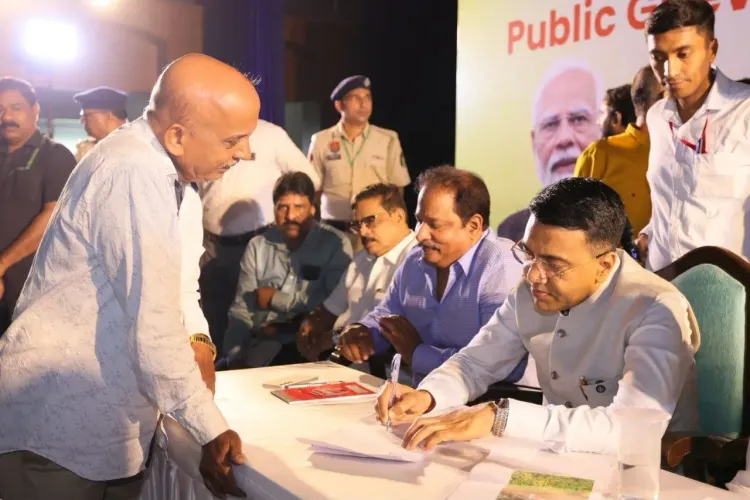
Government did not wait for citizens to come to it — Goa Chief Minister Pramod Sawant brought it to them. On Saturday, 17 October 2026, Sawant visited Sant Sohirobanath Ambiye College in Pernem, Goa's northernmost taluka, to personally hear public grievances under the Sarkar Tumchya Dari ('Government at Your Doorstep') initiative, part of the broader Seva Sankalp Abhiyan.
Pernem residents put their grievances on the table
Sawant interacted directly with citizens assembled at the college campus, listening to complaints and service-delivery concerns that often get lost in the churn of district offices. He then directed the relevant departmental heads on the spot to initiate prompt resolution — cutting the usual bureaucratic distance between a filed complaint and an official response.
Pernem is a predominantly rural taluka with a significant tribal and agricultural population, making access to government services a persistent challenge. Holding the camp at a well-known public institution like Sant Sohirobanath Ambiye College ensured a familiar, accessible venue for residents across the taluka.
What Seva Sankalp Abhiyan is designed to do
The Seva Sankalp Abhiyan is the Goa government's structured framework for citizen grievance redressal through direct, on-site outreach. The state has run Sarkar Tumchya Dari-style events across talukas since at least 2019, rotating the programme through different constituencies to widen reach. The model places senior officials — and in this case the Chief Minister himself — in the field rather than behind desks, applying pressure for accountability in real time.
Sawant instructed department heads to prioritise public welfare, ensure timely responses, and strengthen service delivery — language that signals the camp was not merely ceremonial but carried administrative directives with it.
A pattern replicated across BJP-governed states
Chief minister-led grievance camps have become a recognisable feature of BJP state administrations across India, framed as a counter to the perception that governments are remote and slow. For Sawant, who has held the Chief Minister's office since 2019, these field visits serve a dual purpose: gathering ground-level intelligence on departmental performance and projecting direct accessibility to voters in smaller, often underserved talukas like Pernem. The next test will be whether follow-up action on the grievances logged today translates into measurable outcomes — or whether the files simply travel back to the same desks.
Point of View
Field-level outreach designed to signal administrative responsiveness — particularly useful in smaller, rural constituencies that feel distant from state capitals. For Sawant, who has anchored his political identity on accessible governance since taking office in 2019, rotating these camps through talukas like Pernem is both a policy tool and an electoral signal. The real measure of the initiative, however, lies not in the camp itself but in the audit trail of resolutions that follows — a metric that remains difficult to verify from public disclosures. If Goa systematises follow-up reporting from these events, it could become a genuine model; if not, the camps risk becoming high-visibility rituals with limited administrative impact.
NationPress
17 Oct 2026
Frequently Asked Questions
What is the Seva Sankalp Abhiyan in Goa?
The Seva Sankalp Abhiyan is a Goa government initiative for citizen grievance redressal and improved service delivery, involving on-site outreach camps where officials and the Chief Minister directly interact with residents across different talukas.
What is Sarkar Tumchya Dari?
'Sarkar Tumchya Dari' means 'Government at Your Doorstep' in Marathi/Konkani and refers to the Goa government's programme of taking administrative services and grievance hearings directly to citizens in their local areas rather than requiring them to visit offices.
Where did CM Pramod Sawant hold the grievance camp on 17 October 2026?
CM Sawant held the camp at Sant Sohirobanath Ambiye College in Pernem, the northernmost taluka of Goa.
What did Pramod Sawant direct officials to do at the Pernem camp?
Sawant directed departmental heads to prioritise public welfare, ensure timely responses to citizen grievances, and strengthen the overall delivery of government services.
How long has Goa been running Government at Your Doorstep camps?
Goa has conducted Sarkar Tumchya Dari-style outreach events across talukas since at least 2019, rotating the programme to reach citizens in different parts of the state.