CM Sawant Witnesses GIPARD-ShivYog MoU for Govt Employee Wellness
Synopsis
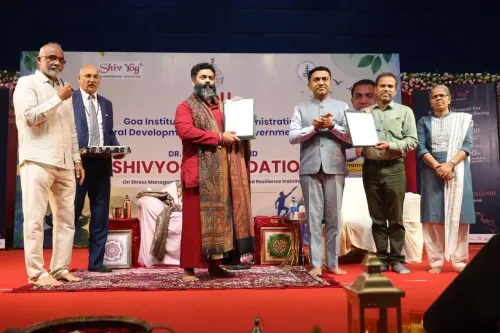
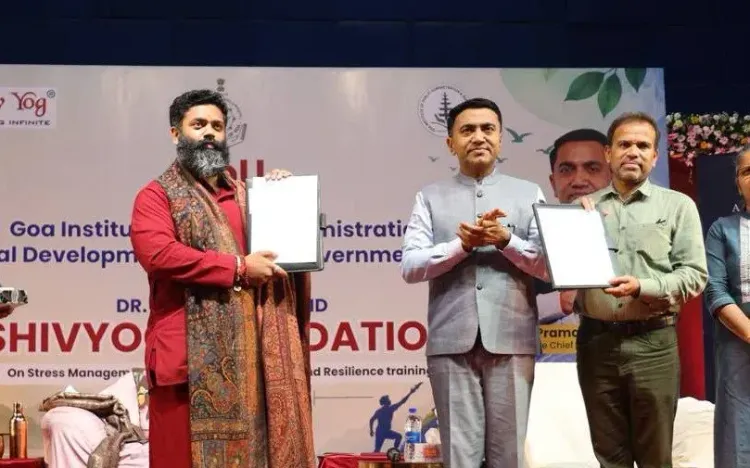
Goa CM Pramod Sawant witnessed the signing of a zero-cost MoU between GIPARD and the ShivYog Foundation on July 30, 2026, to deliver meditation, mindfulness, and stress-management programmes to government employees, students, and the public under the Swayampurna Goa framework.
Key Takeaways
Goa CM Pramod Sawant witnessed the GIPARD-ShivYog Foundation MoU signing on July 30, 2026 .
The collaboration carries no financial implication for the Goa government.
Programmes will cover meditation, mindfulness, stress management, and emotional well-being for government employees, students, and the wider community.
The initiative is linked to the national Nasha Mukt Bharat Abhiyan (launched 2020 ) and the state's Swayampurna Goa scheme.
GIPARD is Goa's primary state training institute for government officials and rural development functionaries.
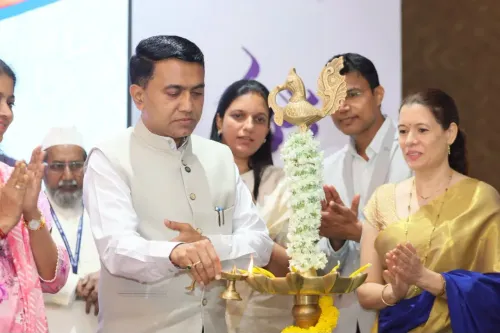
Goa is betting that healthier minds make better public servants. Goa Chief Minister Pramod Sawant on Thursday, July 30, 2026, witnessed the signing of a Memorandum of Understanding between the Goa Institute of Public Administration and Rural Development (GIPARD) and the ShivYog Foundation, launching a structured wellness initiative targeting government employees, students, and the broader community — at zero cost to the state exchequer.
What GIPARD and ShivYog will actually do together
Under the MoU, the two organisations will roll out structured programmes covering meditation, mindfulness, stress management, and emotional well-being. The ShivYog Foundation, which focuses on holistic wellness and contemplative practices, brings the programme content; GIPARD — the state's primary capacity-building body for government officials and rural development functionaries — provides the institutional reach. The collaboration carries no financial implication for the Goa government, a detail Sawant highlighted explicitly.
Sawant framed the initiative in governance terms: 'Mental wellness is fundamental to effective governance, and emotionally resilient public servants are better equipped to serve citizens with compassion, efficiency, and integrity.' The argument is straightforward — a stressed bureaucrat is a less effective one.
Where this fits in Goa's wider preventive health push
The GIPARD-ShivYog tie-up is being positioned as a complement to the Nasha Mukt Bharat Abhiyan, the national anti-drug campaign launched in 2020 by the Ministry of Social Justice and Empowerment. That campaign targets substance abuse through awareness and prevention; the new MoU extends the preventive logic inward — to mental and emotional health before crises develop.
It also feeds into Swayampurna Goa, the state's self-reliance initiative built around integrated governance and community empowerment. Sawant's framing — 'good governance strengthened by healthy minds, empowered youth, and a compassionate society' — ties individual wellness directly to the state's development ambitions.
A pattern taking hold across Indian states
Goa is not moving in isolation. Several Indian states have begun weaving mental health and wellness modules into public administration training over recent years, recognising that service delivery quality is partly a function of the emotional bandwidth of those delivering it. The zero-cost model — leveraging a foundation's expertise rather than creating a new government programme — is a replicable template other states have also explored.
The real test will come in the rollout: how many government employees actually participate, how consistently the programmes run, and whether structured mindfulness training translates into measurable improvements in workplace resilience. Those numbers are still to come.
A state that trains its officials to manage stress is making a quiet, unglamorous bet — but often a durable one.
Point of View
Sawant avoids creating a standalone programme that could be dismissed as peripheral. The zero-cost structure is politically smart: it delivers a visible wellness commitment without drawing scrutiny over public spending. Whether structured meditation programmes for bureaucrats produce measurable service-delivery gains remains the harder, longer question.
NationPress
30 Jul 2026
Frequently Asked Questions
What is the GIPARD-ShivYog Foundation MoU about?
The MoU signed on July 30, 2026, commits GIPARD and the ShivYog Foundation to deliver structured programmes on meditation, mindfulness, stress management, and emotional well-being to Goa government employees, students, and the general public at no cost to the state government.
What is GIPARD in Goa?
GIPARD stands for the Goa Institute of Public Administration and Rural Development. It is the state's primary training and capacity-building institution for government officials and rural development functionaries.
What is the ShivYog Foundation?
The ShivYog Foundation is an organisation focused on meditation, mindfulness, and holistic wellness practices. Under this MoU, it will provide programme content and expertise for the Goa government wellness initiative.
How does this MoU connect to Nasha Mukt Bharat Abhiyan?
CM Sawant positioned the wellness MoU as complementing the Nasha Mukt Bharat Abhiyan, the national anti-drug awareness campaign launched in 2020, by extending preventive health efforts to include mental and emotional resilience alongside substance-abuse awareness.
What is Swayampurna Goa?
Swayampurna Goa is a state initiative under CM Pramod Sawant aimed at achieving self-reliance through integrated governance and community empowerment. The wellness MoU is framed as one component of this broader programme.