CM Bhajan Lal Sharma Pays Tribute to Sardar Patel on Rashtriya Ekta Diwas
Synopsis
Rajasthan Chief Minister Bhajan Lal Sharma marked Rashtriya Ekta Diwas on 31 October 2026 by honouring Sardar Vallabhbhai Patel, crediting the Iron Man's integration of over 560 princely states as the bedrock of a united India and urging citizens to pledge solidarity.
Key Takeaways
Rashtriya Ekta Diwas is observed annually on 31 October , Sardar Patel's birth anniversary, since 2014 .
Sardar Patel integrated more than 560 princely states into India between 1947 and 1950 as Deputy PM and Home Minister.
Rajasthan itself was formed from the merger of 19 former princely states under Patel's coordination.
CM Bhajan Lal Sharma invoked the 'Ek Bharat, Sashakt Bharat' framework in his tribute.
Sharma called for a collective public pledge to preserve India's unity, sovereignty, and social harmony.
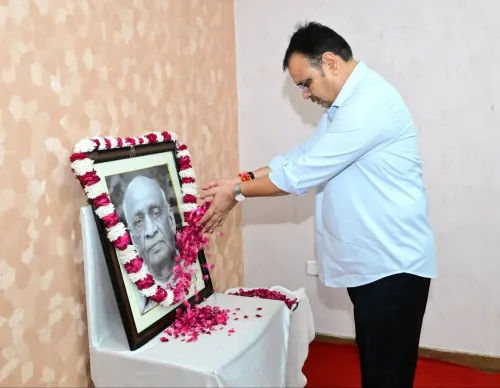
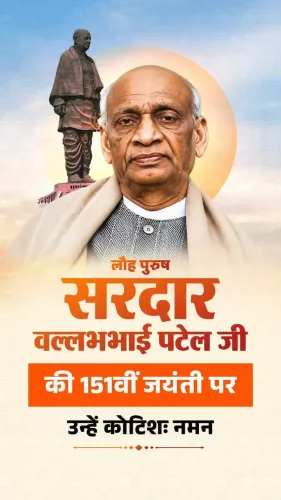
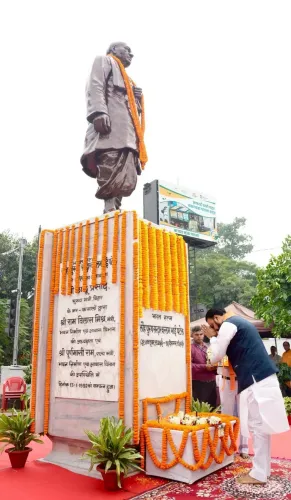
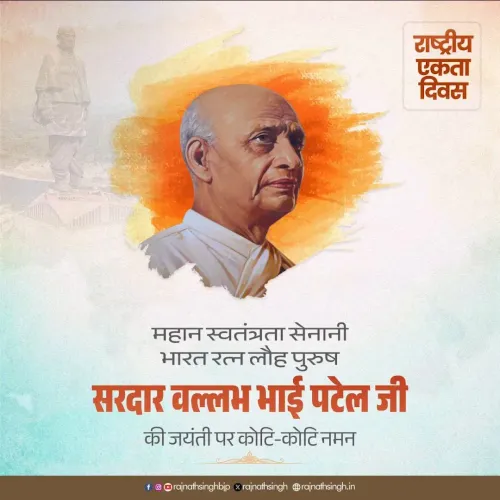
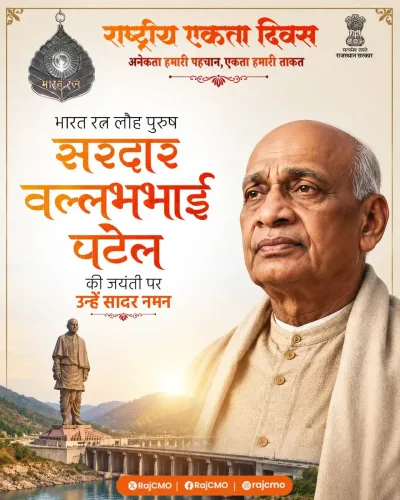
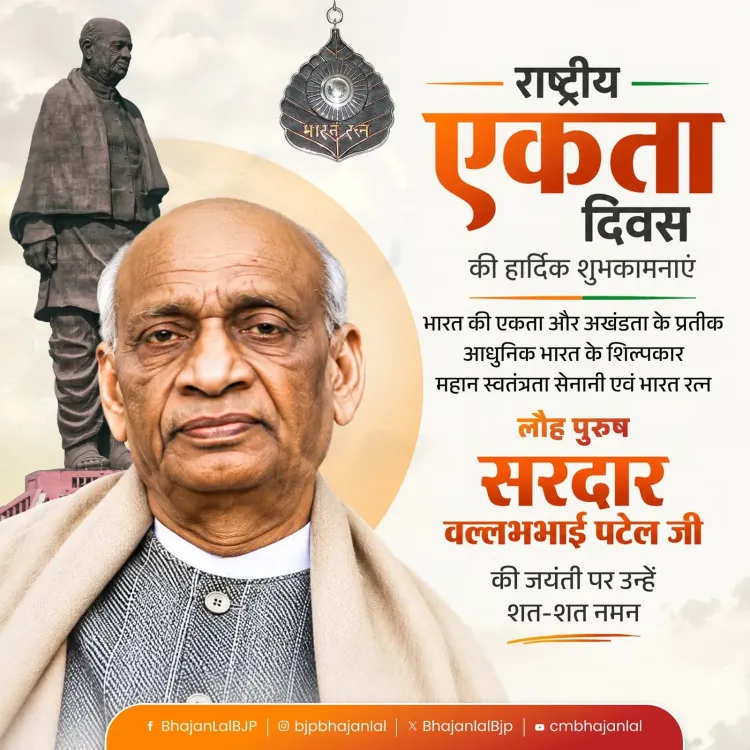
On the 150th birth anniversary of Sardar Vallabhbhai Patel, Rajasthan Chief Minister Bhajan Lal Sharma on Saturday, 31 October 2026 offered a heartfelt tribute to the architect of independent India's territorial unity — invoking the 'Iron Man's' legacy as a living call to national purpose.
In his post, CM Sharma wrote: 'रियासतों के ऐतिहासिक एकीकरण से अखंड भारत की मजबूत नींव रखने वाले महान स्वतंत्रता सेनानी' — 'the great freedom fighter who laid a strong foundation for an undivided India through the historic integration of princely states.' He extended greetings to all residents of Rajasthan on Rashtriya Ekta Diwas (National Unity Day) and called on citizens to take a collective pledge to preserve the country's unity, sovereignty, and harmony.
The man who stitched a nation together
Sardar Patel's achievement stands as one of modern history's most consequential acts of statecraft. As India's first Deputy Prime Minister and Home Minister, he oversaw the accession of more than 560 princely states into the Indian Union between 1947 and 1950 — a task that transformed a patchwork of feudal territories into a single sovereign republic. CM Sharma's tribute explicitly credits this work as the foundation of 'Akhand Bharat' — a united, indivisible India — and positions Patel's 'patriotism, indomitable courage, and far-sighted leadership' as an enduring source of national inspiration.
Rashtriya Ekta Diwas and the 'Ek Bharat' framework
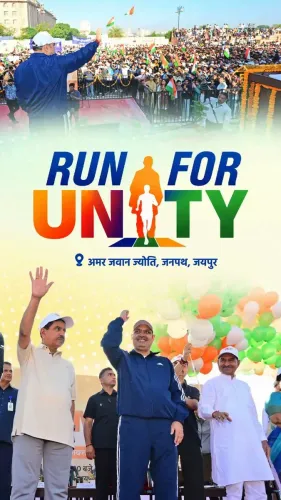
National Unity Day has been observed every 31 October since 2014, when the Government of India formally instituted the commemoration on Patel's birth anniversary. The day typically sees unity-pledge ceremonies, administrative programmes, and 'Run for Unity' events across states. CM Sharma's invocation of 'Ek Bharat, Sashakt Bharat' — 'One India, Empowered India' — directly echoes the central government's integration-and-cohesion framework that has framed public discourse on federalism and national identity since that year.
For Rajasthan, the resonance runs deeper than ceremonial. The state itself was constituted through the merger of 19 former princely states and chiefships — a process Patel's ministry coordinated between 1948 and 1950, making it one of the most complex integration exercises in the entire country.
Sharma urged citizens to take a collective resolve — 'देश की एकता, संप्रभुता और सौहार्द को अक्षुण्ण रखने का सामूहिक संकल्प' — 'a collective commitment to keep the nation's unity, sovereignty, and harmony inviolable.' The call lands with particular weight in a state whose very map is Patel's handiwork.
Point of View
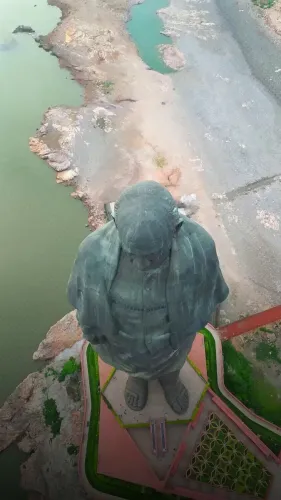
Sashakt Bharat' — the central government's signature integration framework since 2014 — Sharma signals ideological alignment with New Delhi while speaking directly to a Rajasthan audience whose state geography is itself a product of Patel's interventions. The tribute also subtly positions the BJP as the custodian of Patel's legacy, a framing the party has cultivated consistently through the Statue of Unity and annual Unity Day programming. For a state government still consolidating its footing after the December 2023 election, ceremonial moments like this serve a dual purpose: national-solidarity signalling and quiet brand reinforcement.
NationPress
31 Oct 2026
Frequently Asked Questions
What is Rashtriya Ekta Diwas and why is it observed on 31 October?
Rashtriya Ekta Diwas, or National Unity Day, is observed on 31 October every year because it marks the birth anniversary of Sardar Vallabhbhai Patel. The Government of India formally instituted it in 2014 to promote national integration and honour Patel's legacy.
How many princely states did Sardar Patel integrate into India?
Sardar Patel, as India's first Deputy Prime Minister and Home Minister, oversaw the integration of more than 560 princely states into the Indian Union between 1947 and 1950 .
What did Rajasthan CM Bhajan Lal Sharma say on National Unity Day 2026?
CM Bhajan Lal Sharma paid tribute to Sardar Patel on his birth anniversary, describing him as the architect of an undivided India, and urged all Rajasthan residents to take a collective pledge to preserve the nation's unity, sovereignty, and harmony.
What is the significance of Rashtriya Ekta Diwas for Rajasthan specifically?
Rajasthan was itself formed by the merger of 19 former princely states and chiefships between 1948 and 1950 under Sardar Patel's direct oversight, making National Unity Day especially resonant for the state.
What does 'Ek Bharat, Sashakt Bharat' mean?
'Ek Bharat, Sashakt Bharat' translates to 'One India, Empowered India.' It is a national integration framework promoted by the central government since 2014 to celebrate and strengthen India's cultural unity across states.