CM Bhajan Lal Sharma Launches ₹2,824 Cr Projects from Barmer
Synopsis
Rajasthan Chief Minister Bhajan Lal Sharma launched 1,013 public-welfare projects worth ₹2,824 crore from Barmer on September 30, targeting border districts and rural communities across the state.
Key Takeaways
1,013 development works were simultaneously launched and inaugurated across multiple Rajasthan districts on September 30, 2026 .
The combined outlay stands at ₹2,824 crore , covering a range of public-welfare infrastructure.
The event was held in Barmer , a border district in western Rajasthan adjoining Pakistan.
CM Bhajan Lal Sharma framed the push around holistic development of border districts, rural rejuvenation, and equitable reach.
The BJP government, in power since December 2023 , had flagged border and rural development as early policy priorities.
Project execution timelines and quality of completion will be the key metrics to watch in coming months.
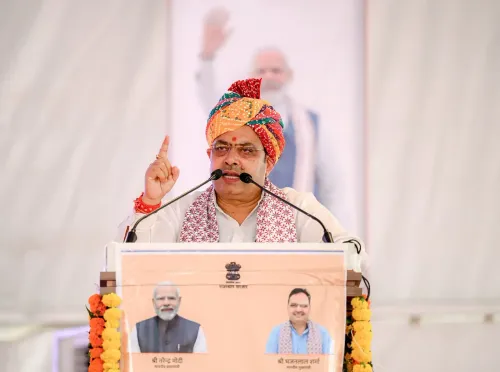
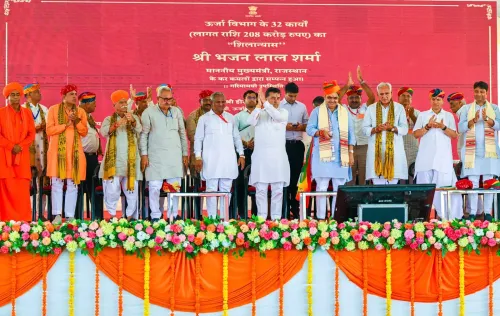
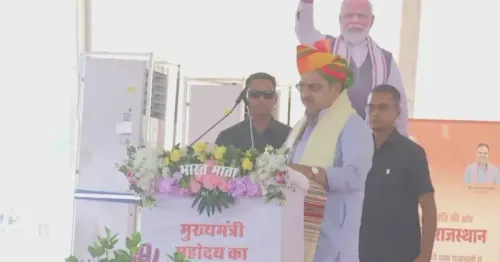
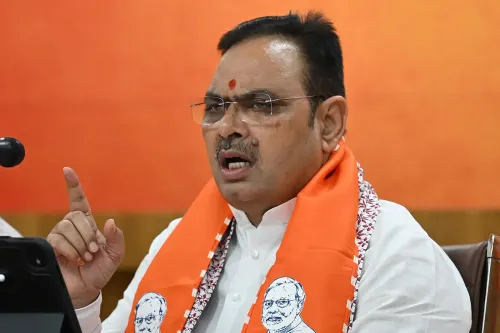
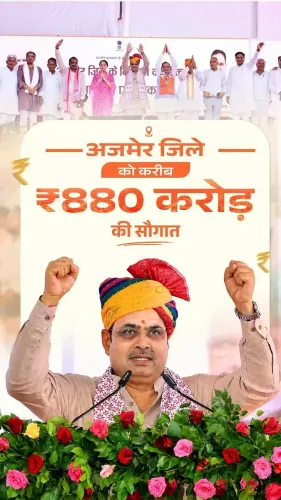
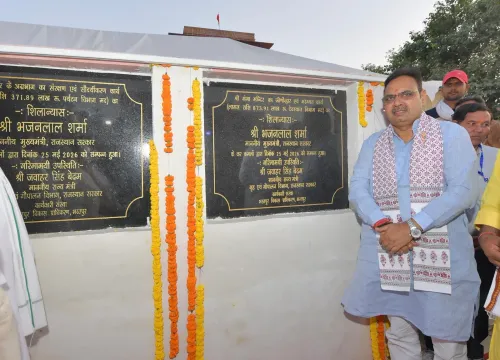
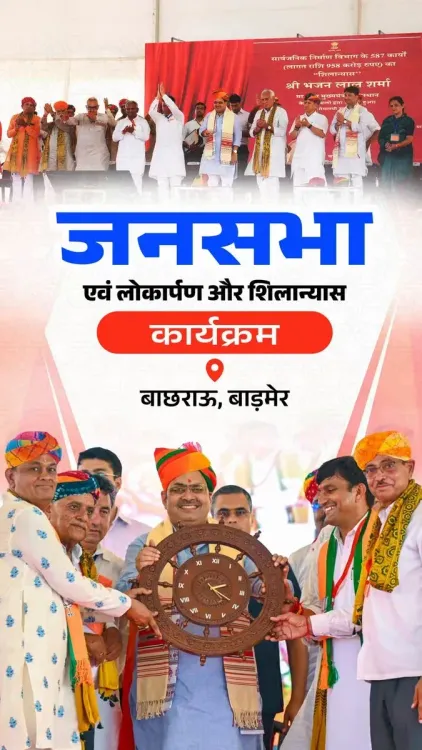
From the desert frontier of Barmer, a district that wears its identity as a land of saints and warriors on its sleeve, Rajasthan Chief Minister Bhajan Lal Sharma on Wednesday, September 30, 2026 launched and inaugurated 1,013 public-welfare development works worth ₹2,824 crore spread across multiple districts of the state.
Posting on X, CM Sharma said: 'संतों और वीरों की पावन भूमि बाड़मेर से विभिन्न जिलों में ₹2,824 करोड़ की लागत के 1,013 जनहितकारी विकास कार्यों का शिलान्यास एवं लोकार्पण किया' — ('From the sacred land of saints and warriors, Barmer, I laid the foundation and inaugurated 1,013 public-welfare development works worth ₹2,824 crore across various districts'). He added that the government remains committed to the holistic development of border districts, the rejuvenation of rural areas, and ensuring development benefits reach every corner of the state.
Barmer as the Launchpad: Why the Border Matters
Barmer is no symbolic backdrop. A western Rajasthan district that shares a boundary with Pakistan, it sits at the intersection of strategic geography and historical neglect — a region where connectivity gaps and service deficits have persisted for decades. Choosing Barmer as the venue for a multi-district project blitz is itself a statement: that the state's growth story will not be written only from Jaipur.
Rajasthan administrations across political cycles have prioritised infrastructure investment in western and border districts, recognising that remote communities near the international boundary require deliberate policy attention. The current BJP government, which came to power after the December 2023 assembly elections, flagged border districts and rural development as dual priorities from its earliest policy announcements.
Scale of the Push: 1,013 Works, One Day
The sheer volume — 1,013 projects spanning foundations laid and works inaugurated in a single event — signals an effort to demonstrate momentum across the state simultaneously. At ₹2,824 crore, the aggregate outlay points to a broad basket of works: typically a mix of road connectivity, water supply schemes, school and health infrastructure, and rural amenity projects that collectively define what 'rural rejuvenation' means on the ground.
CM Sharma's framing of the initiative as reaching 'every area of the state' underscores a deliberate political and administrative logic — preventing the concentration of development dividends in urban centres while border and hinterland communities wait.
The Rural Rejuvenation Bet
Rajasthan's vast geography — the largest state by area in India — makes equitable development inherently difficult. Western districts like Barmer, Jaisalmer, and Bikaner have historically lagged urban clusters in infrastructure indices. A programme of this scale, if executed on timeline, could meaningfully shift that balance. The real test will come in the months ahead: whether project completion rates and quality match the ambition of the announcement.
With the next state budget session likely to set fresh allocations, Tuesday's event doubles as a political signal — that the Sharma government is spending its mandate actively, and that Rajasthan's border communities are not an afterthought.
Point of View
013 projects in one announcement signals an administration trying to demonstrate scale and speed simultaneously, a rhythm that fits the mid-term phase of a state government seeking to build a delivery narrative ahead of the next electoral cycle. Whether the rural rejuvenation framing translates into durable connectivity and service improvements — or remains headline infrastructure — will determine its long-term political and policy dividend. The border-district emphasis also carries a subtle national-security subtext: development as a tool of strategic stability in frontier regions.
NationPress
1 Oct 2026
Frequently Asked Questions
What did CM Bhajan Lal Sharma launch from Barmer on September 30 2026?
CM Bhajan Lal Sharma launched and inaugurated 1,013 public-welfare development works worth ₹2,824 crore across multiple districts of Rajasthan from Barmer on September 30, 2026.
Why was Barmer chosen for the project launch?
Barmer is a strategic border district in western Rajasthan bordering Pakistan. The BJP government has prioritised border and rural districts as key development zones, making Barmer a symbolically and administratively significant venue.
How much is the total investment in Rajasthan's latest development push?
The total investment across the 1,013 projects announced on September 30, 2026 amounts to ₹2,824 crore , targeting infrastructure and public-welfare works across multiple districts.
When did Bhajan Lal Sharma become Chief Minister of Rajasthan?
Bhajan Lal Sharma became Chief Minister of Rajasthan in December 2023 after the BJP won the state assembly elections.
What is the BJP government's focus for Rajasthan's border districts?
The BJP government in Rajasthan has committed to the holistic development of border districts, rural rejuvenation, and ensuring that development benefits reach every part of the state, with Barmer serving as a focal point.