CM Bhajan Lal Sharma meets Sambal Sakhi, MY Bharat women volunteers
Synopsis
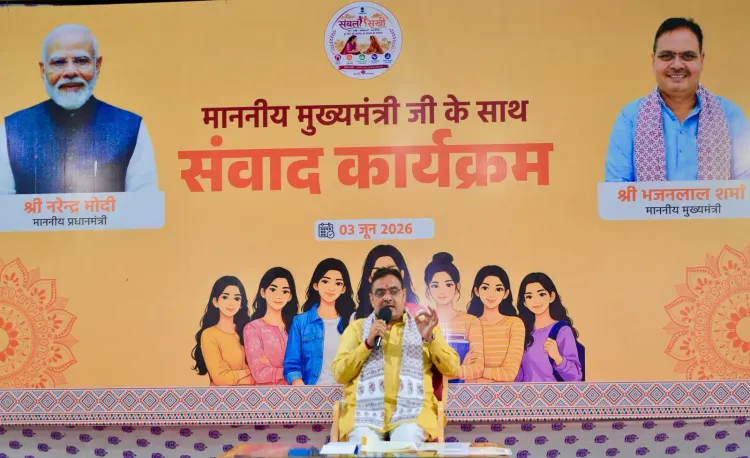
Rajasthan Chief Minister Bhajan Lal Sharma interacted with women volunteers of the state's Sambal Sakhi initiative and the national MY Bharat platform at his residence, highlighting their role in social service and skill development, and framing the engagement within PM Narendra Modi's broader push on youth and women empowerment.
Key Takeaways
CM Bhajan Lal Sharma hosted Sambal Sakhi and MY Bharat women volunteers at the CM residence in Jaipur.
He called their contributions to social service and nation-building 'extremely inspiring'.
Sharma credited PM Narendra Modi's guidance for the focus on skilling, employment and entrepreneurship.
Sambal Sakhi is a Rajasthan-level women volunteer programme; MY Bharat is a national youth platform launched in 2023.
The engagement fits a wider BJP pattern of linking state volunteer cadres with central skill schemes since 2015.
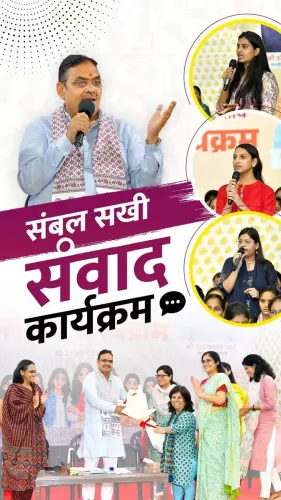
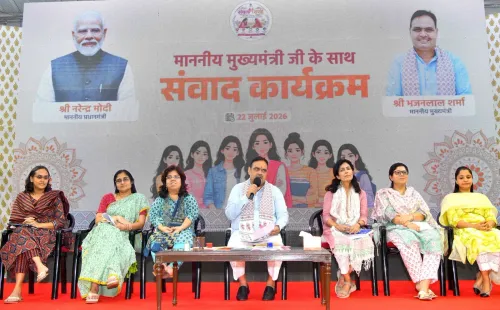
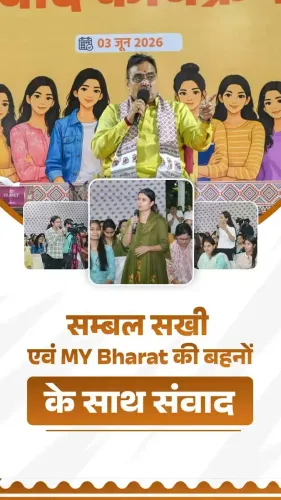
Rajasthan Chief Minister Bhajan Lal Sharma on Wednesday hosted a group of women volunteers associated with the state's 'Sambal Sakhi' initiative and the national 'MY Bharat' platform at the Chief Minister's residence in Jaipur. The interaction, shared by the Chief Minister on X, focused on the volunteers' contributions to women's empowerment, skill development and grassroots social service.
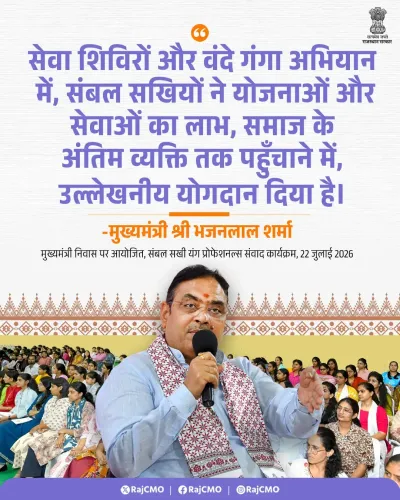
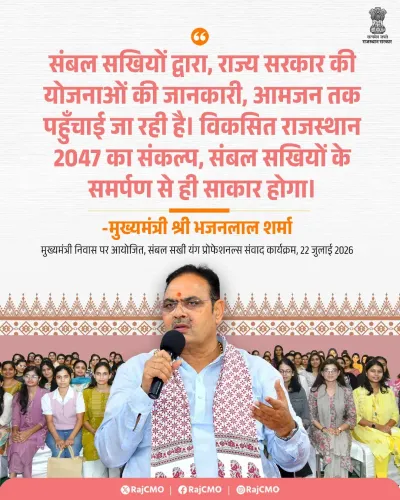
In his post, Sharma said the women's 'experiences, ideas and efforts in the public interest are extremely inspiring'. He added that under the guidance of Prime Minister Narendra Modi, the state government was working continuously in the areas of kaushal vikas, rozgar, udyamita evam navachar (skill development, employment, entrepreneurship and innovation) to empower youth and women.
Context
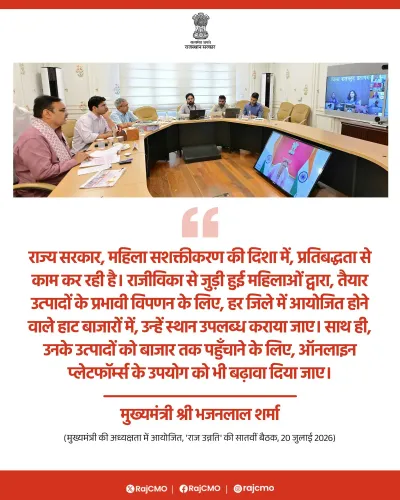
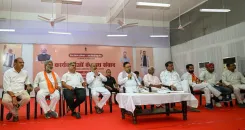
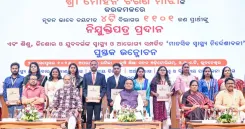
The Chief Minister's outreach comes as the BJP government in Rajasthan, in office since December 2023, continues to project women-led development as a central plank of its governance pitch. The post was accompanied by four images from the engagement at the CM residence.
The Sambal Sakhi programme is a Rajasthan state initiative that mobilises women volunteers for community-level empowerment, awareness and social-service work. It functions as a grassroots cadre intended to extend the reach of welfare delivery into villages and urban wards.
Policy backdrop
MY Bharat, formally Mera Yuva Bharat, is a national volunteer platform launched in 2023 to channel young Indians into skill-building, civic engagement and nation-building activities. It sits within a broader policy arc that began with the Skill India Mission in 2015, designed to expand vocational training and entrepreneurship among youth and women.
By linking a state volunteer cadre like Sambal Sakhi with the central MY Bharat framework, the Rajasthan government is following a pattern visible in states such as Madhya Pradesh and Gujarat, where self-help groups and youth platforms are stitched into employment and social-service pipelines. The reference to the Prime Minister's guidance is consistent with the centre-state coordination language used for flagship schemes since 2014.
Stakeholders and impact
The most direct stakeholders are the women volunteers themselves, many of whom operate at the panchayat and ward level, and the youth registered on the MY Bharat portal. For these participants, proximity to the Chief Minister's office signals political backing for their work and a potential pathway into formal skilling and entrepreneurship programmes.
For the state administration, such interactions help generate feedback from field-level workers and reinforce the messaging that welfare delivery is being routed through women-led networks. Skill-development corporations, district administrations and the rural-development machinery are the institutional actors that typically translate such engagements into programme design.
What's next
Attention now turns to whether the Rajasthan budget for 2026-27 expands financial allocations for Sambal Sakhi and related women-volunteer schemes, and whether the state signs formal arrangements with MY Bharat to integrate volunteer databases with state skill-development bodies.
With the BJP government nearing the midpoint of its term, the visibility given to women volunteers and youth platforms is likely to feed into the party's outreach narrative ahead of upcoming local-body and panchayat cycles in the state.
Point of View
Sharma is reinforcing the centre-state branding template that has defined BJP governance since 2014. The political payoff lies in cultivating a visible women-volunteer constituency ahead of local-body elections. The substantive test will be whether budgetary and institutional follow-through matches the symbolism.
NationPress
26 Sept 2026
Frequently Asked Questions
What is the Sambal Sakhi scheme in Rajasthan?
Sambal Sakhi is a Rajasthan state initiative that engages women volunteers in grassroots empowerment, awareness and social-service activities at the community level. It is positioned as part of the state government's women-led development push.
What is MY Bharat and when was it launched?
MY Bharat, or Mera Yuva Bharat, is a national volunteer platform launched in 2023 to channel young Indians into skill development, civic engagement and nation-building projects. It serves as a unified database and engagement portal for youth volunteers.
Who is Bhajan Lal Sharma?
Bhajan Lal Sharma is the Chief Minister of Rajasthan and a BJP leader, sworn in as CM in December 2023 after the BJP won the state assembly elections. He has prioritised skilling, women empowerment and welfare delivery in his agenda.
What did the Rajasthan CM say about women's empowerment?
Sharma said the experiences and efforts of the women volunteers were 'extremely inspiring' and that his government was continuously working on skill development, employment, entrepreneurship and innovation to empower women and youth, under PM Modi's guidance.
How does Sambal Sakhi link with central government schemes?
Sambal Sakhi operates at the state level but is being projected alongside central platforms like MY Bharat and the Skill India Mission, allowing women volunteers to access national skilling, entrepreneurship and volunteer-engagement frameworks through state-level coordination.