CM Bhajan Lal Sharma Vows Quality Healthcare for Every Rajasthan Resident
Synopsis
Rajasthan Chief Minister Bhajan Lal Sharma on 19 November 2026 reaffirmed the BJP-led 'double engine' government's commitment to strengthening and making healthcare accessible to every citizen within their own region, underscoring the administration's focus on rural medical infrastructure.
Key Takeaways
CM Bhajan Lal Sharma posted on X on 19 November 2026 reaffirming the state government's commitment to accessible, quality healthcare.
The 'double engine' framing stresses alignment between the BJP central government and the Rajasthan state government on welfare delivery.
The stated goal is ensuring every citizen receives quality treatment within their own region , directly targeting the rural access gap.
The post builds on the national Ayushman Bharat PMJAY framework, launched in 2018 , which Rajasthan has been integrating into its local health systems.
Sharma has prioritised healthcare expansion since taking office in December 2023 ; the next budget session will be a key test of that commitment in numbers.
Quality healthcare within reach of every citizen — that is the pledge Rajasthan Chief Minister Bhajan Lal Sharma renewed on Thursday, 19 November 2026, as the BJP-led state government signalled a continued push to strengthen and expand medical infrastructure across the state.
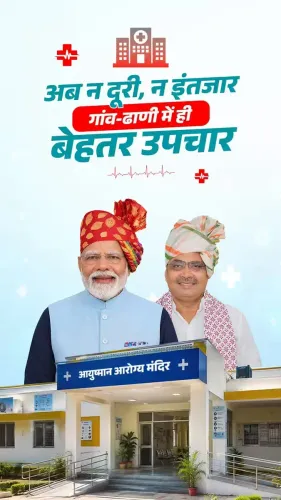
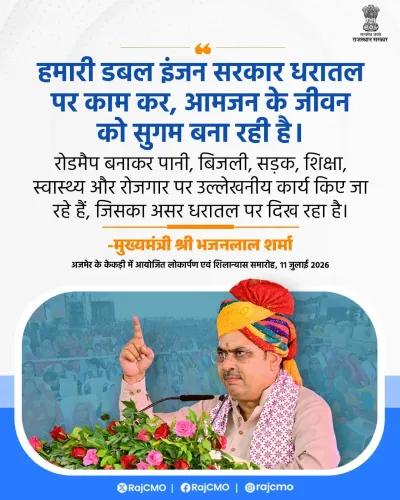
Posting on X, CM Sharma wrote in Hindi: 'डबल इंजन सरकार प्रदेश में चिकित्सा सुविधाओं को सुदृढ़ और सुलभ बनाने के लिए निरंतर कार्य कर रही है' — 'The double-engine government is continuously working to strengthen and make healthcare accessible across the state.' He added that the administration's resolve is to ensure every citizen receives quality treatment and better health services within their own region.
The 'Double Engine' Healthcare Promise
The phrase 'double engine government' — meaning aligned BJP administrations at both the state and central levels — has become a cornerstone of the party's governance narrative. The logic: when New Delhi and Jaipur pull in the same direction, flagship national programmes reach citizens faster. In healthcare, this coordination has centred on integrating schemes such as Ayushman Bharat Pradhan Mantri Jan Arogya Yojana — launched nationally in 2018 — into Rajasthan's local delivery systems.
Sharma, who assumed office in December 2023, has repeatedly framed healthcare expansion as a priority for the state. Rajasthan's vast rural geography makes last-mile medical access a persistent challenge, with large sections of the population historically dependent on district hospitals and primary health centres that have faced capacity constraints.
Rural Rajasthan at the Centre of the Push
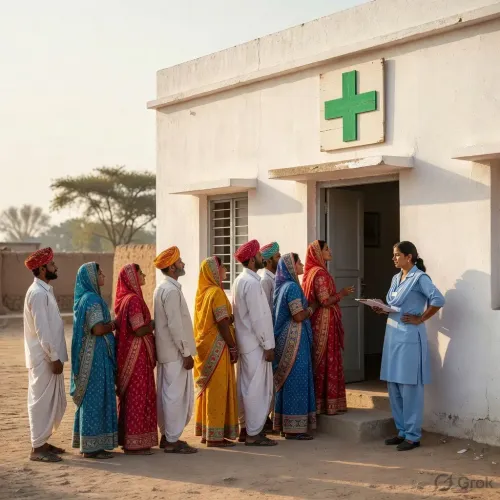
The emphasis on citizens receiving care 'within their own region' is a direct signal to rural and semi-urban constituencies. For many families in Rajasthan's interior districts, a serious medical event has historically meant long, costly journeys to Jaipur or other urban centres. Bridging that gap — through upgraded district hospitals, new medical colleges, or telemedicine networks — is the axis around which the state's health policy is turning.
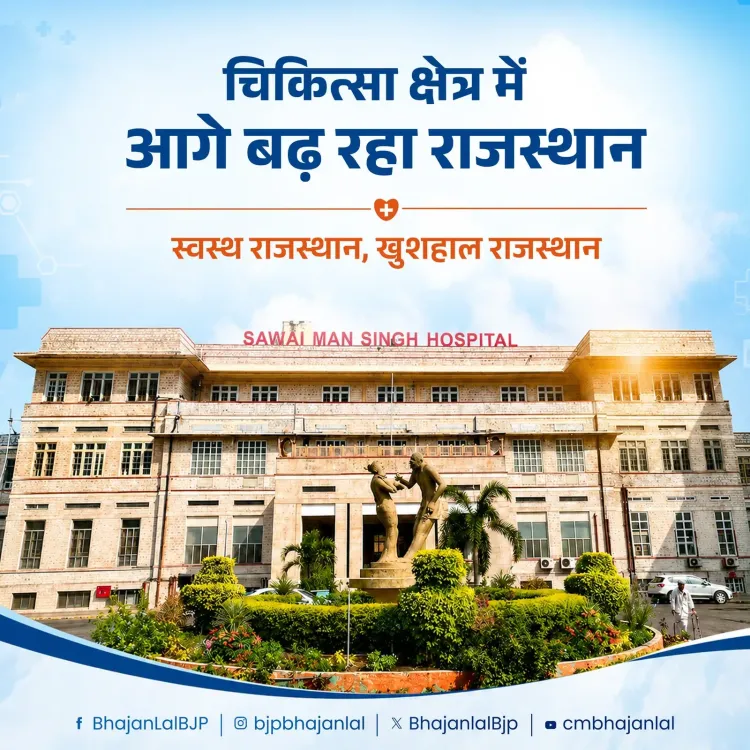
Watchers of the state legislature will track whether the next budget session translates this stated resolve into specific line items: funding for new medical college construction, specialist recruitment in rural postings, or expanded diagnostics at community health centres. The post, accompanied by six images, signals that the government views the health infrastructure story as one ready for public display — not just internal policy work.
The commitment is clear. The measuring stick will be the numbers in the next Rajasthan health budget — and the clinics that actually open their doors in its wake.
Point of View
Keeping the health infrastructure narrative visible is as much about consolidating its support base in interior Rajasthan as it is about governance. The real test will come in budget allocations and verifiable facility openings, not social media pledges.
NationPress
19 Nov 2026
Frequently Asked Questions
What did Rajasthan CM Bhajan Lal Sharma say about healthcare on 19 November 2026?
CM Bhajan Lal Sharma stated that the 'double engine government' is continuously working to strengthen and make healthcare accessible across Rajasthan, with a resolve that every citizen receives quality treatment within their own region.
What is the 'double engine government' in the context of Rajasthan healthcare?
The 'double engine government' refers to the BJP holding power at both the central and Rajasthan state levels simultaneously, enabling coordinated delivery of welfare programmes, including national health schemes like Ayushman Bharat.
What is Ayushman Bharat and how does it relate to Rajasthan?
Ayushman Bharat Pradhan Mantri Jan Arogya Yojana is a national health coverage scheme launched in 2018. Rajasthan has been integrating it into its local healthcare delivery systems to extend coverage to more residents.
When did Bhajan Lal Sharma become Chief Minister of Rajasthan?
Bhajan Lal Sharma became Chief Minister of Rajasthan in December 2023, following the BJP's victory in the state assembly elections.
What are the key healthcare challenges in rural Rajasthan?
Rural Rajasthan's vast geography means many residents must travel long distances to access specialist care, with district hospitals and primary health centres historically facing capacity and staffing constraints.