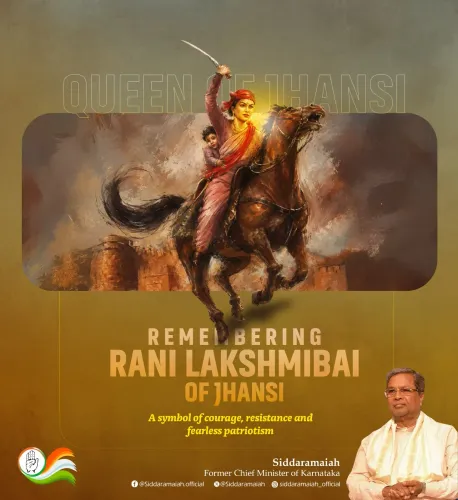
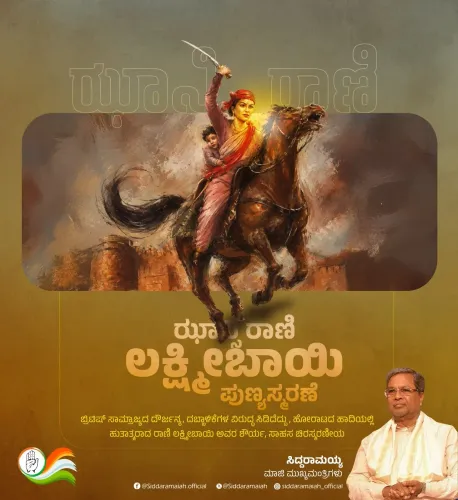
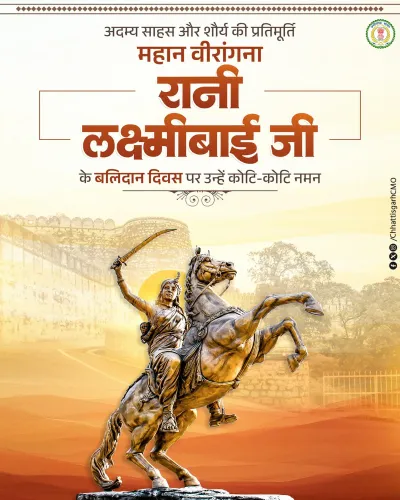
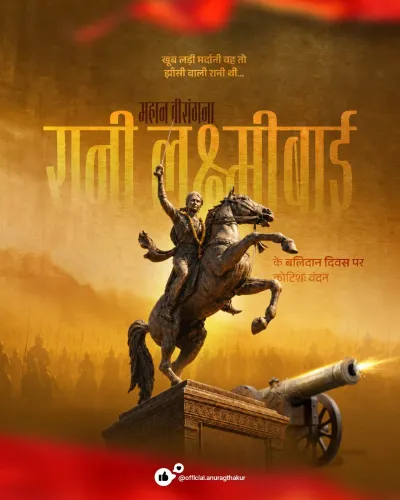
CM Bhajan Lal Sharma Pays Tribute to Rani Lakshmibai on Balidan Diwas
Synopsis
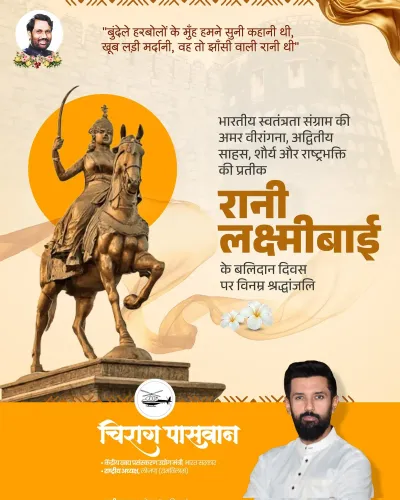
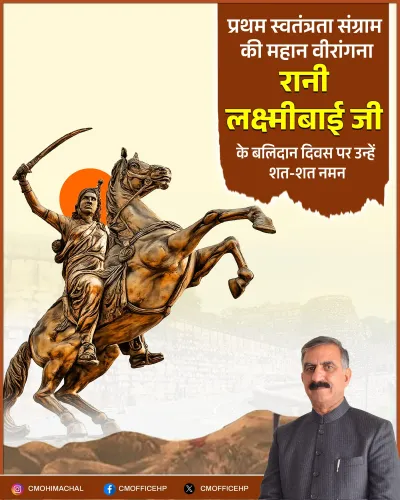
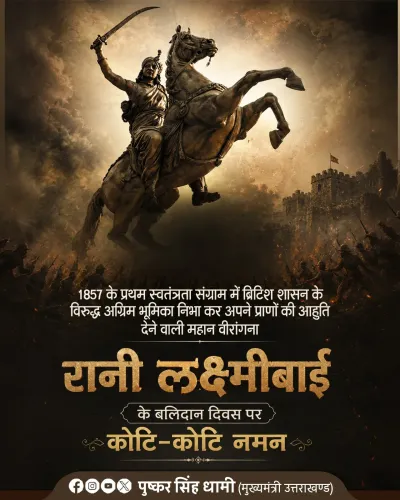
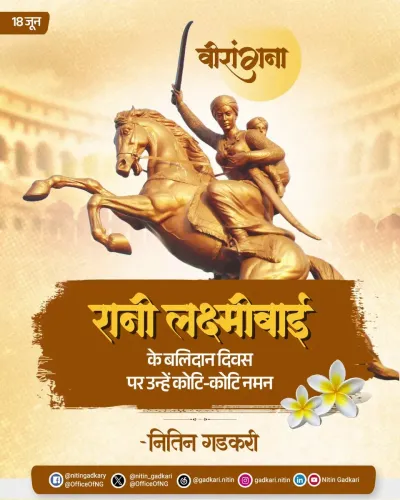
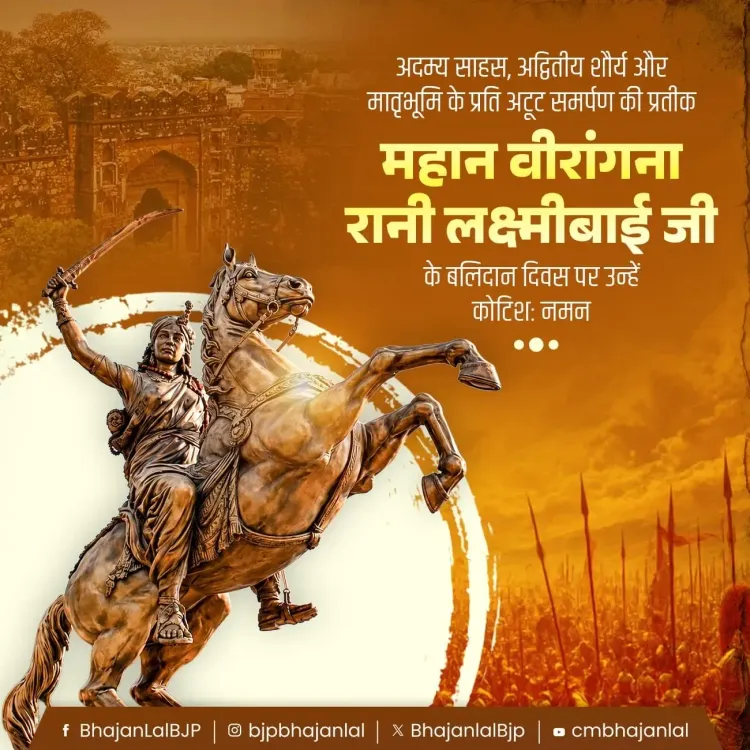
Rajasthan Chief Minister Bhajan Lal Sharma on 18 June 2026 paid homage to Rani Lakshmibai on her martyrdom anniversary, calling her a symbol of indomitable courage and unwavering dedication to the motherland during the 1857 uprising against British rule.
Key Takeaways
Rajasthan CM Bhajan Lal Sharma posted a tribute to Rani Lakshmibai on her Balidan Diwas, 18 June 2026 .
Rani Lakshmibai died in battle near Gwalior in June 1858 during the 1857 revolt against the East India Company.
CM Sharma described her as a symbol of 'indomitable courage, unparalleled valour, and unwavering dedication to the motherland.' The BJP has consistently highlighted 1857 figures in official messaging to underscore indigenous martial traditions and national unity.
The 170th anniversary of the 1857 revolt in 2027 is expected to prompt larger state-level commemorations.
Rajasthan Chief Minister Bhajan Lal Sharma on Thursday, 18 June 2026, paid tribute to Rani Lakshmibai of Jhansi on her martyrdom anniversary, honouring her as a symbol of indomitable courage, unparalleled valour, and unwavering dedication to the motherland.
Context
In his post, CM Sharma offered kotishaः naman (a million salutations) to the queen, describing her sacrifice as part of India's golden chapters of history. He wrote that her sangharsh, tyaag aur parakram — struggle, sacrifice, and might — in the cause of freedom would continue to inspire generations toward patriotism and service to the motherland.
Every year on 18 June, political leaders across India mark the death anniversary of Rani Lakshmibai, who fell in battle near Gwalior in June 1858 during the uprising against the East India Company. The date is observed as Balidan Diwas (Martyrdom Day) in her memory.
Policy Backdrop
Rani Lakshmibai commanded troops of the Kingdom of Jhansi during the 1857 revolt, one of the most significant uprisings against British colonial rule, which began in Meerut and spread across several princely states. She died in combat at the age of around 29, and has since been enshrined in Indian national memory as a foremost symbol of anti-colonial resistance.
In 2007, the Government of India organised nationwide commemorations marking the 150th anniversary of the 1857 revolt, with Rani Lakshmibai recognised among its principal martyrs. BJP-led governments at both state and central levels have in recent years placed renewed emphasis on 1857 figures in official messaging, public events, and educational discourse, highlighting indigenous martial traditions and themes of national unity.
Stakeholders and Impact
CM Bhajan Lal Sharma has been Chief Minister of Rajasthan since December 2023 and regularly issues public tributes to historical figures on their birth and death anniversaries as part of official state communication. Such tributes reach a broad audience of students, educators, and citizens who engage with the legacy of the 1857 uprising through school curricula and cultural events.
The annual observance of Balidan Diwas reinforces the place of figures like Rani Lakshmibai in public consciousness, particularly among younger generations for whom her story is a central part of the national history syllabus.
What's Next
With the 170th anniversary of the 1857 revolt approaching in 2027, state governments and cultural institutions are expected to scale up commemorative events and possibly revisit curriculum references to the uprising's key figures. Rajasthan, with its own deep martial heritage, is likely to be among the states that organise public programmes honouring leaders such as Rani Lakshmibai in the lead-up to that milestone.
Point of View
' the post connects a historical martyr to contemporary themes of patriotism that the party regularly amplifies in official communication. With the 170th anniversary of the 1857 revolt on the horizon in 2027, such tributes are likely to grow in scale and official weight. This pattern reflects a wider effort by BJP-governed states to embed anti-colonial resistance narratives into public culture and state identity.
NationPress
19 Sept 2026
Frequently Asked Questions
When did Rani Lakshmibai die and why is 18 June observed as Balidan Diwas?
Rani Lakshmibai died in battle near Gwalior in June 1858 while fighting British East India Company forces during the 1857 revolt. 18 June is observed as her Balidan Diwas, or Martyrdom Day, across India.
Who is Bhajan Lal Sharma and why did he post about Rani Lakshmibai?
Bhajan Lal Sharma is the Chief Minister of Rajasthan and a BJP leader who has held the post since December 2023. He regularly issues public tributes to historical figures on significant anniversaries, including Rani Lakshmibai's martyrdom day.
What was Rani Lakshmibai's role in the 1857 revolt?
Rani Lakshmibai was the Queen of Jhansi who led her troops against British East India Company forces during the 1857 uprising. She became one of the revolt's most celebrated figures and died in combat near Gwalior in June 1858.
How does the BJP commemorate Rani Lakshmibai?
BJP-led governments at state and central levels have placed renewed emphasis on 1857 figures, including Rani Lakshmibai, in official messaging, public events, and educational discourse to highlight indigenous martial traditions and national unity.
What events are expected around the 170th anniversary of the 1857 revolt?
The 170th anniversary of the 1857 revolt falls in 2027. State governments and cultural institutions are expected to organise larger commemorative events and possibly revisit curriculum references to key figures such as Rani Lakshmibai.