CM Shivakumar at 31st Southern Zonal Council Meet in Mahabalipuram
Synopsis
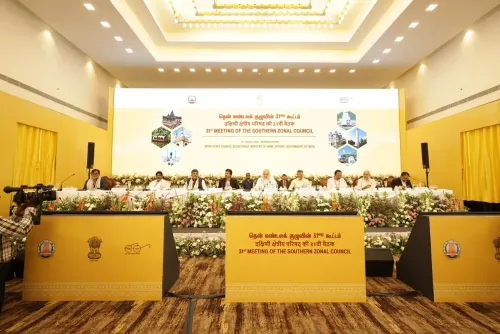
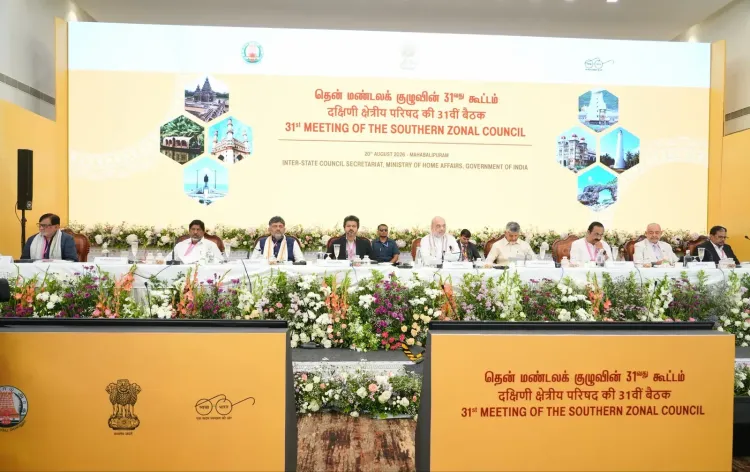
Union Home Minister Amit Shah chaired the 31st Southern Zonal Council meeting in Mahabalipuram on 20 August 2026, with Karnataka CM D.K. Shivakumar, Tamil Nadu CM C. Joseph Vijay, Kerala CM V.D. Satheesan, Andhra Pradesh CM N. Chandrababu Naidu, and Telangana Deputy CM Bhatti Vikramarka in attendance.
Key Takeaways
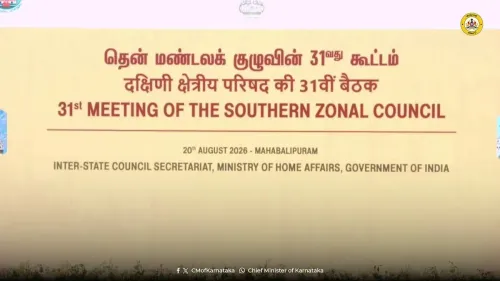
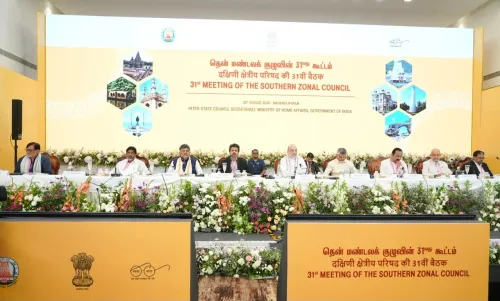
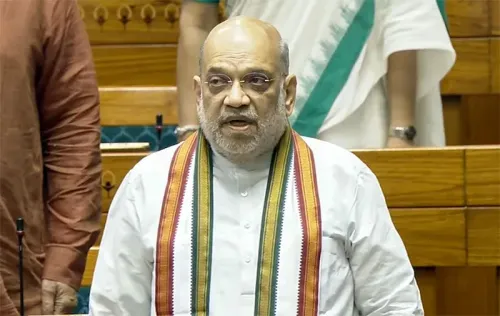
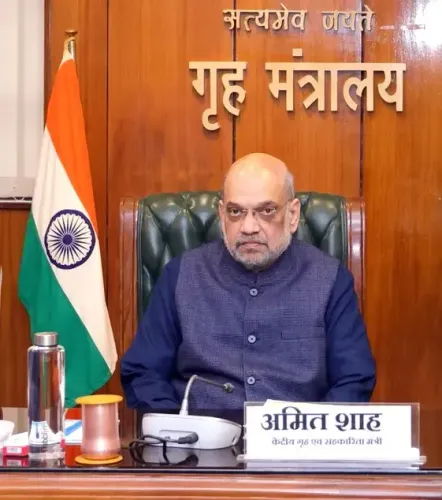
The 31st Southern Zonal Council meeting was held in Mahabalipuram, Tamil Nadu on 20 August 2026 , chaired by Union Home Minister Amit Shah .
Karnataka Chief Minister D.K.
Shivakumar attended, accompanied by IT, BT and Home Affairs Minister Priyank Kharge .
Chief ministers of Tamil Nadu (C.
Joseph Vijay) , Kerala (V.D.
Satheesan) , and Andhra Pradesh (N.
Chandrababu Naidu) participated directly.
Telangana was represented by Deputy Chief Minister Bhatti Vikramarka .
The Southern Zonal Council is a statutory body under the States Reorganisation Act, 1956 , designed for inter-state and Centre-state coordination on law, order, and development.
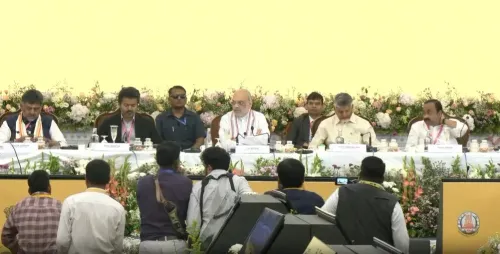
A room full of southern India's most powerful elected leaders, convened under one roof by the Union Home Minister — the 31st Southern Zonal Council meeting, held in the historic coastal town of Mahabalipuram, Tamil Nadu, brought together the region's top political leadership on 20 August 2026. The Chief Minister's Office of Karnataka confirmed that Chief Minister D.K. Shivakumar represented the state at the high-level inter-governmental forum, chaired by Union Home Minister Amit Shah.
Who Was in the Room at Mahabalipuram
The gathering drew chief ministers and senior representatives from across the five southern states. Tamil Nadu Chief Minister C. Joseph Vijay, Kerala Chief Minister V.D. Satheesan, and Andhra Pradesh Chief Minister N. Chandrababu Naidu attended in person. Telangana was represented by Deputy Chief Minister Bhatti Vikramarka. Karnataka sent a two-member leadership presence — Chief Minister Shivakumar alongside Priyank Kharge, the state's Minister for IT, Biotechnology, and Home Affairs.
What the Southern Zonal Council Actually Does
The Southern Zonal Council is not a ceremonial body. Constituted under the States Reorganisation Act, 1956, it is a statutory inter-state coordination mechanism that brings southern state governments and the Union Home Ministry to the same table on matters of shared consequence — law and order, resource allocation, cross-border development, and administrative cooperation. Amit Shah, as Home Minister, chairs these sessions, giving them direct executive weight at the Centre.
These meetings are periodic but consequential. Decisions made — or deferred — in a room like this shape how southern states coordinate on everything from river-water disputes to infrastructure investment corridors. The presence of chief ministers, rather than mere bureaucratic delegations, signals the political seriousness attached to this edition.
Karnataka's Stake in the Southern Conversation
For Karnataka, the meeting carries particular relevance. The state shares borders — and often, competing interests — with Tamil Nadu (the Cauvery water dispute remains a perennial flashpoint), Kerala, Andhra Pradesh, and Telangana. Shivakumar's direct participation, backed by Kharge's presence as the minister overseeing both technology policy and internal security, suggests Bengaluru arrived with a substantive agenda rather than a courtesy appearance.
Any joint resolutions or follow-up actions on regional coordination emerging from the 31st session will be closely watched — both by state capitals and by New Delhi, which uses the zonal council framework as a federal pressure valve for south-bloc concerns.
Point of View
Sharing a table with a BJP-chaired forum while also coordinating with ideologically varied southern counterparts illustrates the pragmatic federalism that inter-state governance demands. The outcomes — particularly any joint positions on resource-sharing or Centre-state fiscal transfers — will test whether the zonal council mechanism can deliver tangible results or remains a high-profile talking shop.
NationPress
20 Aug 2026
Frequently Asked Questions
What is the Southern Zonal Council?
The Southern Zonal Council is a statutory inter-governmental body constituted under the States Reorganisation Act, 1956, that facilitates cooperation between southern Indian states and the Union government on matters such as law and order, development, and resource allocation.
Who chaired the 31st Southern Zonal Council meeting?
Union Home Minister Amit Shah chaired the 31st Southern Zonal Council meeting, held in Mahabalipuram, Tamil Nadu.
Which states participated in the 31st Southern Zonal Council meeting?
Karnataka, Tamil Nadu, Kerala, Andhra Pradesh, and Telangana participated, represented by their respective chief ministers or senior ministers.
Why did Karnataka send both CM Shivakumar and Minister Priyank Kharge?
Karnataka was represented by Chief Minister D.K. Shivakumar and IT, BT and Home Affairs Minister Priyank Kharge, reflecting the state's interest in both administrative coordination and technology policy discussions at the inter-state forum.
Where was the 31st Southern Zonal Council meeting held?
The meeting was held in Mahabalipuram, a historic coastal town in Tamil Nadu.