CM Shivakumar Launches Door-to-Door Caste Certificate Drive
Synopsis
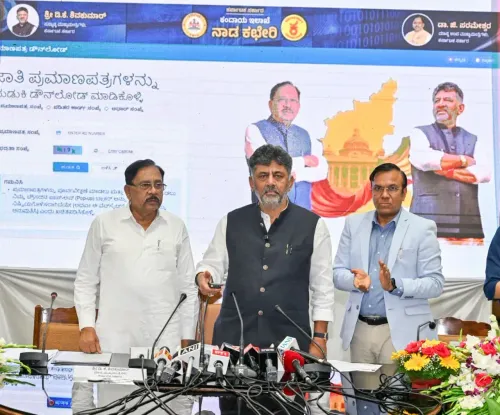
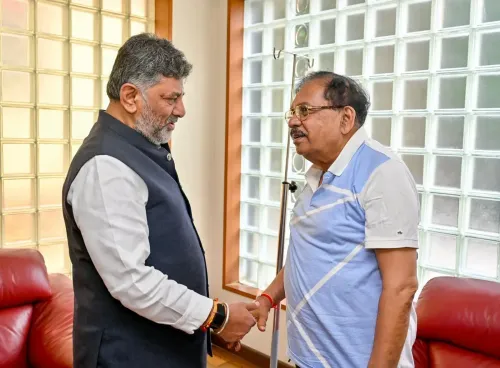
Karnataka has launched a free doorstep delivery service for caste and permanent residence certificates, eliminating office visits for citizens. Chief Minister D.K. Shivakumar and Deputy CM Dr. G. Parameshwara inaugurated the initiative at Vidhana Soudha on 20 July 2026.
Key Takeaways
The Karnataka government launched a free door-to-door service to deliver caste and permanent residence certificates on 20 July 2026 .
The initiative was inaugurated at Vidhana Soudha's Conference Hall by Chief Minister D.K.
Shivakumar and Deputy Chief Minister Dr.
The service eliminates the need for citizens to visit government offices or revenue departments to obtain these certificates.
Primary beneficiaries include SC, ST, and OBC communities who rely on caste certificates for reservation benefits in education, jobs, and welfare.
The programme builds on Karnataka's Sakala Services Act (2011) , which mandates time-bound delivery of citizen services.
Roll-out across all taluks and integration with Aadhaar-based verification will be critical to the scheme's scalability.
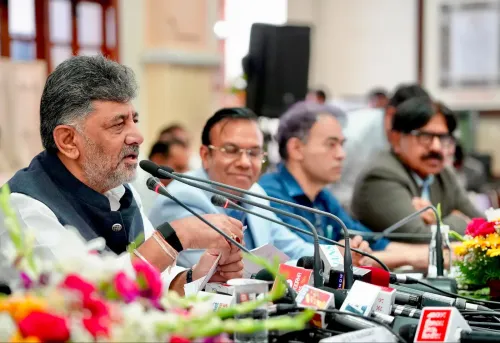
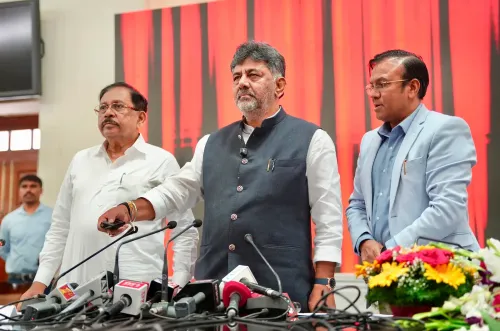
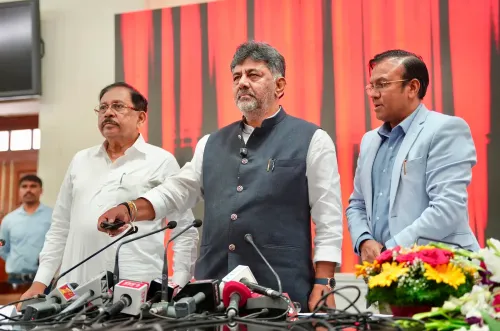
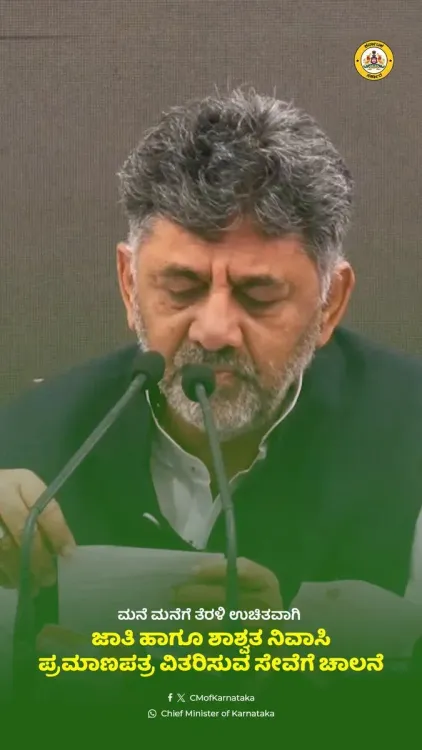
The Chief Minister's Office of Karnataka announced on Monday, 20 July 2026 that the state government has launched a free door-to-door service to deliver caste and permanent residence certificates directly to citizens' homes, eliminating the need for repeated visits to government offices. The initiative was formally inaugurated at the Conference Hall of Vidhana Soudha, Bengaluru, with Chief Minister D.K. Shivakumar and Deputy Chief Minister Dr. G. Parameshwara presiding over the launch.
Context
The post, shared in Kannada, announces: 'ಕಚೇರಿ ಅಲೆದಾಟ ತಪ್ಪಿತು; ಜಾತಿ, ನಿವಾಸಿ ಪ್ರಮಾಣಪತ್ರ ಮನೆ ಬಾಗಿಲಿಗೆ ಬಂತು!' ('No more running to offices; caste and residence certificates have come to your doorstep!'). Under the new service, government personnel will visit homes across the state and distribute caste certificates and permanent resident certificates free of charge. The launch event saw both senior leaders address attendees at Vidhana Soudha, Karnataka's seat of legislative and executive power in Bengaluru.
Policy Backdrop
Karnataka has a long record of reforming citizen-service delivery. The state enacted the Sakala Services Act in 2011, which mandates time-bound delivery of government certificates and services. Online portals for caste, income, and domicile certificates were introduced in the mid-2010s to reduce dependence on physical revenue offices.
The new doorstep programme extends this trajectory by removing even the digital barrier — citizens who lack internet access or familiarity with online systems no longer need to navigate portals or travel to tehsil offices. The move mirrors doorstep-delivery pilots previously trialled in Telangana and Andhra Pradesh, which linked revenue records with Aadhaar for on-the-spot verification.
Stakeholders and Impact
The primary beneficiaries are households from Scheduled Caste, Scheduled Tribe, and Other Backward Class communities, for whom caste certificates are essential to access reservation benefits in education, employment, and welfare schemes. Permanent residence certificates are equally critical for eligibility in state-specific quotas, scholarships, and government jobs.
Rural and semi-urban households — where travel to district headquarters or taluk offices involves significant time and cost — stand to gain the most. Reducing office visits also limits opportunities for informal payments that have historically plagued certificate issuance at lower administrative levels.
What's Next
The government's ability to scale the programme will depend on roll-out metrics across all taluks of Karnataka, seamless integration with existing Sakala timelines, and robust verification mechanisms to ensure accuracy of certificates issued in the field. Legislative and audit bodies are expected to monitor the programme as it expands. If successful, the initiative could serve as a model for other states looking to take citizen-service delivery beyond the digital window and into the last mile.
Point of View
Targeting SC, ST, and OBC voters who have long faced bureaucratic friction in obtaining documents central to their welfare entitlements. By physically bringing the state to citizens' homes, the initiative signals a shift from digitisation — which still demands literacy and connectivity — to true last-mile governance. It also fits a broader national pattern where state governments compete on service-delivery optics ahead of local and state electoral cycles. The programme's credibility will ultimately rest on verification rigour and taluk-level execution, not the launch event alone.
NationPress
21 Jul 2026
Frequently Asked Questions
What is Karnataka's door-to-door caste certificate service?
It is a free government initiative where officials visit homes across Karnataka to issue caste certificates and permanent residence certificates on the spot, removing the need for citizens to visit revenue offices.
Who launched the doorstep certificate scheme in Karnataka?
Chief Minister D.K. Shivakumar and Deputy Chief Minister Dr. G. Parameshwara jointly launched the service at Vidhana Soudha on 20 July 2026 .
Who is eligible for the Karnataka doorstep caste certificate service?
All Karnataka residents who require caste certificates or permanent residence certificates are eligible, with particular benefit for SC, ST, and OBC communities who need these documents for reservations and welfare schemes.
What is a permanent residence certificate in Karnataka?
A permanent residence certificate, also called a domicile certificate, is an official document issued by the Karnataka government confirming that a person is a long-term resident of the state, required for state-specific job quotas, scholarships, and other benefits.
How does this scheme relate to Karnataka's Sakala Act?
Karnataka's Sakala Services Act of 2011 already mandated time-bound delivery of certificates. The new doorstep service extends that commitment by eliminating physical office visits entirely, taking delivery directly to citizens' homes.