CM Shivakumar Meets Amit Shah, Raises Police, Sugar Issues
Synopsis
Chief Minister D K Shivakumar met Union Home Minister Amit Shah in New Delhi on 12 June 2026, seeking central support for police modernisation, additional India Reserve Battalions, the President's Colour for Karnataka Police, and relief for the state's sugar sector through FRP and ethanol allocation revisions.
Key Takeaways
CM D K Shivakumar met Union Home Minister Amit Shah in New Delhi on 12 June 2026 .
Karnataka sought central support for police modernisation, cybercrime response, prison infrastructure and internal security preparedness.
The Chief Minister requested sanction for additional India Reserve Battalions and the President's Colour award for Karnataka State Police.
Shivakumar urged revision of the Fair and Remunerative Price for sugarcane and the Minimum Selling Price of sugar to support cooperative mills and farmers.
Enhanced ethanol procurement allocations were also sought to strengthen the sugar sector's financial viability.
The Chief Minister called on the Union Government to act 'at the earliest in the larger interest of millions of Kannadigas.'
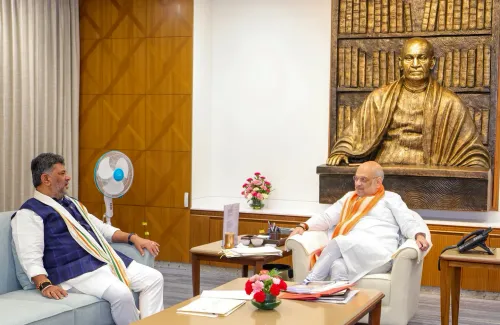
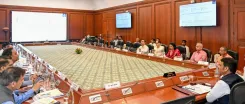
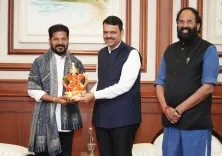
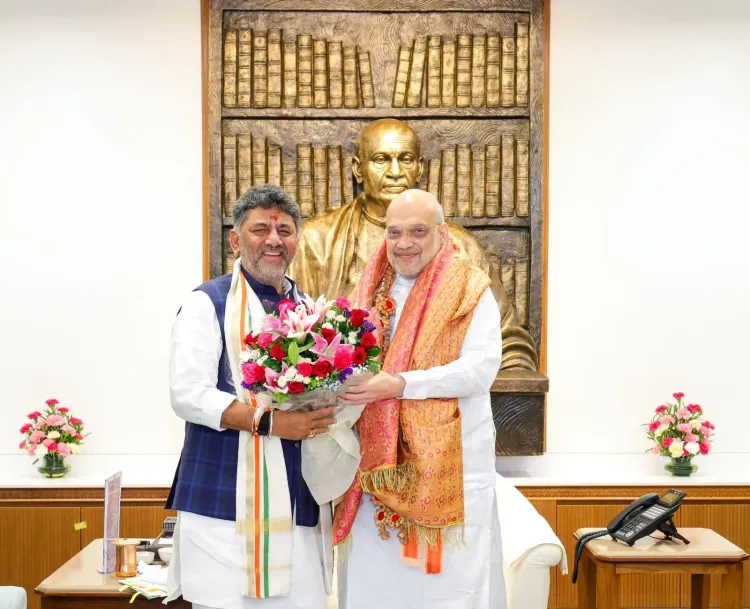
Chief Minister D K Shivakumar called on Union Home Minister Amit Shah in New Delhi on Friday, 12 June 2026, placing before the Centre a wide-ranging set of requests covering police modernisation, internal security and the distressed sugar sector in Karnataka.
Context
The Chief Minister's Office of Karnataka confirmed that the meeting covered 'several matters of importance to Karnataka,' spanning law-and-order infrastructure and agricultural pricing. The discussions reflect the routine but consequential centre-state bargaining that shapes how federal resources flow to state governments under India's constitutional division of responsibilities.
Shivakumar, who has led the Congress government in Karnataka since May 2023, used the meeting to press for commitments that would require either central funding or regulatory action by Union ministries.
Policy Backdrop
On the security side, the Chief Minister presented proposals to strengthen Karnataka's 'law and order framework, police modernisation, internal security preparedness, cybercrime response, police training facilities, prison infrastructure and public safety systems.' He specifically sought sanction for additional India Reserve Battalions (IRBs) — state-raised paramilitary units whose costs are partially borne by the Centre — and requested that the Karnataka State Police be awarded the President's Colour, the highest ceremonial honour for a police force.
Central grants for police infrastructure have flowed through the Modernisation of Police Forces scheme since 1969-70, making such requests a standard feature of chief ministerial visits to North Block. IRB sanctions require Home Ministry approval and are tied to internal-security threat assessments.
On agriculture, Shivakumar raised concerns about Karnataka's sugar sector and sought Union Government intervention on three specific fronts: increasing the Fair and Remunerative Price (FRP) for sugarcane, revising the Minimum Selling Price (MSP) of sugar, and enhancing ethanol procurement allocations. The FRP is fixed annually by the Centre on the basis of Commission for Agricultural Costs and Prices recommendations, a mechanism in place since the 2009-10 season. The Ethanol Blended Petrol programme, expanded significantly after 2018, directly links sugar-mill viability to biofuel procurement targets set by New Delhi.
Stakeholders and Impact
The immediate beneficiaries of a positive Centre response would be Karnataka's sugarcane farmers and the state's network of cooperative sugar factories, which the Chief Minister said needed these measures to ensure 'timely payments' to growers. Karnataka is among the significant sugar-producing states where cooperative mills dominate, making FRP revisions a politically sensitive issue.
For the Karnataka State Police, approval of additional IRBs would expand capacity for internal-security deployments, while the President's Colour recognition would mark a milestone in the force's institutional history. Cybercrime units and prison infrastructure upgrades, if funded, would address growing operational demands on the state's law enforcement apparatus.
What's Next
Outcomes will hinge on central decisions expected in the next agricultural season on revised FRP and MSP levels, as well as on whether Karnataka's proposals find a place in the annual Modernisation of Police Forces grant cycle or IRB sanction orders. Shivakumar urged the Union Government to 'consider the State's requests at the earliest in the larger interest of millions of Kannadigas,' signalling that Bengaluru will follow up on both security and farm-economy fronts. The meeting sets the stage for Karnataka to monitor Union Budget and ministry notifications closely in the months ahead.
Point of View
Where states must lobby New Delhi for both security resources and agricultural price support. For a Congress-ruled Karnataka dealing with a BJP-led Centre, the optics of cooperation on governance matters carry political weight on both sides. The sugar-sector asks — FRP revision, MSP adjustment and ethanol quotas — reflect a structural tension in India's agrarian economy where state-level cooperative mills remain dependent on Union pricing decisions. Progress on these fronts will be a key metric for the Karnataka government as it heads toward the next electoral cycle.
NationPress
26 Oct 2026
Frequently Asked Questions
Why did CM Shivakumar meet Amit Shah in Delhi?
Chief Minister D K Shivakumar met Union Home Minister Amit Shah on 12 June 2026 to seek central support for Karnataka's police modernisation, additional India Reserve Battalions, the President's Colour for the state police, and relief measures for the sugar sector including FRP revision and enhanced ethanol allocations.
What is the President's Colour award for police?
The President's Colour is the highest ceremonial honour conferred on a police force in India, recognising distinguished service. Karnataka State Police requested this recognition during the Chief Minister's meeting with the Union Home Minister.
What is the Fair and Remunerative Price for sugarcane?
The Fair and Remunerative Price is the minimum price that sugar mills must pay to sugarcane farmers, fixed annually by the Union Government on the basis of recommendations from the Commission for Agricultural Costs and Prices. Karnataka sought an increase in this price to support farmers and cooperative mills.
What are India Reserve Battalions?
India Reserve Battalions are state-raised paramilitary units partially funded by the Central Government, deployed to assist in internal security and law-and-order duties. Karnataka requested sanction for additional battalions during the meeting.
How does ethanol procurement affect Karnataka's sugar sector?
Under India's Ethanol Blended Petrol programme, sugar mills can sell ethanol derived from sugarcane to oil companies, providing an additional revenue stream. Higher ethanol procurement allocations from the Centre improve the financial health of cooperative sugar factories and help ensure timely payments to farmers.