CM Shivakumar, PM Modi Inaugurate Viveka Smaraka in Mysuru
Synopsis
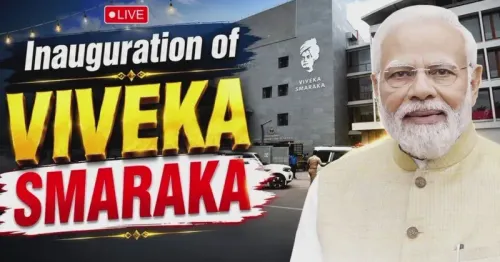
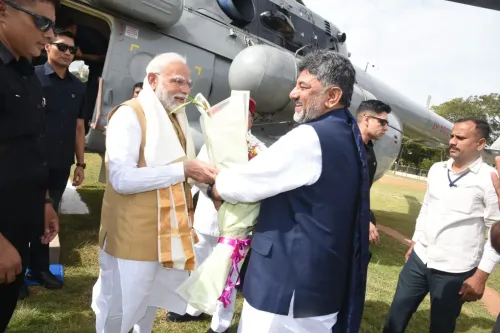
Prime Minister Narendra Modi and Karnataka CM D.K. Shivakumar jointly inaugurated the Swami Vivekananda Cultural Youth Centre – Viveka Smaraka in Mysuru on 1 August 2026, built by Sri Ramakrishna Ashrama to commemorate Vivekananda's historic 1892 visit to the city.
Key Takeaways
The Swami Vivekananda Cultural Youth Centre – Viveka Smaraka was inaugurated in Mysuru on 1 August 2026 .
Prime Minister Narendra Modi and Karnataka CM D.K.
Shivakumar jointly presided over the inauguration.
The centre was built by Sri Ramakrishna Ashrama, Mysuru to mark Swami Vivekananda's visit to the city in 1892 .
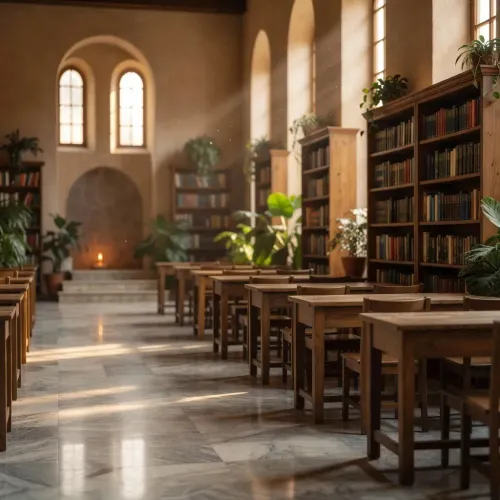
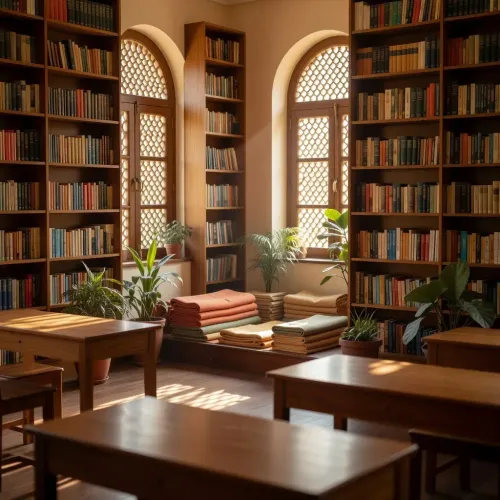
Facilities include a library, classrooms, and dedicated spaces for yoga and meditation aimed at youth.
Governor Thaawarchand Gehlot , senior Ramakrishna Mission monks, MP Yaduveer Wadiyar , and BJP State President B.Y.
Vijayendra also attended.
The event brought together leaders from both Congress and BJP alongside spiritual and royal figures — a rare cross-party cultural convergence.
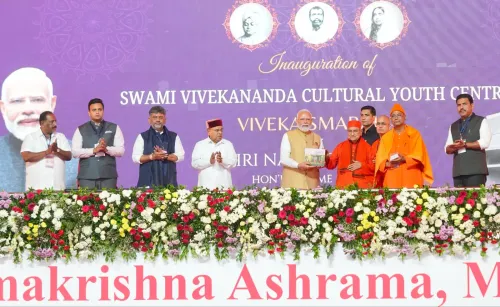
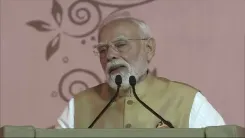
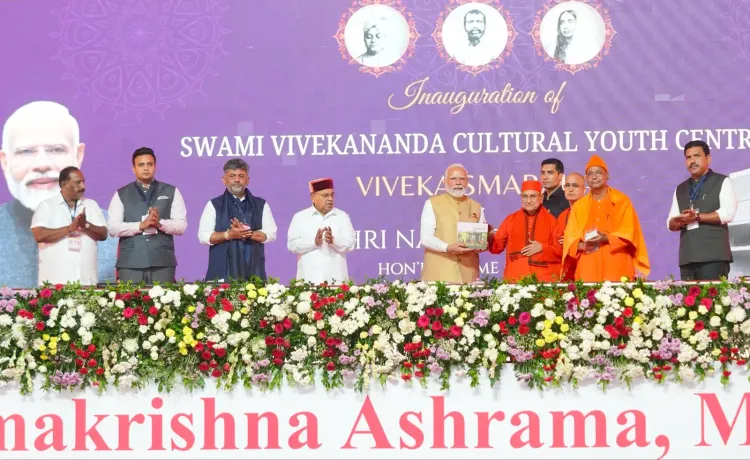
A cultural landmark rooted in a 134-year-old moment of history opened its doors in Mysuru on Saturday, 1 August 2026 — as Prime Minister Narendra Modi and Karnataka Chief Minister D.K. Shivakumar jointly inaugurated the Swami Vivekananda Cultural Youth Centre – Viveka Smaraka, built by Sri Ramakrishna Ashrama, Mysuru to honour Swami Vivekananda's historic visit to the city in 1892.
The Chief Minister's Office of Karnataka announced the inauguration, noting that the centre houses a well-equipped library, classrooms, and dedicated spaces for yoga and meditation — facilities designed to translate Vivekananda's philosophy of self-reliance and youth empowerment into daily practice.
What the 1892 Mysuru visit means — and why it still resonates
When Swami Vivekananda passed through Mysuru in 1892, he was months away from his landmark address at the Parliament of the World's Religions in Chicago — a speech that would project Indian spiritual thought onto the global stage. That Mysuru moment is now enshrined in stone, glass, and a reading room. The Viveka Smaraka is not merely a memorial; it is a working institution built to carry that energy forward.
Sri Ramakrishna Ashrama, Mysuru — a branch of the broader Ramakrishna Mission network — has long anchored education and spiritual training in Karnataka. The new centre extends that mandate directly to young people, giving them structured spaces to study, practise yoga, and engage with Vivekananda's writings.
Who was in the room: a rare political and spiritual convergence
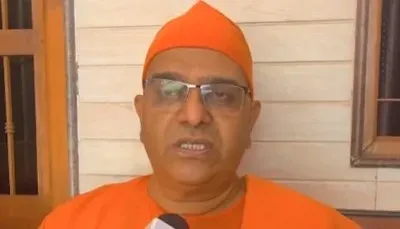
The gathering was notable for the range of figures it brought together. Governor Thaawarchand Gehlot attended in his constitutional capacity. Revered Swami Gautamanandaji Maharaj and Revered Swami Muktidanandaji Maharaj represented the Ramakrishna Mission's spiritual leadership. MP Yaduveer Krishnadatta Chamaraja Wadiyar — scion of the former Mysore royal family and a figure closely linked to the city's heritage identity — was present, as were MLA Harish Gowda and BJP State President B.Y. Vijayendra.
The presence of both a Congress Chief Minister and a BJP Prime Minister on the same dais — alongside royalty, monks, and elected representatives — underscores how Vivekananda's legacy operates above the usual fault lines of Indian politics. It is one of the rare cultural coordinates that no party contests.
Karnataka's pattern of linking local heritage to national narrative
This inauguration fits a broader pattern: central and state governments have periodically backed memorials and youth centres tied to 19th-century spiritual figures, weaving local history into a larger national story. Karnataka has hosted several such projects, each connecting regional memory — in this case, Mysuru's Vivekananda connection — to contemporary goals around youth development, wellness, and cultural education.
Whether the Viveka Smaraka becomes a genuinely active hub or a ceremonial landmark will depend on what follows the ribbon-cutting — integration with state education programmes, skill initiatives, or university outreach could determine its real-world impact on Karnataka's youth.
A monk's 1892 stopover in Mysuru has become a permanent address. The question now is how many young people walk through its doors.
Point of View
Such inaugurations reinforce a broader cultural-nationalism narrative centred on 19th-century spiritual reformers. For CM Shivakumar, participation signals Karnataka's alignment with national heritage priorities without ceding ideological ground. The long-term policy question is whether the centre will be integrated into state education or skill frameworks, or remain primarily symbolic.
NationPress
1 Aug 2026
Frequently Asked Questions
What is the Viveka Smaraka in Mysuru?
The Viveka Smaraka, or Swami Vivekananda Cultural Youth Centre, is a memorial and youth facility built by Sri Ramakrishna Ashrama in Mysuru to commemorate Swami Vivekananda's visit to the city in 1892. It houses a library, classrooms, and spaces for yoga and meditation.
Who inaugurated the Viveka Smaraka?
Prime Minister Narendra Modi and Karnataka Chief Minister D.K. Shivakumar jointly inaugurated the Viveka Smaraka on 1 August 2026 at a public gathering organised by Sri Ramakrishna Ashrama, Mysuru.
Why did Swami Vivekananda visit Mysuru in 1892?
Swami Vivekananda visited Mysuru in 1892 during his travels across India before his landmark address at the Parliament of the World's Religions in Chicago. The visit is considered historically significant in the region's spiritual and cultural memory.
What facilities does the Viveka Smaraka offer?
The centre includes a well-equipped library, classrooms, and dedicated spaces for yoga and meditation, designed to serve Karnataka's youth and promote Vivekananda's ideals of self-reliance and empowerment.
Who else attended the Viveka Smaraka inauguration?
The event was attended by Governor Thaawarchand Gehlot, Revered Swami Gautamanandaji Maharaj, Revered Swami Muktidanandaji Maharaj, MP Yaduveer Krishnadatta Chamaraja Wadiyar, MLA Harish Gowda, and BJP State President B.Y. Vijayendra.