CM Shivakumar Unveils 10-Year Vision to Rebuild Bengaluru

Synopsis
The Karnataka government under CM D.K. Shivakumar has announced a 10-year infrastructure blueprint for Bengaluru, prioritising metro, tunnel roads, elevated corridors, suburban rail, drinking water, sewerage, and waste management with equitable funding across all constituencies.
Key Takeaways
The Chief Minister's Office of Karnataka announced a 10-year infrastructure vision for Bengaluru on 29 October 2026 .
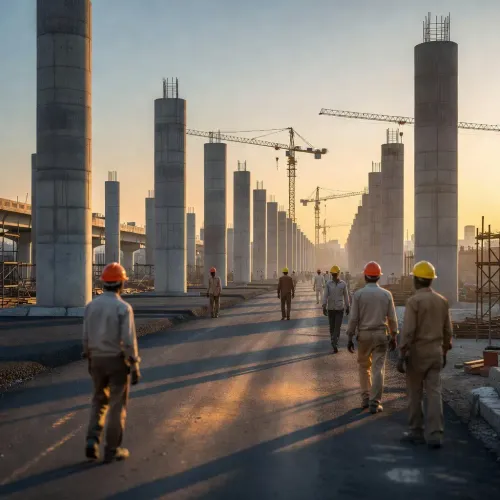
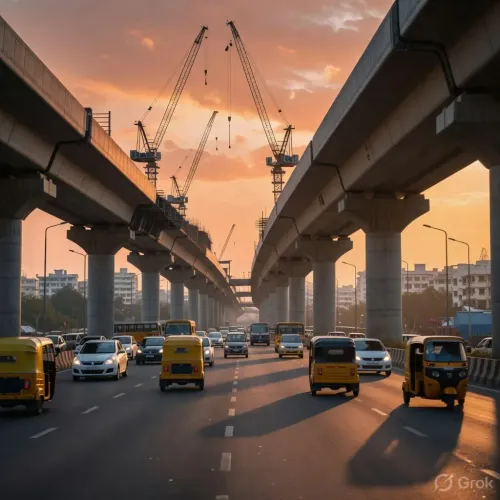
The plan prioritises roads, tunnel routes, elevated corridors, metro, bus services, and suburban rail for holistic urban development.
The government also commits to permanent drinking water supply, sewerage upgrades, and solid waste management across the city.
The CMO pledged equitable grant allocation across all constituencies , with no area left out of development benefits.
The announcement builds on Namma Metro Phase 2 (sanctioned 2017) and aims to accelerate the long-pending suburban rail project .
Key milestones to watch: state budget allocations and tendering progress on tunnels and elevated corridors in the next fiscal year.
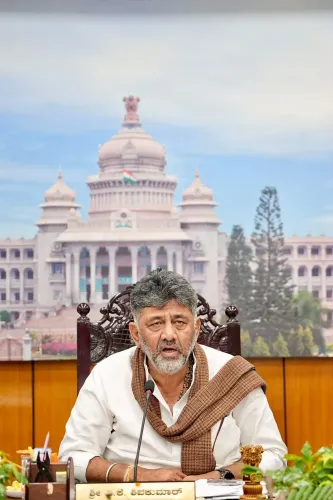
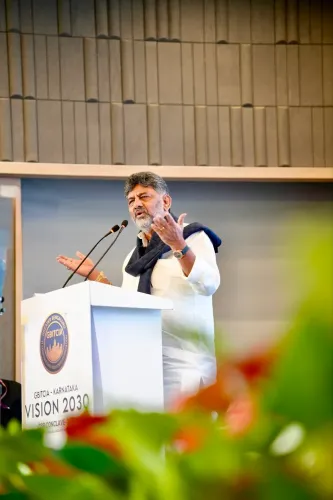
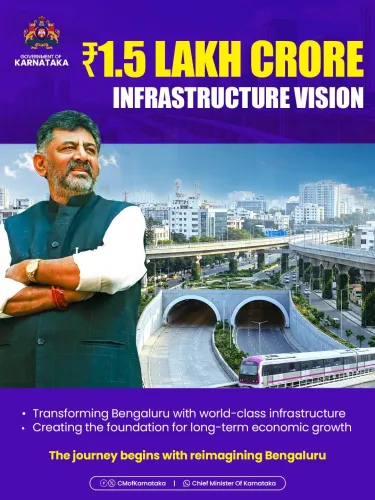
A city of 13 million choked by traffic, patchy water supply, and overflowing waste — Karnataka Chief Minister D.K. Shivakumar's government has now put a decade-long blueprint on the table to fix it. On Thursday, 29 October 2026, the Chief Minister's Office of Karnataka announced a comprehensive 10-year infrastructure vision for Bengaluru, covering everything from tunnel roads and elevated corridors to metro expansion, suburban rail, drinking water, sewerage, and solid waste management.
The post, written in Kannada, declares: 'ನವ ಬೆಂಗಳೂರು ನಿರ್ಮಾಣಕ್ಕೆ ಸರ್ಕಾರದ ಸಂಕಲ್ಪ' — 'The government's resolve to build a new Bengaluru.' It states that under CM Shivakumar's leadership, the government has formulated a forward-looking plan that prioritises infrastructure, roads, tunnel routes, elevated corridors, metro, bus, and suburban rail connectivity for the holistic development of the city.
What the 10-year plan promises Bengaluru
The plan, as articulated by the CMO, targets six interconnected pillars: road infrastructure, tunnel roads, elevated corridors, metro expansion, bus services, and suburban rail linkages. Beyond mobility, the government pledges equitable grant allocation across all constituencies — a pointed signal that no ward or assembly segment will be left out of the development dividend.
On the civic side, the vision commits to smooth traffic flow, permanent drinking water supply, sewerage upgrades, and adequate solid waste management. These are precisely the chronic pain points that have made Bengaluru's liveability a persistent political flashpoint. The phrase used — 'ಶಾಶ್ವತ ಕುಡಿಯುವ ನೀರು' ('permanent drinking water') — is notable for its ambition.
Building on Namma Metro and the suburban rail push
The announcement does not emerge from a vacuum. Namma Metro Phase 2, sanctioned in 2017, has been steadily expanding rail corridors across the city. The suburban rail project — long delayed and contentious between the state and the Centre over funding shares — sits as unfinished business that this plan explicitly seeks to accelerate. Elevated corridors and tunnel roads have been discussed in Bengaluru's master planning circles for years; folding them into a single declared vision with a 10-year horizon signals an attempt to give those proposals political and budgetary momentum.
The broader pattern is clear: Karnataka is doubling down on multi-modal urban mobility as the only realistic answer to a city that adds hundreds of thousands of new residents and vehicles every year. The question — and it is a sharp one — is whether state budget allocations in the coming fiscal year will match the scale of the promise.
Funding and tendering: the real test ahead
Announcing a vision and executing it are two very different things in Indian urban infrastructure. The critical markers to watch will be the specific budget line items for tunnel and elevated corridor projects in the next state budget, the speed of tendering and land acquisition for new metro corridors, and whether the suburban rail project reaches financial closure with the Centre. The CMO's emphasis on 'equitable funding across all constituencies' also carries a political subtext — it is a pre-emptive answer to opposition charges that Bengaluru development under the Congress government has favoured certain segments of the city.
Bengaluru is India's tech capital. Its productivity shapes national GDP. Getting the city's infrastructure right is not just a local governance question — it is a national economic priority. The Shivakumar government has drawn the map. Now the city watches to see who breaks ground first.
Point of View
Suburban rail, tunnel roads, and civic utilities into a single 10-year declaration is classic political architecture: it sets a benchmark against which the government can be judged, but on a timeline that extends well beyond the current electoral cycle. The emphasis on 'equitable funding across all constituencies' is a direct counter to persistent opposition charges of regional favouritism in Bengaluru's development. Whether this vision translates into tendered contracts and ground-breaking ceremonies will determine if it is remembered as a turning point or just another well-designed announcement.
NationPress
29 Oct 2026
Frequently Asked Questions
What is Karnataka's 10-year Bengaluru infrastructure plan?
It is a long-term development vision announced by CM D.K. Shivakumar's government on 29 October 2026 to transform Bengaluru through investments in metro, tunnel roads, elevated corridors, suburban rail, drinking water, sewerage, and waste management over the next decade.
Who announced the Bengaluru 10-year development plan?
The Chief Minister's Office of Karnataka announced the plan under the leadership of Chief Minister D.K. Shivakumar.
What are the key components of the Bengaluru infrastructure vision?
The plan covers roads, tunnel routes, elevated corridors, metro expansion, bus services, suburban rail connectivity, permanent drinking water supply, sewerage upgrades, and solid waste management — with equitable funding across all city constituencies.
What is the current status of Namma Metro in Bengaluru?
Namma Metro Phase 2 was sanctioned in 2017 and has multiple corridors under construction, expanding rail connectivity across Bengaluru. The new 10-year plan aims to build on and accelerate this expansion.
When will the Bengaluru tunnel roads and elevated corridors be built?
Specific timelines and funding figures for tunnel roads and elevated corridors have not yet been officially confirmed; key indicators to watch are the state budget allocations and tendering progress in the coming fiscal year.