CM Shivakumar Lays Out ₹1 Lakh Crore Bengaluru Masterplan
Synopsis
Chief Minister D.K. Shivakumar chairs a Bengaluru MLA-MLC meeting unveiling a ₹1 lakh crore, decade-long infrastructure roadmap covering 40 km tunnels, metro expansion to 170 km by 2027, 4,500 new buses, Cauvery Stage 6 water supply and a 2037 anniversary development vision.
Key Takeaways
₹1 lakh crore is the estimated investment required under a 10-year development roadmap tied to Bengaluru's 500th anniversary in 2037 .
Road plans include 40 km of tunnel corridors , 120 km of elevated corridors , 500 km of new roads and upgrades to 1,500 km of arterial and sub-arterial roads.
Namma Metro is targeted to expand from 96 km to 170 km by 2027 ; 150 km of suburban rail to follow by 2030 .
The bus fleet will grow by 4,500 vehicles — a 64 percent increase on the existing 7,000-bus fleet.
Cauvery Stage 6 will be taken up to address the city's growing drinking water deficit.
Infrastructure coverage will be extended to 65 urbanised gram panchayats currently outside Greater Bengaluru Authority limits.
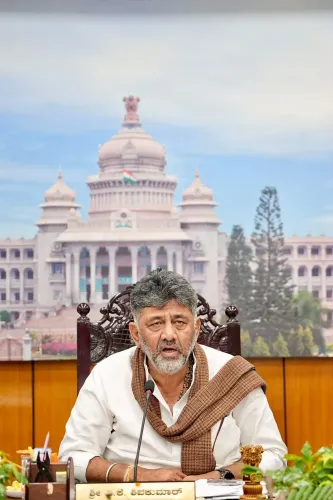
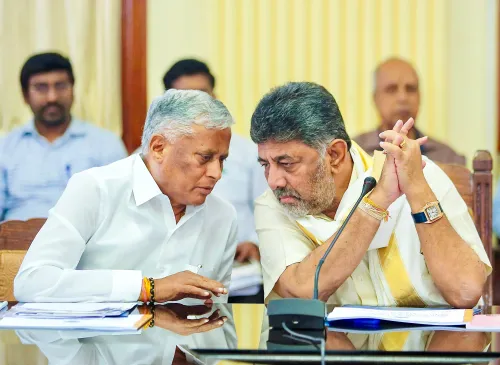
Bengaluru is getting a blueprint for the next decade — and the ambition behind it is staggering. Chief Minister D.K. Shivakumar chaired a high-level review meeting with the city's MLAs and MLCs on Tuesday, 27 October 2026, presenting a sweeping infrastructure agenda that spans tunnels, metro lines, suburban rail, water supply and waste management — anchored by a ₹1 lakh crore investment target tied to Bengaluru's 500th anniversary in 2037.
Tunnels, elevated corridors and 1,500 km of road upgrades
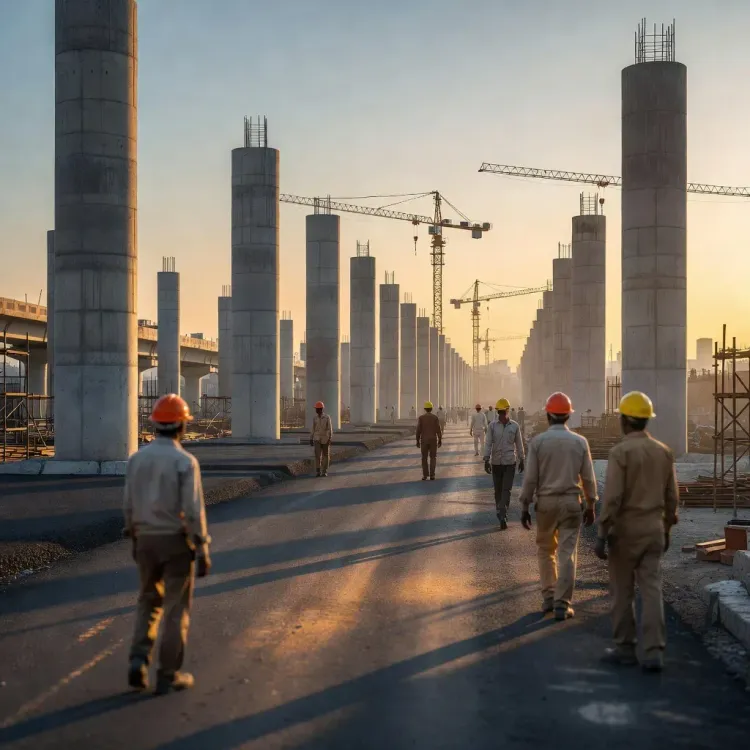
The road infrastructure component alone is extraordinary in scale. The plan envisions 40 km of tunnel corridors, 120 km of elevated corridors and 500 km of new road connections — alongside upgrades to a sprawling 1,500 km network of arterial and sub-arterial roads. Three flagship projects define the near-term pipeline: the redevelopment of the 17 km Outer Ring Road, a proposed 37 km double-decker road and an 18 km white-topping project on the city's outskirts.
The Outer Ring Road is already Bengaluru's backbone for IT corridor traffic — its redevelopment signals an acknowledgement that the city's existing arteries are buckling under growth that few planners fully anticipated.
Metro to 170 km by 2027, suburban rail by 2030
On mass transit, the government has set two firm milestones. The Namma Metro network is slated to expand from its current 96 km to 170 km by 2027 — an addition of 74 km in roughly a year. Complementing that, 150 km of suburban rail connectivity is targeted for completion by 2030. The city's bus fleet will be augmented by 4,500 new buses, added to an existing fleet of 7,000 — a 64 percent jump in capacity.
Bengaluru Metro's Phase 1 and Phase 2 corridors were sanctioned and built across two decades; this next leg of expansion, if delivered on schedule, would represent the fastest growth in the network's history.
Cauvery Stage 6 and the 65 gram panchayats outside GBA limits
Water supply is the city's perennial pressure point. The government confirmed it will take up Cauvery Stage 6 — the next phase of a drinking water supply project with roots stretching back to the 1970s — to meet Bengaluru's mounting demand. The Cauvery project has been a generational infrastructure commitment for successive Karnataka governments.
In a notable inclusion, the plan extends drinking water, sewerage and road infrastructure in a phased manner to 65 urbanised gram panchayats that fall outside the Greater Bengaluru Authority (GBA) limits — acknowledging that the city's real footprint has long outgrown its administrative boundaries.
Waste management gets GPS and restructured contracts
Solid waste management — long a flashpoint for civic frustration — will be tackled through restructured garbage collection contracts, GPS-enabled vehicles and stricter monitoring. It is a targeted, operational fix rather than a grand structural overhaul, but it addresses one of the most visible daily complaints from residents.
The ₹1 lakh crore question: funding a 500-year city's future
Binding the entire agenda together is a 10-year development roadmap running up to 2037, when Bengaluru marks its 500th year. The estimated investment requirement of ₹1 lakh crore is an eye-catching number — and the mechanism for mobilising those funds, whether through central grants, state budgets, bonds or private capital, will be the real test of political will. The Chief Minister's Office stated the government is 'committed to ensuring balanced development across all constituencies, providing adequate funding and accelerating priority works.'
For a city that generates a disproportionate share of India's technology exports and tax revenues, the case for transformative infrastructure investment is not hard to make. Whether the timelines survive contact with ground realities is the question Bengaluru's residents will watch most closely.
Point of View
Metro, water and transit — positions the Shivakumar government to claim ownership of Bengaluru's long-term growth story ahead of electoral cycles, much as earlier Karnataka administrations leveraged metro and IT corridor investments as governance signatures. The inclusion of gram panchayats outside GBA limits is politically shrewd: it extends the development dividend to peri-urban voters who often feel left behind by city-centric planning. The real credibility test will be funding architecture — without a clearly articulated mix of central transfers, state capital expenditure and private investment, the ₹1 lakh crore figure risks being read as aspirational rather than actionable. How the government navigates the gap between headline ambition and quarterly execution will define whether this blueprint shapes Bengaluru's centenary or merely its headlines.
NationPress
28 Oct 2026
Frequently Asked Questions
What is the Bengaluru 10-year infrastructure plan announced by CM Shivakumar?
Chief Minister D.K. Shivakumar announced a 10-year development roadmap for Bengaluru requiring an estimated ₹1 lakh crore in investment, covering roads, metro expansion, suburban rail, water supply, buses and waste management — to be completed by Bengaluru's 500th anniversary in 2037.
When will Bengaluru Metro expand to 170 km?
The government has set 2027 as the target year to expand the Namma Metro network from its current 96 km to 170 km.
What is Cauvery Stage 6 and why is it important for Bengaluru?
Cauvery Stage 6 is the next planned phase of the Cauvery drinking water supply project, a multi-decade infrastructure programme that has served Bengaluru since the 1970s. The new stage is intended to meet the city's growing water demand.
How many new buses will be added to Bengaluru's fleet?
The plan proposes adding 4,500 new buses to the existing fleet of 7,000, increasing the city's public bus capacity by approximately 64 percent.
What are the major new road projects planned for Bengaluru?
Key road projects include 40 km of tunnel corridors, 120 km of elevated corridors, 500 km of new road connections, upgrades to 1,500 km of arterial roads, redevelopment of the 17 km Outer Ring Road, a 37 km double-decker road and an 18 km white-topping project.