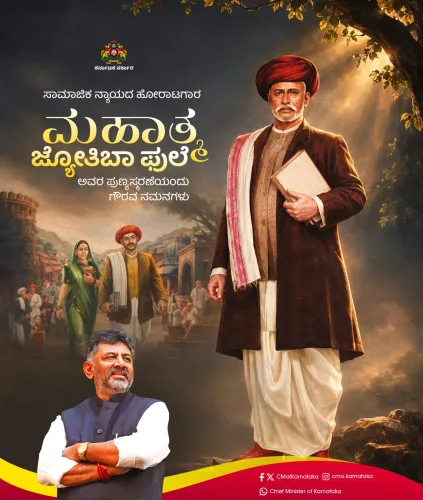
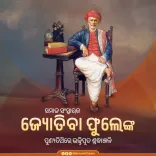
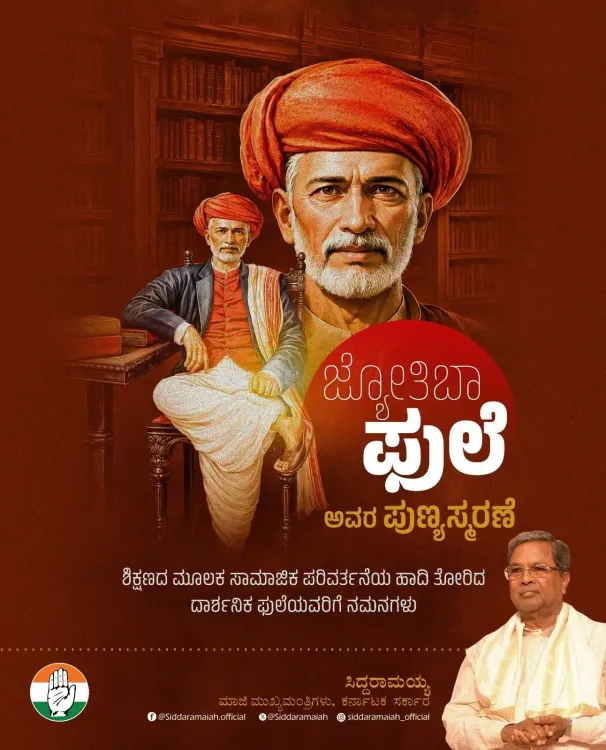
CM Siddaramaiah pays homage to Mahatma Jyotiba Phule
Synopsis
Karnataka Chief Minister Siddaramaiah paid homage to Mahatma Jyotiba Phule on his death anniversary, calling him the reformer who made women's and Dalit education weapons of social struggle. He credited Phule and Savitribai with opening schools for the oppressed and said Satyashodhak Samaj's rationalist ideas remain a living call to equality.
Key Takeaways
Karnataka Chief Minister Siddaramaiah paid homage to Mahatma Jyotiba Phule on his 28 November death anniversary.
He said Phule made women's education and Dalit education the weapons of his struggle for social justice in India.
Siddaramaiah credited Phule and Savitribai Phule with opening education to women and oppressed communities.
He said Satyashodhak Samaj's anti-superstition, rationalist ideas still guide social transformation.
Phule opened the first school for girls in Pune in 1848 and founded Satyashodhak Samaj in 1873.
Siddaramaiah described Phule's call to follow human dharma based on equality, rationality and humanity as eternally relevant.
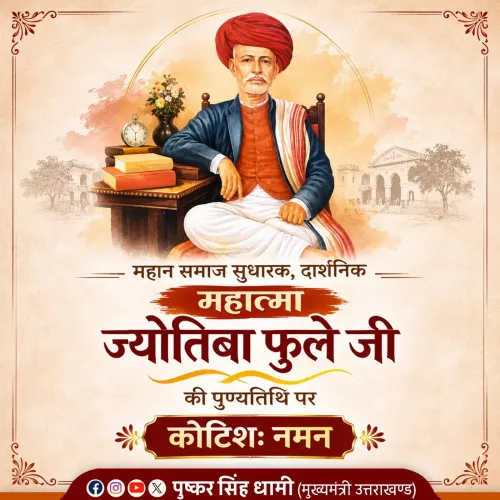
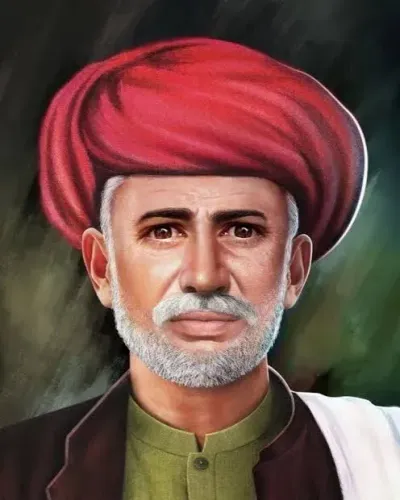
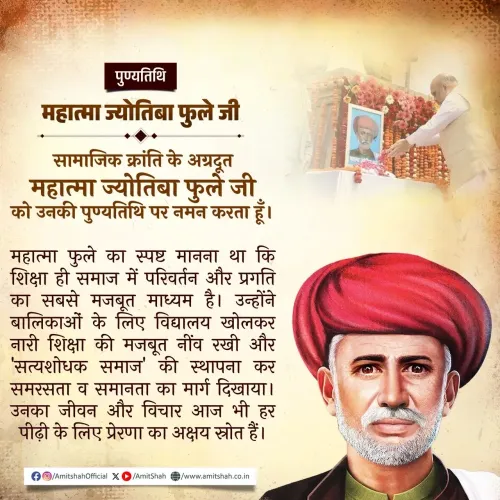
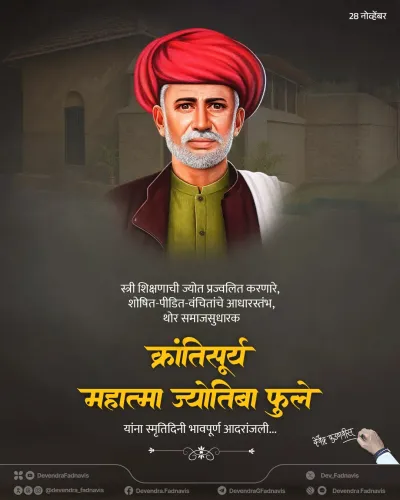
On the death anniversary of a 19th-century reformer who turned classrooms into a battlefield against caste, Karnataka Chief Minister Siddaramaiah on 28 November paid homage to Mahatma Jyotiba Phule. The Congress leader said Phule made women's education and Dalit education the weapons of his struggle, laid a firm foundation for India's social-justice movement, and believed transformation was possible only through learning.
In a Kannada message, Siddaramaiah wrote that Phule fought lifelong against poverty, illiteracy, exploitation and inequality. Together with Savitribai Phule, he said, Jyotiba opened the doors of education for women and oppressed communities.
He recalled that anti-superstition and anti-orthodoxy ideas sown through the Satyashodhak Samaj still awaken people and push society along the path of change. Phule, he added, called on people to step out of narrow feelings raised in the name of religion, caste, sect and tradition, and to follow a human dharma rooted in equality, rationality and humanity — thoughts he described as eternally relevant.
The 1848 Pune school and Satyashodhak Samaj
Jyotirao Govindrao Phule, remembered as Mahatma Jyotiba Phule, established the first school for girls in Pune in 1848. Savitribai Phule, often described as India's first female teacher, taught there and later expanded that work to other schools for girls and oppressed communities.
In 1873 Phule founded the Satyashodhak Samaj to promote rationalism, equality and education against caste hierarchy. Siddaramaiah's tribute framed that lineage as a living programme: education as the route out of poverty and social exclusion, not merely a memorial slogan.
A homage that names equality as human dharma
The Chief Minister described Phule as a writer, philosopher, humanist and a rebel voice against exploitation who dedicated his life to building an equal society. On Phule's punyasmarane (death anniversary), Siddaramaiah said he remembered that selfless service with respect and offered his salutations.
State leaders across India routinely mark this date — Phule's death anniversary falls on 28 November — to underline social-justice themes. In Karnataka, Congress governments have long invoked the Phule-Ambedkar tradition when arguing for education and reservation for marginalised groups. The unfinished test is whether the homage travels from the calendar into classrooms.
Frequently Asked Questions
When is Jyotiba Phule's death anniversary?
Mahatma Jyotiba Phule's death anniversary is observed on 28 November each year. Karnataka Chief Minister Siddaramaiah issued a tribute on that date, recalling Phule's work for women's and Dalit education.
Who was Mahatma Jyotiba Phule?
Jyotirao Govindrao Phule was a 19th-century social reformer who advocated education for women and lower castes. He opened the first school for girls in Pune in 1848 and founded the Satyashodhak Samaj in 1873.
What is Satyashodhak Samaj?
Satyashodhak Samaj is a reform organisation Phule founded in 1873 to promote rationalism, equality and education against caste discrimination. Siddaramaiah said its anti-superstition ideas still awaken people.
What did Siddaramaiah say about Savitribai Phule?
He said Jyotiba Phule, together with Savitribai Phule, opened the doors of education for women and oppressed communities. Savitribai is remembered as India's first female teacher and Phule's partner in that school movement.
Why do Karnataka leaders remember Jyotiba Phule?
State leaders mark Phule's death anniversary to highlight social-justice themes. In Karnataka, Congress governments have historically invoked the Phule-Ambedkar legacy when framing education and reservation policies for marginalised groups.