Odisha CM Majhi says cyclone Akban relief is underway
Synopsis
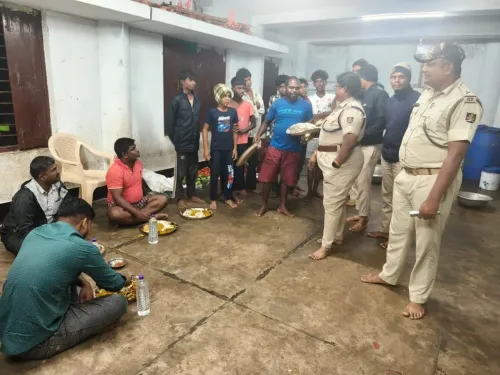
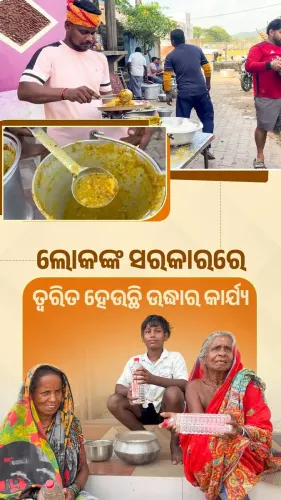
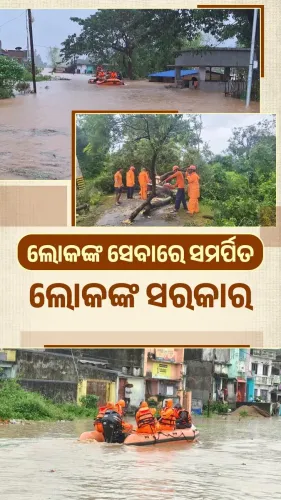
Odisha Chief Minister Mohan Charan Majhi said relief and restoration after cyclone Akban are underway, with aid matched to people's needs. He placed the response under Lokanka Sarkar, calling timely support and safety of the affected the government's highest priority in a crisis.
Key Takeaways
Odisha Chief Minister Mohan Charan Majhi said on 28 November 2026 that relief after cyclone Akban is underway in affected areas.
Assistance is being delivered according to people's needs, according to his post on X.
He placed the response under Lokanka Sarkar , calling timely support and safety of the affected the top priority in a crisis.
Majhi has been Chief Minister since June 2024 after the BJP's assembly election victory.
Odisha's cyclone playbook was rebuilt after the 1999 super cyclone and was tested during cyclone Fani in 2019 .
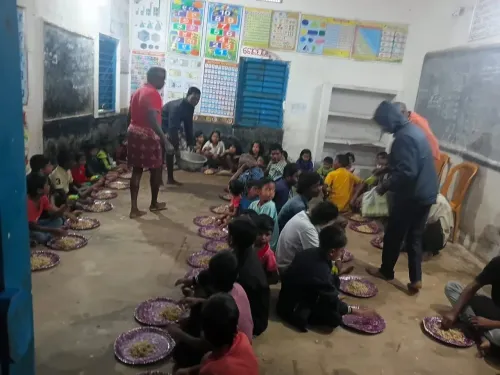
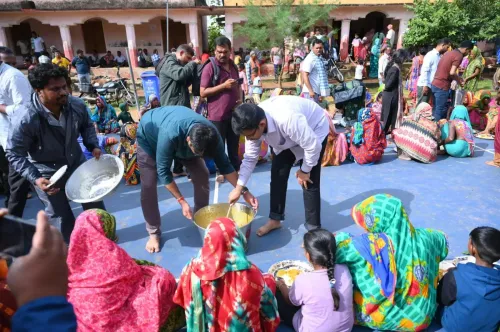
When a Bay of Bengal storm hits Odisha, the hours that decide lives are the ones after the wind drops — when power is down, roads are blocked, and families wait for food, tarpaulin and a safe roof. Odisha Chief Minister Mohan Charan Majhi on Saturday said that clock is already running: relief and restoration after cyclone Akban are underway in damaged areas, matched to people's needs, with timely support and safety treated as the state's highest priority.
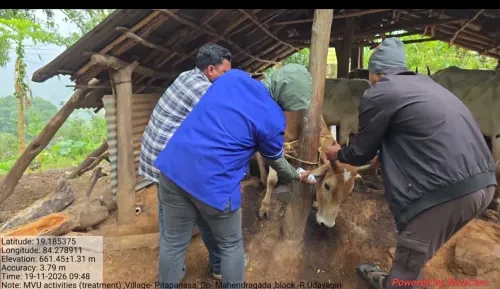
In Odia, he said that after cyclone Akban (ବାତ୍ୟା ଅକବାନ), relief and restoration work is being given importance, and assistance is reaching affected areas according to people's requirements. The English portion of the same post put it plainly: 'Relief and restoration efforts are underway in cyclone-affected areas, with assistance reaching people as per their needs. Under Lokanka Sarkar, ensuring timely support and the safety of affected people remains the top priority during crises.'
Needs-based relief after cyclone Akban
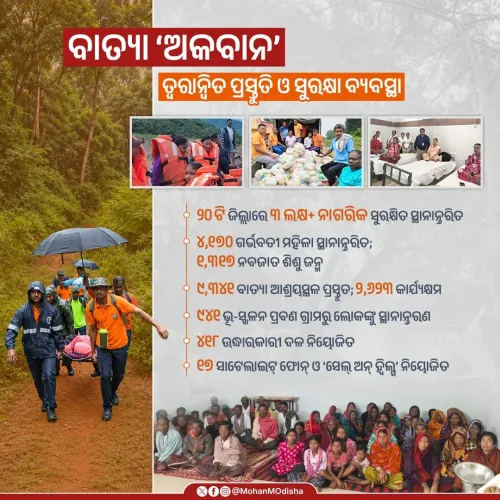
The Chief Minister's emphasis was not a generic dump of supplies. It was matching aid to what households in the damaged belt actually require. He did not list districts, casualty figures or a restoration deadline. The operational claim was simpler: help is moving, and it is being tuned to need.
Lokanka Sarkar in a disaster hour
Lokanka Sarkar — literally a government of the people — is the slogan the Majhi administration has used to brand direct, people-centric delivery since taking office in June 2024. In this post, that slogan is being placed against a familiar Odisha emergency: a cyclone and its aftermath.
Majhi, a BJP leader who became Chief Minister after the party's 2024 assembly victory, framed crisis response as the moment a government must physically reach the affected, not merely announce packages. Immediate assistance and safety, he said, sit at the top of the priority list.
Odisha's cyclone-response muscle memory
Eastern India's coastal state has spent a quarter-century turning cyclone response into a core function of government. After the 1999 super cyclone, Odisha built one of the country's most practised warning-and-evacuation systems. During cyclone Fani in 2019, mass movement of people and early alerts produced a near-zero casualty record that became a national reference point.
Successive state governments have treated rapid, needs-based relief and restoration as the second half of that playbook, often coordinating with the National Disaster Response Force. Coastal district administrations remain the first line once the storm has passed.
What comes next is the unglamorous grind: restoration timelines, power and roads, and whether additional central resources are sought. Majhi's message on Saturday was that the first mile — reaching people now — is already the assignment. For a coastline trained by repeated Bay of Bengal storms, the test after landfall is brutally simple: does help arrive in the shape people actually need?
Point of View
Signalling that the BJP government wants to be seen at the door of the affected, not only in the control room. The post is deliberately light on numbers — no districts, no casualty count, no deadline — which keeps the first public frame on presence and priority. The next test will be restoration timelines and whether coastal administrations, and any central backup, can convert that priority into roofs, power and roads.
NationPress
28 Nov 2026
Frequently Asked Questions
What did Odisha CM Mohan Charan Majhi say about cyclone Akban?
He said relief and restoration work after cyclone Akban is underway in affected areas, with assistance reaching people according to their needs. He added that under Lokanka Sarkar, timely support and the safety of affected people is the top priority during crises.
What is Lokanka Sarkar in Odisha?
Lokanka Sarkar is the slogan used by the Mohan Charan Majhi government to describe people-centric administration and direct delivery of services. In the cyclone update, the Chief Minister invoked it to stress that the government must reach affected people quickly in a crisis.
When did Mohan Charan Majhi become Chief Minister of Odisha?
Mohan Charan Majhi became Chief Minister of Odisha in June 2024 after the BJP won the state assembly elections. He is a BJP leader.
How has Odisha prepared for cyclones in the past?
After the 1999 super cyclone, Odisha built one of India's most developed cyclone preparedness and evacuation systems. During cyclone Fani in 2019, early warnings and mass evacuations produced a near-zero casualty record.
Did the Odisha CM announce casualty figures or district names after cyclone Akban?
No. The 28 November 2026 post did not list casualty figures, named districts, or a restoration deadline. It focused on needs-based relief and the priority of safety and timely support.