CM Dhami hails Cabinet nod to delimitation amendment bill
Synopsis
Uttarakhand CM Pushkar Singh Dhami said the Union Cabinet under PM Narendra Modi had approved a delimitation amendment bill. He argued it would raise Lok Sabha seats by up to 50 percent in every state and unlock 33 percent women's reservation for the 2029 election after the long freeze on seat shares.
Key Takeaways
Uttarakhand Chief Minister Pushkar Singh Dhami on 28 November 2026 said the Union Cabinet under Prime Minister Narendra Modi had approved a delimitation amendment bill.
He said the bill would allow Lok Sabha seats in all states to rise by up to 50 percent .
He linked the same step to 33 percent reservation for women in the 2029 Lok Sabha election.
Parliament in September 2023 passed a women's reservation amendment that takes effect only after delimitation.
The 84th Constitutional Amendment Act of 2001 froze state-wise Lok Sabha seat shares until the first census after 2026 .
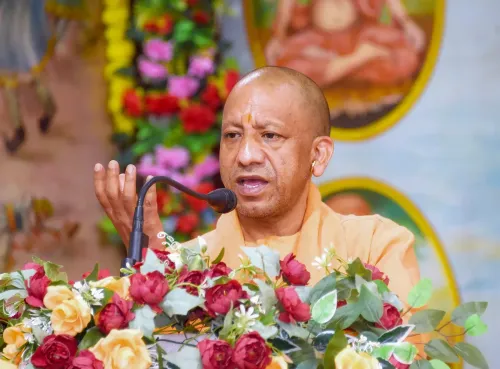
Uttarakhand Chief Minister Pushkar Singh Dhami on Saturday said the Union Cabinet, chaired by Prime Minister Narendra Modi, had approved a delimitation amendment bill and called the decision a vital step toward a stronger and more inclusive democracy. In a post on X, he said the measure would open the way for an increase of up to 50 percent in Lok Sabha seats in every state and for 33 percent reservation for women in the 2029 general election.
Dhami wrote that expanding the House would widen representation in Parliament and give regions a stronger platform to raise people's problems and aspirations. He framed the Cabinet action as making the country's democratic system more sashakt evam samaveshi (strong and inclusive).
Dhami's claim of a 50 percent seat rise
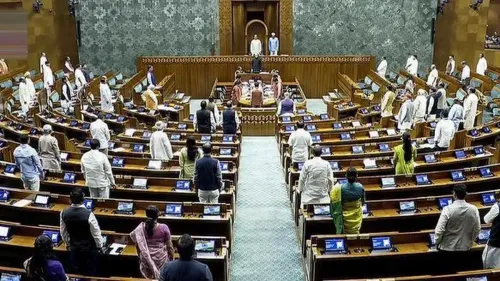
The chief minister said approval of the bill would pave the way for a rise of up to 50 percent in the number of Lok Sabha seats across all states. That, he argued, would enlarge the space for public representatives and help diverse regions put their concerns before the House more effectively.
He did not spell out a state-by-state map or a date for a delimitation commission. Those details sit outside his post.
Women's quota and the 2029 election
Dhami linked the same Cabinet step to gender reservation. He said it would clear the path for 33 percent of seats for women in the 2029 Lok Sabha election, giving matrishakti (women's power) a larger share in national decision-making. Women, he added, would then be able to press issues of rights and interests more firmly and take an active role in shaping national policy.
Parliament in September 2023 passed a constitutional amendment reserving one-third of seats for women in the Lok Sabha and state assemblies. That law deferred implementation until after a delimitation exercise based on a future census. A similar one-third quota has operated in local bodies since the 73rd and 74th Constitutional Amendments of 1992.
The 2001 freeze still holding the map
The number of Lok Sabha seats allotted to each state has been locked for more than two decades. The 84th Constitutional Amendment Act of 2001 froze that allocation until the first census taken after 2026, a pause meant to avoid penalising states that had slowed population growth.
Any redrawing of constituencies, and any rise in the size of the House, would turn on that census and on the notification of a delimitation commission. Those instruments, not a single social-media post, would decide how many seats each state actually takes into the 2029 contest.
The census due after 2026 and the commission that may follow it will determine whether the larger House and the women's quota Dhami praised move from a Cabinet claim onto the electoral map.
Point of View
And the women's quota Parliament passed in 2023 but parked until delimitation. Both depend on the census after 2026 and on a commission that has not yet been described in public law beyond the chief minister's account. The politics are familiar. States that grew faster want more seats, states that slowed fertility fear losing relative weight, and parties want credit for expanding women's representation without fighting a simultaneous north-south redistribution war. The post therefore reads as a BJP state leader locking the party to an expansion-plus-quota frame well before the 2029 campaign.
NationPress
28 Nov 2026
Frequently Asked Questions
What did Uttarakhand CM Pushkar Dhami say about the delimitation bill?
Pushkar Singh Dhami said the Union Cabinet chaired by Prime Minister Narendra Modi had approved a delimitation amendment bill. He called it an important step toward a stronger and more inclusive democracy and said it would allow Lok Sabha seats in all states to rise by up to 50 percent.
Will Lok Sabha seats increase by 50 percent?
Dhami stated that the bill he says the Cabinet approved would pave the way for an increase of up to 50 percent in Lok Sabha seats across states. Seat numbers remain frozen under the 84th Constitutional Amendment until after the first census following 2026, and any actual increase would depend on a future delimitation exercise.
When will 33 percent women's reservation in the Lok Sabha start?
The 2023 constitutional amendment reserves one-third of seats for women but ties implementation to delimitation after a census. Dhami said the Cabinet move would open the path for that quota in the 2029 Lok Sabha election.
What is the 84th Constitutional Amendment Act?
It is the 2001 amendment that froze the allocation of Lok Sabha seats among states until the first census after 2026. The freeze was designed so states that had slowed population growth would not lose representation.
How is delimitation linked to women's reservation?
The women's reservation amendment passed in September 2023 deferred operationalisation until after the next delimitation. Dhami presented Cabinet approval of a delimitation amendment as the step that would unlock the 33 percent quota for 2029.