Delimitation Bill nod paves way for women's quota in 2029: Yogi
Synopsis
The women's reservation law has been waiting on delimitation since 2023. Yogi Adityanath says the Cabinet's nod now opens the door to 33% quota by 2029. The plan raises seats by 50% while freezing state shares on 2011 Census lines, and the Chief Minister is urging UP's 80 MPs to back it.
Key Takeaways
UP CM Yogi Adityanath welcomed the Union Cabinet's approval of the Delimitation Bill on 28 November 2026 .
He said it paves the way for 33% women's reservation under the Nari Shakti Vandan Adhiniyam in the 2029 Lok Sabha polls .
Seats in Parliament and State Assemblies are set to rise by 50% , with state shares kept on 2011 Census proportions.
Reservation will apply for 15 years initially, with seat rotation managed by the ECI .
Adityanath urged all 80 UP Lok Sabha MPs to support the bill.
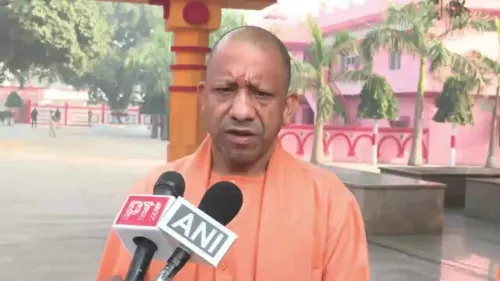
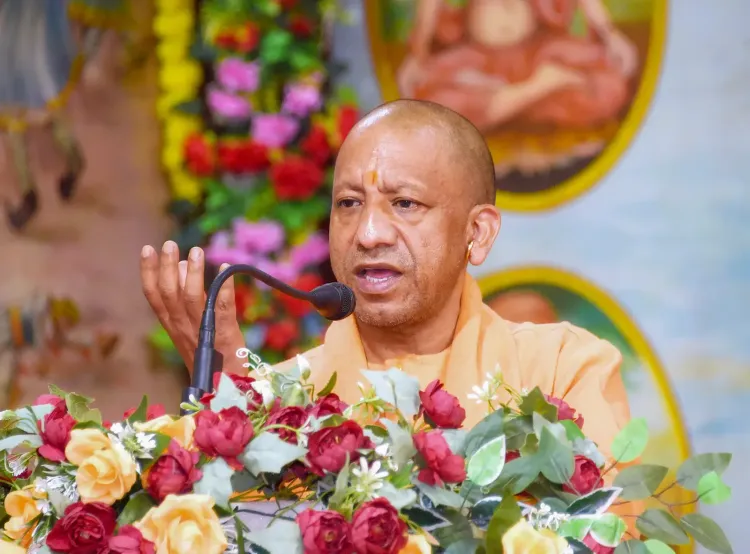
Uttar Pradesh Chief Minister Yogi Adityanath has welcomed the Union Cabinet's approval of the Delimitation Bill, saying it clears the way for the 'Nari Shakti Vandan Adhiniyam' to take effect in the 2029 Lok Sabha elections. Speaking in Lucknow on 28 November 2026, he thanked Prime Minister Narendra Modi and said the move would make 33 per cent reservation for women in Parliament and State Legislative Assemblies possible.
Key Developments
According to Adityanath, the Cabinet's approval sets the stage for a 50 per cent increase in the number of seats in Parliament and State Legislative Assemblies. He described this as the step needed to put the women's reservation law into practice.
“Under the leadership of Prime Minister Modi, the 'Nari Shakti Vandan Adhiniyam' has already been passed by Parliament. The Cabinet's approval of the Delimitation Bill now clears the path for a 50 per cent increase in the number of seats in Parliament and State Legislative Assemblies,” the Chief Minister said.
How Seats Will Be Allocated
Adityanath said a central feature of the proposal is that each state's existing share of Lok Sabha seats will be kept intact, based on the 2011 Census. The total number of seats will then be increased in proportion.
He said this formula ensures that no state's share of representation is affected. Notably, this point bears on a long-running concern. Several states have argued in past debates that delimitation based on newer population figures could reduce their relative weight in Parliament.
The Chief Minister added that women's reservation will initially apply for 15 years. The rotation of reserved seats will be managed by the Election Commission of India (ECI).
Appeal to Uttar Pradesh MPs
Calling the measure “a historic and welcome initiative aimed at ensuring at least 33 per cent representation for India's female population -- who constitute half of the country -- in Parliament and State Legislative Assemblies,” Adityanath urged all 80 Lok Sabha MPs from Uttar Pradesh to back the bill.
Uttar Pradesh sends more members to the Lower House than any other state, so the votes of its MPs carry significant weight in any legislative push. The Chief Minister asked them to help ensure the Adhiniyam can be implemented in time for the 2029 general election.
“The empowerment of women is the foundation for building a prosperous India. This represents a golden opportunity to strengthen the resolve for an 'Atmanirbhar Bharat' and a 'Viksit Bharat'. All elected representatives should extend their support and cooperation to this significant initiative,” he said.
Why It Matters
The women's reservation law was passed by Parliament in 2023, but its rollout was linked to a fresh delimitation exercise. That made the Delimitation Bill a practical prerequisite. With Cabinet approval in place, attention now shifts to the bill's passage in Parliament.
Debate over the seat-allocation formula, the 15-year sunset and the rotation mechanism is likely to shape the run-up to 2029. Lawmakers across parties will now have to decide on the bill.
Point of View
But it does so by postponing that fight rather than resolving it. A 50% expansion of legislatures is a large structural change with costs and implications of its own, and it deserves scrutiny beyond its role as a vehicle for women's reservation. The 15-year sunset and ECI-managed rotation also raise a real question: will rotating seats let women build lasting constituencies, or turn their representation into a temporary allocation? The 2023 law's promise will be judged by how fairly these details are settled, not by the Cabinet's approval alone.
NationPress
28 Nov 2026
Frequently Asked Questions
What did Yogi Adityanath say about the Delimitation Bill?
Yogi Adityanath welcomed the Union Cabinet's approval of the Delimitation Bill and thanked PM Narendra Modi. He said it paves the way for 33% women's reservation under the Nari Shakti Vandan Adhiniyam in the 2029 Lok Sabha elections.
How many seats will increase under the Delimitation Bill?
According to Adityanath, the bill clears the path for a 50 per cent increase in seats in Parliament and State Legislative Assemblies. Each state's existing share of Lok Sabha seats will be kept on the basis of the 2011 Census.
Will any state lose representation after delimitation?
No, according to the Chief Minister. He said existing state-wise seat proportions will be preserved and total seats increased accordingly, so no state's share is affected.
How long will women's reservation last?
Women's reservation will initially be implemented for 15 years, Adityanath said. The rotation of reserved seats will be managed by the Election Commission of India.
What is the Nari Shakti Vandan Adhiniyam?
It is the women's reservation law passed by Parliament in 2023. It provides 33% reservation for women in the Lok Sabha and State Legislative Assemblies, and its implementation is linked to delimitation.