CM Soren Conducts Online Inspection of KGBV School in Bundu
Synopsis
Jharkhand Chief Minister Hemant Soren conducted an online video-call inspection of the Kasturba Gandhi Balika Awasiya Vidyalaya in Bundu during a departmental review, checking facilities and speaking with staff. He reaffirmed the government's commitment to holistic progress for girls in education and beyond.
Key Takeaways
CM Hemant Soren inspected KGBV Bundu via video call during a School Education and Literacy Department review on 27 May 2026 .
The school was on vacation at the time; Soren spoke with the warden and staff present on campus.
Girls at the school are reported to be performing well in smart classes, computers, painting, and sports .
The CM reviewed the kitchen and drinking water facilities through the live video link.
The KGBV scheme , launched nationally in 2004 , targets girls from SC/ST, OBC, and minority communities in educationally backward blocks.
Soren stated the government's goal is for children and daughters to advance in education and every field .
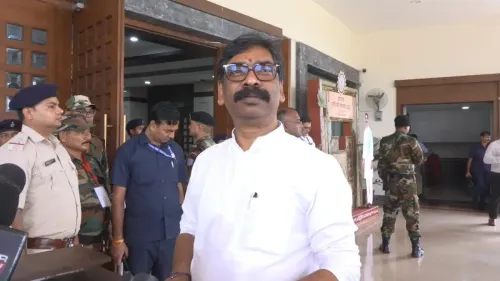
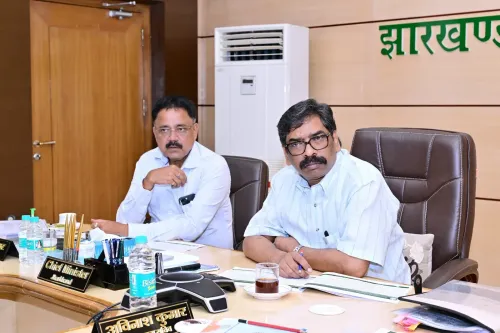
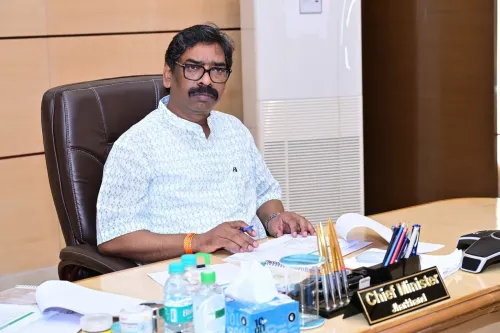
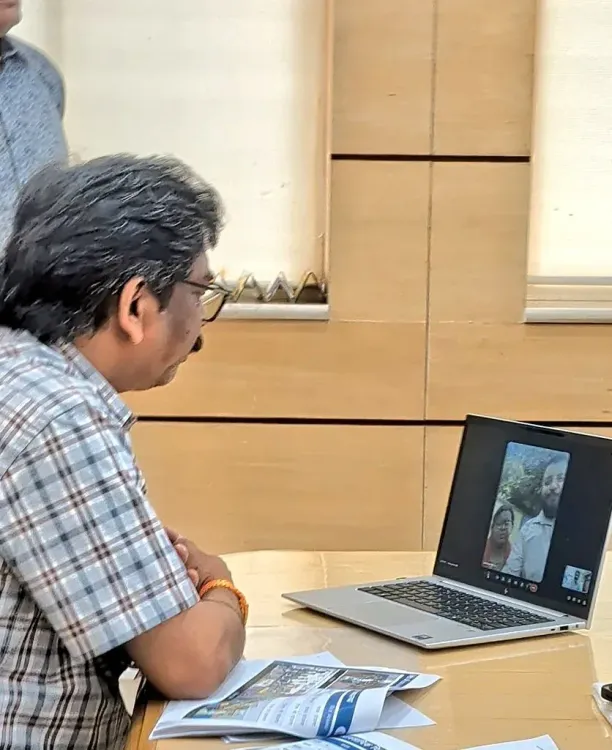
Jharkhand Chief Minister Hemant Soren conducted a surprise online inspection of the Kasturba Gandhi Balika Awasiya Vidyalaya (KGBV) in Bundu, Ranchi district, via video call during a departmental review on Wednesday, 27 May 2026. Soren spoke directly with the warden and staff present at the school, examining facilities including the kitchen and drinking water arrangements in real time.
What the CM Observed
Posting about the inspection on X, Soren wrote — 'कल स्कूली शिक्षा एवं साक्षरता विभाग की समीक्षा के दौरान वीडियो कॉलिंग के जरिए कस्तूरबा गांधी बालिका आवासीय विद्यालय, बुंडू का ऑनलाइन निरीक्षण किया' [Yesterday, during a review of the School Education and Literacy Department, I conducted an online inspection of Kasturba Gandhi Balika Awasiya Vidyalaya, Bundu, via video call]. He noted the school is currently in its vacation period and students have returned home. Staff informed him that the school has girls performing well across smart classes, computers, painting, and sports.
Soren was also informed that the school currently enrols girls who are progressing in multiple disciplines beyond academics. The Chief Minister personally reviewed the status of the kitchen and drinking water supply through the video link, signalling attention to basic amenities alongside academic infrastructure.
Context: KGBV and Jharkhand's Education Focus
The Kasturba Gandhi Balika Vidyalaya scheme was launched by the central government in 2004 to address gender gaps in rural secondary education, with a specific focus on girls from Scheduled Caste, Scheduled Tribe, Other Backward Class, and minority communities in educationally backward blocks. Bundu block in Ranchi district is home to a significant tribal population, making such residential schools a critical intervention for first-generation learners.
Under the Hemant Soren government's 2019–2024 education initiatives, Jharkhand expanded smart classrooms and upgraded residential facilities in tribal blocks. The School Education and Literacy Department conducts periodic performance reviews of these schools to track infrastructure, enrolment retention, and learning outcomes.
Policy Backdrop: Digital Audits and Girl-Child Education
Jharkhand governments have increasingly used infrastructure audits and digital access drives in KGBVs to improve retention among girls from remote tribal areas. The video-call inspection model reflects a broader administrative push to make oversight more responsive without requiring physical visits to distant blocks.
Soren's post underscored the state's stated goal: 'शिक्षा के साथ सभी क्षेत्र में हमारे बच्चे, हमारी बेटियां आगे बढ़े, यही हमारी कोशिश है' [Our effort is that our children, our daughters, progress in education and every other field]. This framing aligns the inspection with the government's broader tribal welfare and gender-equity agenda.
Stakeholders and Impact
The primary beneficiaries of KGBVs in Jharkhand are girls from tribal and rural communities who would otherwise face significant barriers to secondary education — including distance, economic constraints, and social norms. Residential schooling with amenities like smart classes and computer labs is designed to bridge the digital and educational divide for this demographic.
For local communities in Bundu and similar blocks, the Chief Minister's direct engagement signals administrative accountability at the highest level. Warden staff and district education officers are now on notice that school conditions — from classrooms to kitchens — are subject to unannounced remote review.
What's Next
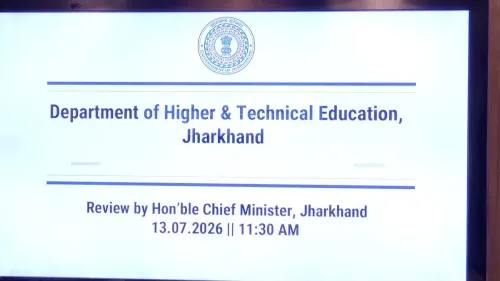
The inspection was conducted as part of a wider School Education and Literacy Department review, suggesting similar audits of other KGBV and residential schools across Jharkhand may follow. Observers will watch whether the state's next budget cycle allocates additional funds for upgrading digital infrastructure, kitchen facilities, and drinking water systems in tribal residential schools. The outcome of such reviews often feeds into state-level planning for central scheme utilisation under Samagra Shiksha and related programmes.
Point of View
Two pillars of the JMM's political identity. The use of remote digital audits reflects a broader pattern among state governments of leveraging technology to project accountability without the logistical cost of field visits. For Jharkhand, where KGBV schools serve some of the most educationally marginalised communities, such high-visibility reviews can influence district-level compliance and staff responsiveness. Whether this translates into sustained infrastructure upgrades or remains a periodic optics exercise will depend on follow-through in budget allocations and monitoring frameworks.
NationPress
12 Oct 2026
Frequently Asked Questions
What is Kasturba Gandhi Balika Awasiya Vidyalaya?
Kasturba Gandhi Balika Awasiya Vidyalaya (KGBV) is a central government residential school scheme launched in 2004 to provide quality secondary education to girls from SC/ST, OBC, and minority communities in educationally backward blocks across India.
Why did CM Hemant Soren inspect a school via video call?
Soren conducted the online inspection during a scheduled review of the School Education and Literacy Department, using video calling to assess facilities and speak with staff at KGBV Bundu without requiring a physical visit.
Where is KGBV Bundu located?
KGBV Bundu is located in Bundu block, Ranchi district, Jharkhand, an area with a significant tribal population that the school is designed to serve.
What facilities did CM Soren check during the inspection?
Soren reviewed smart classrooms, computer access, extracurricular activities including painting and sports, as well as the school kitchen and drinking water supply through the live video link.
What is Jharkhand's broader policy on tribal girls' education?
The Jharkhand government, under Hemant Soren, has expanded smart classrooms and residential facilities in tribal blocks and conducts periodic reviews of KGBV schools to improve enrolment retention and learning outcomes for girls from remote communities.