138 US lawmakers demand release of $7.5 billion in global health funds
Synopsis
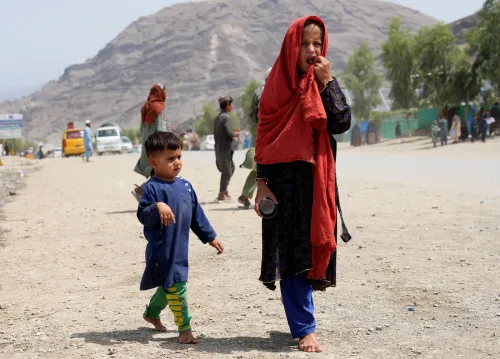
A bipartisan bloc of 138 US lawmakers is warning that $7.5 billion in congressionally approved global-health funding could expire on 30 September — potentially causing 170,000 preventable deaths and denying nutrition to 22.9 million children. At the heart of the dispute: $1.35 billion reportedly being diverted to shut down USAID instead of funding HIV, TB, and malaria programmes.
Key Takeaways
138 bipartisan US lawmakers sent a bicameral letter on 28 August demanding release of $7.5 billion in international-affairs funding.
The funds risk expiring on 30 September ; delays could contribute to 170,000 preventable deaths and cut nutrition access for 22.9 million children .
Approximately $1.35 billion is reportedly being withheld to cover USAID closure costs rather than fund authorised health programmes.
The letter raises alarm over proposed changes to PEPFAR , which has reportedly saved more than 26 million lives since its creation in 2003 .
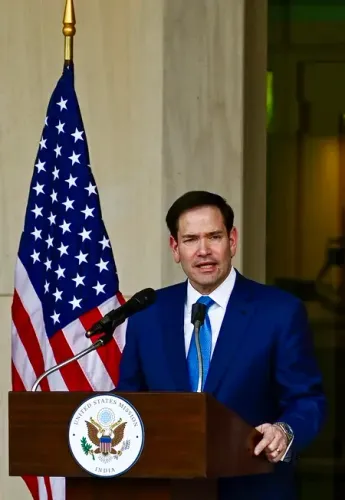
Secretary of State Marco Rubio and OMB Director Russell Vought have been asked to respond by 9 September .
A bipartisan group of 138 US lawmakers has formally demanded that the Trump administration release approximately $7.5 billion in international-affairs funding, warning that inaction could contribute to nearly 170,000 preventable deaths and cut off 22.9 million children from critical nutrition products. The bicameral letter, addressed to Secretary of State Marco Rubio and Office of Management and Budget (OMB) Director Russell Vought, was submitted on 28 August and sets a response deadline of 9 September.
What Is at Stake
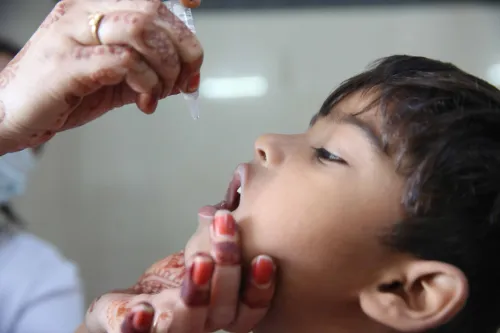
The lawmakers warned that the funds — which remain unobligated — risk expiring on 30 September, the end of the US fiscal year. The package includes more than $3 billion appropriated by Congress specifically for global-health programmes covering HIV/AIDS, tuberculosis, malaria, maternal and child health, malnutrition, and emerging health threats.
According to the letter, allowing the funding to lapse could contribute to 121,000 deaths from tuberculosis and 47,600 deaths from malaria, while lifesaving nutrition products would become unavailable to millions of children.
USAID Closure Funds at the Centre of the Dispute
Lawmakers flagged that approximately $1.35 billion of the withheld money was reportedly being redirected to cover costs associated with closing the US Agency for International Development (USAID) — rather than being deployed for the health programmes Congress had authorised. The OMB had reportedly informed Congress of this planned reallocation.
The letter accused the State Department and the budget office of failing to spend global-health funding as directed by law, arguing the administration carries a legal obligation to use appropriated money for its congressional-approved purposes. 'This hardship can be prevented if the Administration spends these funds as Congress directed,' the lawmakers wrote.
PEPFAR Concerns
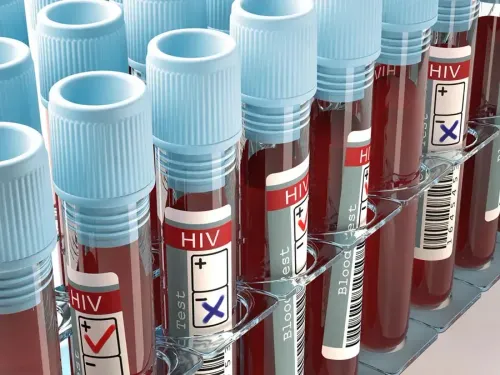
The letter also raised alarm over proposed changes to the President's Emergency Plan for AIDS Relief (PEPFAR), the flagship US global HIV programme created under President George W. Bush in 2003. Lawmakers noted that PEPFAR has saved more than 26 million lives through HIV treatment and prevention programmes.
They warned that reducing the role of the US Centers for Disease Control and Prevention (CDC) within PEPFAR could disrupt treatment pipelines, weaken international disease surveillance, and diminish America's capacity to contain outbreaks before they reach US soil.
Who Led the Letter
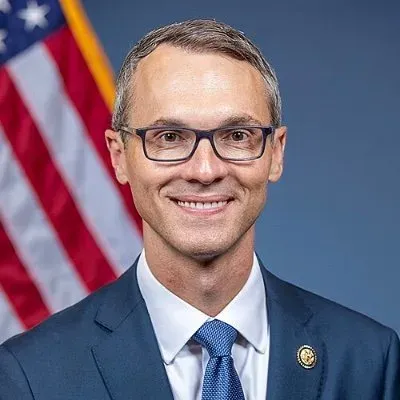
The bicameral effort was spearheaded by Congressman James Walkinshaw, Congressman Gabe Amo, Congresswoman Robin Kelly, and Senator Edward Markey. The group sought detailed answers from Rubio and Vought on the administration's plans to obligate the remaining funds before the fiscal year closes, the public-health consequences of scaling back CDC's PEPFAR role, and the legal authority under which USAID closure costs would be charged against international-affairs appropriations.
What Comes Next
Neither the State Department, the OMB, nor the White House had responded publicly at the time of the announcement. If the funds are not obligated by 30 September, they expire automatically under US budget law — and agencies would be unable to use them unless Congress grants new authority or fresh appropriations. With the deadline weeks away, the pressure on the administration to act is intensifying.
Point of View
And the executive branch is reportedly redirecting a slice of them to wind down USAID — an agency Congress did not vote to abolish. The 30 September expiry deadline is not a soft warning; it is a hard legal cliff. What is striking is the bipartisan breadth — 138 lawmakers crossing party lines signals that global-health funding retains political support even as isolationist sentiment grows. The administration's silence ahead of a nine-day response deadline will itself be read as a signal of intent.
NationPress
12 Oct 2026
Frequently Asked Questions
Why are US lawmakers demanding the release of $7.5 billion in international-affairs funding?
A bipartisan group of 138 US lawmakers says the funds, appropriated by Congress for global-health programmes, remain unobligated and will expire on 30 September if not released. They warn the lapse could contribute to nearly 170,000 preventable deaths and deny nutrition products to 22.9 million children.
What is PEPFAR and why is it under scrutiny?
PEPFAR — the President's Emergency Plan for AIDS Relief — is a US government programme created in 2003 under President George W. Bush to combat the global HIV/AIDS epidemic. Lawmakers warn that proposed changes, including a reduced role for the CDC, could disrupt HIV treatment pipelines, weaken disease surveillance, and threaten lives both abroad and in the United States.
How is USAID's closure connected to the funding dispute?
According to the lawmakers' letter, approximately $1.35 billion of the withheld international-affairs funding is reportedly being used to cover costs associated with closing USAID, rather than for the health programmes Congress authorised. Lawmakers argue this reallocation is legally impermissible without congressional approval.
What happens if the funds are not released before 30 September?
Under US budget law, unobligated appropriations expire at the end of the fiscal year on 30 September. If the $7.5 billion is not committed by that date, agencies cannot use the money unless Congress grants new authority or passes fresh appropriations — a process that could take months.
Who led the bipartisan letter to the Trump administration?
The letter was led by Congressman James Walkinshaw, Congressman Gabe Amo, Congresswoman Robin Kelly, and Senator Edward Markey, and was addressed to Secretary of State Marco Rubio and OMB Director Russell Vought, with a response deadline of 9 September.