US grant rule: 40+ lawmakers warn Trump of science, China risk
Synopsis
More than 40 US lawmakers have formally demanded the Trump administration scrap a proposed grant rule that would let political appointees override peer-reviewed scientific funding decisions. The letter warns the move could cede ground to China in research, gut biomedical progress, and damage the STEM pipeline — a rare bipartisan alarm over the intersection of science policy and geopolitics.
Key Takeaways
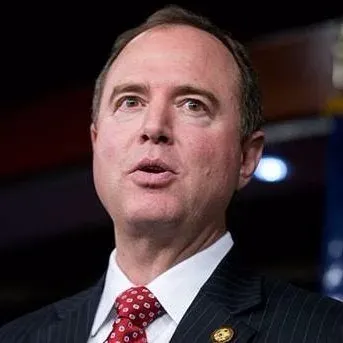
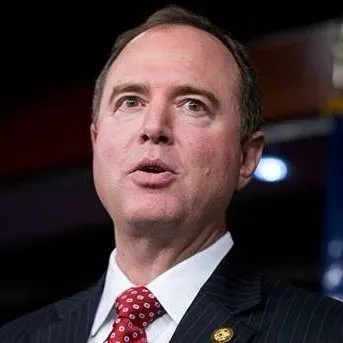
A coalition of more than 40 US lawmakers , led by Senator Adam Schiff and California representatives, wrote to OMB Director Russell Vought on 14 July urging withdrawal of the proposed federal grant rule.
The 'Regulation for Federal Financial Assistance' would give political appointees control over all aspects of the federal grant review process, replacing independent peer review.
Lawmakers warned the rule threatens 75+ years of merit-based scientific funding and could slow research into cancer , Alzheimer's disease , and infectious diseases .
California , one of the largest recipients of federal research funding, is identified as particularly vulnerable.
The letter explicitly warned that China is increasing research investments while the proposed rule could weaken NASA and other federal science agencies.
The OMB has not publicly responded to the lawmakers' demands as of the date of reporting.
A coalition of more than 40 US lawmakers has formally urged the Trump administration to withdraw a proposed federal grant regulation, warning on 14 July that it would politicise scientific funding, erode American innovation and hand a strategic advantage to rivals, particularly China. The letter, addressed to Office of Management and Budget (OMB) Director Russell Vought, was led by California legislators including Senator Adam Schiff, Representative Zoe Lofgren, and Representative Salud Carbajal.
What the Proposed Rule Would Change
The regulation in question — formally titled the 'Regulation for Federal Financial Assistance' — would, according to the lawmakers, fundamentally restructure how federal research grants are awarded across every agency of the US government. Critics argue it would hand political appointees sweeping authority over the grant review process, displacing the peer-review system that has governed scientific funding for more than 75 years.
'The rule is unprecedented, expansive, and applies across the federal government to every agency that reviews grants and other financial assistance proposals. It would allow political appointees to control all aspects of the grant review process, setting the stage for politically motivated decision-making that places the whims of the President over the well-being of the American people,' the lawmakers wrote in their letter.
California's Stake — and the Broader Warning
California, consistently one of the largest recipients of federal research funding and home to globally ranked universities and technology companies, would be disproportionately affected, the signatories argued. They contended that merit-based, independent scientific review has underpinned American advances in medicine, engineering, national security, and technology for decades.
The letter cautioned that replacing peer review with political oversight could slow scientific progress across multiple sectors — from new medical treatments and environmental protection strategies to space exploration technologies. 'The proposed rule would weaken the scientific foundations of experimental research,' the lawmakers wrote, warning of cascading delays in fields ranging from cancer and Alzheimer's disease research to infectious disease and long-term clinical trials.
The China Competitiveness Concern
Lawmakers explicitly flagged the geopolitical dimension of the proposal, warning that China is actively increasing investments in scientific research while the proposed rule could allow political appointees without technical expertise to influence agencies such as NASA. They argued the regulation would damage the STEM talent pipeline and make it harder for universities, researchers, and businesses to attract international talent — further narrowing America's competitive edge.
This concern arrives at a moment when the US-China technology rivalry has intensified across semiconductors, artificial intelligence, and space exploration, making scientific research funding a matter of national security as much as academic policy.
Biomedical Research and Long-Term Impact
The letter raised particular alarm over biomedical research, warning that grants could be terminated on broad 'national interest' grounds, disrupting ongoing clinical trials and wasting prior federal investments. Lawmakers also expressed concern that universities could face restrictions on publication costs and permissible research topics — constraints they said would generate funding uncertainty that 'could reverberate for generations.'
'With such funding uncertainty and unpredictability, California and the rest of the country will backslide behind other nations in the areas of health, innovation, research, and scientific development. As such, we strongly urge you to rescind your proposed rule,' the letter concluded.
What Happens Next
The OMB has not publicly responded to the lawmakers' letter as of the time of reporting. Federal research funding has long anchored the US scientific ecosystem, supporting universities, national laboratories, and private-sector partnerships that have produced advances in medicine, aerospace, computing, and clean energy. Whether the administration proceeds with, amends, or withdraws the proposed regulation will have significant consequences for research institutions and technology companies nationwide.
Point of View
In effect, an attempt to bring peer-reviewed science under executive political control. The bipartisan alarm from California lawmakers is notable, but the deeper concern is institutional: once political appointees gain authority over grant approvals, the independence of agencies like NIH and NASA becomes contingent on the preferences of each successive administration. The China framing in the letter is strategically shrewd — it reframes what could be dismissed as academic grievance into a national security argument that is harder to ignore. Whether that framing moves the OMB is another question. The administration has shown little appetite for reversing course on regulatory changes that consolidate executive authority, and the letter, however strongly worded, carries no enforcement mechanism.
NationPress
12 Oct 2026
Frequently Asked Questions
What is the proposed federal grant regulation that US lawmakers are opposing?
The proposed rule, formally called the 'Regulation for Federal Financial Assistance,' would give political appointees broad authority over the federal grant review process, effectively replacing the independent peer-review system that has governed US scientific funding for over 75 years. Critics argue it would allow politically motivated decisions to override scientific merit.
Who signed the letter urging the Trump administration to withdraw the rule?
More than 40 US lawmakers signed the letter, led by California Senator Adam Schiff and Representatives Zoe Lofgren and Salud Carbajal. The letter was addressed to OMB Director Russell Vought.
Why are lawmakers concerned about China in this context?
Lawmakers warned that China is actively increasing its investments in scientific research, and that the proposed rule — by weakening the STEM talent pipeline and allowing politically inexperienced appointees to influence agencies like NASA — could erode the United States' competitive edge in science and technology at a critical moment.
How could the rule affect biomedical research?
The letter warns that grants could be terminated on broad 'national interest' grounds, potentially disrupting long-term clinical trials and delaying research into cancer, Alzheimer's disease, heart disease, and infectious diseases, while wasting prior federal investments.
What has the OMB said in response to the lawmakers' letter?
As of the date of reporting, the OMB has not issued a public response to the lawmakers' demands. The administration's position on whether to proceed with, amend, or withdraw the proposed regulation remains unclear.