CM Soren Launches SRFTI Tie-Up to Unearth Jharkhand's Hidden Artists
Synopsis
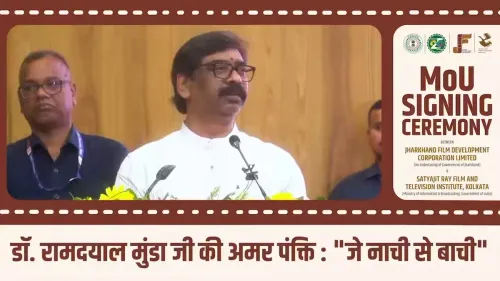
Jharkhand CM Hemant Soren on 22 July 2026 launched a talent-search and training initiative with the Satyajit Ray Film and Television Institute to identify, nurture and professionally train hidden artists from the state's tribal and rural communities, invoking scholar Dr. Ramdayal Munda's philosophy of cultural survival.
Key Takeaways
CM Hemant Soren launched a cultural talent-search programme on 22 July 2026 in partnership with the Satyajit Ray Film and Television Institute (SRFTI) .
The initiative aims to identify, 'bring out and refine' hidden artists from Jharkhand's tribal and rural communities.
Soren quoted tribal scholar Dr.
Ramdayal Munda's phrase 'Je nachi se bachi' — 'those who dance, survive' — to anchor the programme's philosophy.
SRFTI , established in Kolkata in 1995 , is a central government institute offering professional training in film direction, cinematography and editing.
Ramdayal Munda , a Padma Shri 2009 awardee, was a pioneering linguist and tribal scholar whose work continues to shape Jharkhand's cultural policy.
Selection criteria, workshop schedules and the name of the local partner institution are yet to be officially announced.
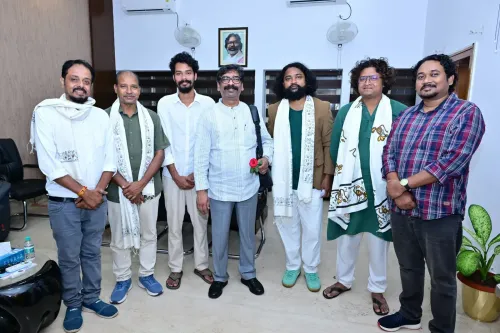
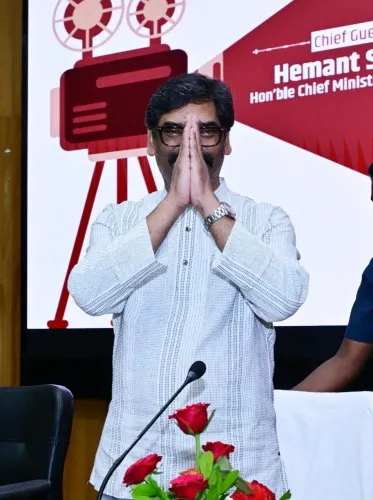
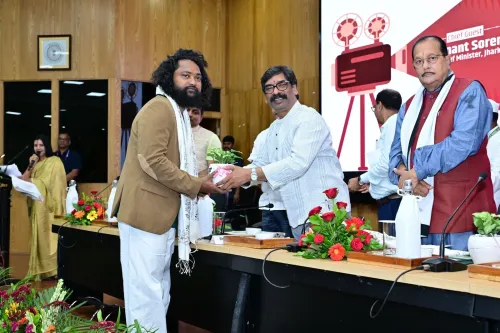
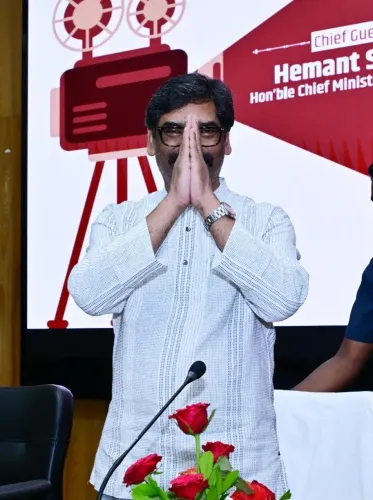
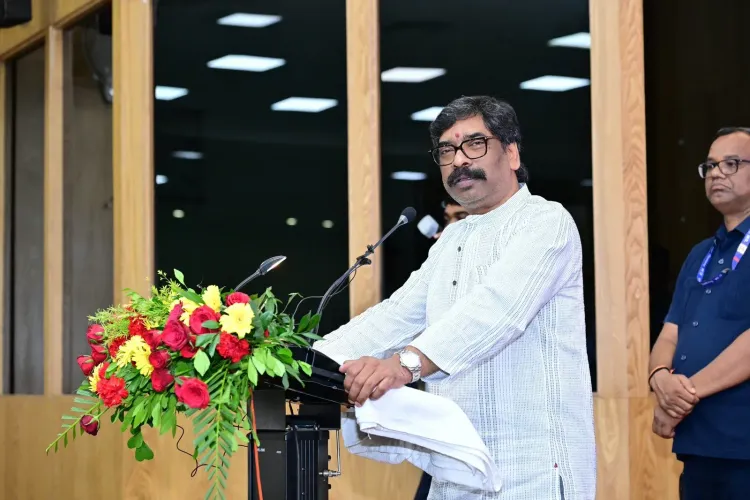
Jharkhand Chief Minister Hemant Soren on Wednesday, 22 July 2026, launched a talent-search and training initiative in partnership with the Satyajit Ray Film and Television Institute (SRFTI) aimed at identifying and nurturing hidden artists from across Jharkhand. The programme, backed by a local cultural institution whose name is yet to be officially confirmed, is designed to bring folk performers and creative talent from rural and tribal communities into structured media and arts training.
Context
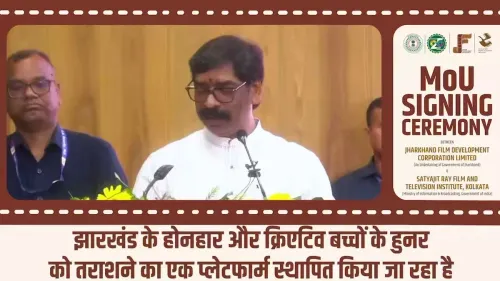
Addressing the gathering, CM Soren invoked the celebrated words of tribal scholar Dr. Ramdayal Munda — 'Je nachi se bachi' (those who dance, survive) — to frame the philosophical intent of the initiative. He said, 'Jharkhand's cultural heritage, folk art and creative talent are our greatest strength,' adding that 'inside every ordinary person of this state, there is a hidden artist.' The Chief Minister acknowledged that many of these artists have remained unseen due to a lack of opportunity and institutional support.
The programme, he said, would 'find, bring out and refine' these artists through the collaboration between the host institution and SRFTI. Soren extended his best wishes to all participants and wished artists a better future.
Policy Backdrop
Dr. Ramdayal Munda (1939–2011) was a linguist, tribal scholar and former Vice-Chancellor of Ranchi University, awarded the Padma Shri in 2009 for his decades of work in documenting Mundari language, Adivasi folklore and tribal performing arts. His academic frameworks from the 1980s and 2000s continue to shape cultural policy in Jharkhand, making his invocation by CM Soren a deliberate nod to the state's intellectual and cultural lineage.
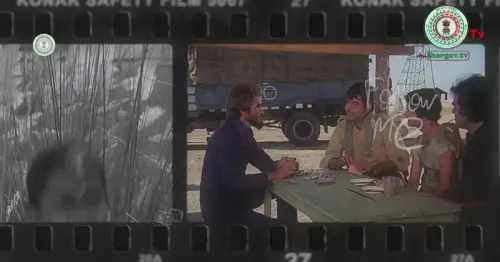
The Satyajit Ray Film and Television Institute, established in Kolkata in 1995 as a central government institution, offers professional training in direction, cinematography, editing and allied disciplines. Its involvement signals an intent to connect Jharkhand's grassroots artistic talent with nationally recognised formal training pathways.
Stakeholders and Impact
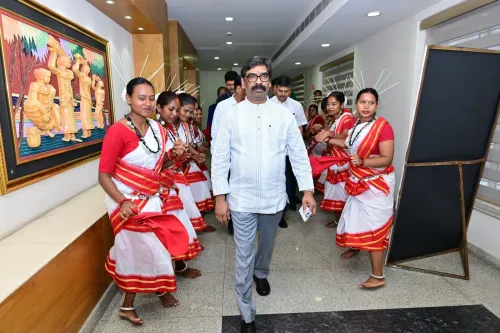
The primary beneficiaries are tribal artists, folk performers and rural youth from Jharkhand — a state formed in 2000 and home to significant Adivasi populations known for traditions including Chhau, Paika and various tribal dance forms. For many of these communities, cultural performance has historically been a social practice rather than a recognised profession or livelihood.
State governments across eastern and central India have increasingly partnered with national institutes to channel traditional performing arts into film, media and skill-development pathways. Such initiatives treat folk culture both as heritage to be preserved and as a potential source of livelihood for Adivasi communities — a dual objective that recurs across administrations in Jharkhand as a means of asserting regional identity while addressing youth employment.
What's Next
Details including the official name of the collaborating local institution, selection criteria for artists, workshop schedules and the programme's geographic reach are yet to be announced. Observers will watch for whether the initiative includes defined output targets — such as short films, documented performances or formal certifications — that would allow its impact to be assessed beyond the launch event.
The partnership with SRFTI raises the possibility that Jharkhand's folk traditions could find expression in national-level film and media platforms, potentially offering artists a pathway from village stages to professional screens.
Point of View
Linking tribal folk forms to nationally recognised media pathways. This sits within a broader pattern of JMM-led governance that uses cultural assertion as both identity politics and employment policy in a state where Adivasi communities form a decisive electoral constituency. The programme's real test will be in its execution: whether it produces verifiable outcomes for artists or remains a well-intentioned ceremonial launch.
NationPress
21 Oct 2026
Frequently Asked Questions
What is the SRFTI and Jharkhand cultural programme announced by CM Hemant Soren?
CM Hemant Soren on 22 July 2026 launched a talent-search and training initiative in partnership with the Satyajit Ray Film and Television Institute (SRFTI) to identify and professionally train hidden artists from Jharkhand's tribal and rural communities.
Who was Dr. Ramdayal Munda and why did CM Soren quote him?
Dr. Ramdayal Munda (1939–2011) was a tribal scholar, linguist and Padma Shri 2009 awardee known for documenting Jharkhand's Adivasi languages and folk arts. CM Soren quoted his phrase 'Je nachi se bachi' (those who dance, survive) to frame the cultural philosophy behind the new programme.
What is the Satyajit Ray Film and Television Institute (SRFTI)?
SRFTI is a premier central government film institute established in Kolkata in 1995 that offers professional training in film direction, cinematography, editing and related disciplines.
Which artists or communities will benefit from this Jharkhand programme?
The programme targets tribal artists, folk performers and rural youth from Jharkhand, a state known for traditions including Chhau and Paika dance forms and significant Adivasi cultural heritage.
What are the next steps for the Jharkhand SRFTI artist talent-search?
The official name of the local partner institution, selection criteria, workshop schedules and programme scope are yet to be announced publicly following the 22 July 2026 launch event.