CM Hemant Soren Launches Jharkhand Film & TV Institute
Synopsis
Chief Minister Hemant Soren on 22 July 2026 inaugurated the Jharkhand Film and Television Institute (JFTI), a state-run media training body aimed at building local creative-industry capacity and providing film and television education to Jharkhand's youth, including tribal communities.
Key Takeaways
Chief Minister Hemant Soren attended the inauguration of the Jharkhand Film and Television Institute (JFTI) on 22 July 2026 .
The institute is a state government initiative to provide structured film and television training within Jharkhand .
The launch is part of a broader pattern of Indian states investing in regional creative-sector education infrastructure.
Primary beneficiaries are expected to be young aspirants from Jharkhand , including those from tribal and rural communities.
The institute could support content creation in Jharkhand's indigenous languages such as Santali, Ho, and Mundari.
Key milestones to watch include the first academic session rollout, faculty appointments, and potential MoUs with national film bodies.
The Chief Minister's Office of Jharkhand announced on Wednesday, 22 July 2026, that Chief Minister Hemant Soren attended the inauguration of the Jharkhand Film and Television Institute (JFTI), marking the state government's formal entry into dedicated media and creative-arts education.
Context
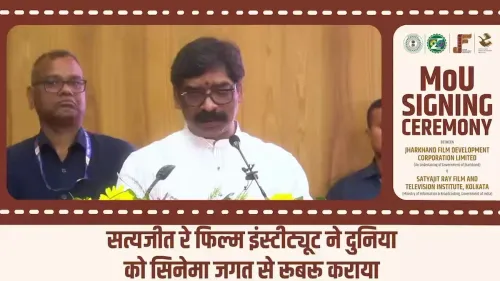
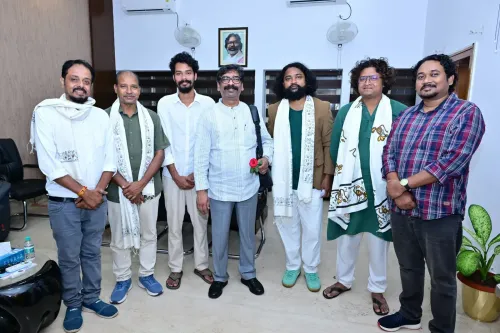
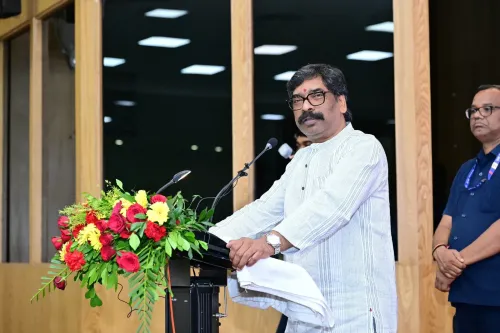
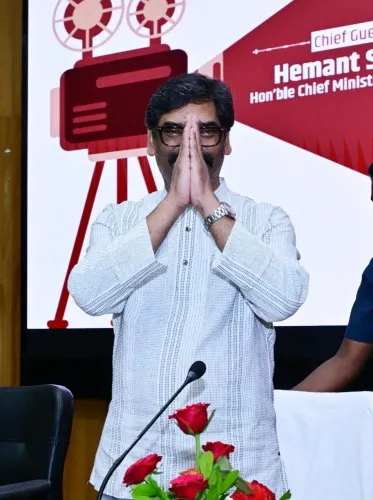
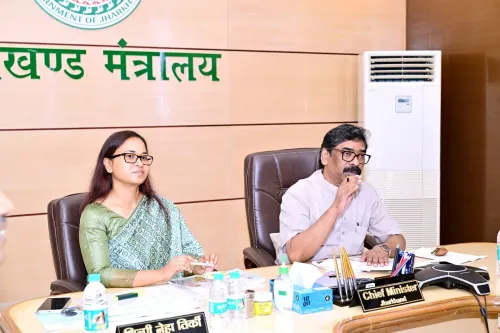
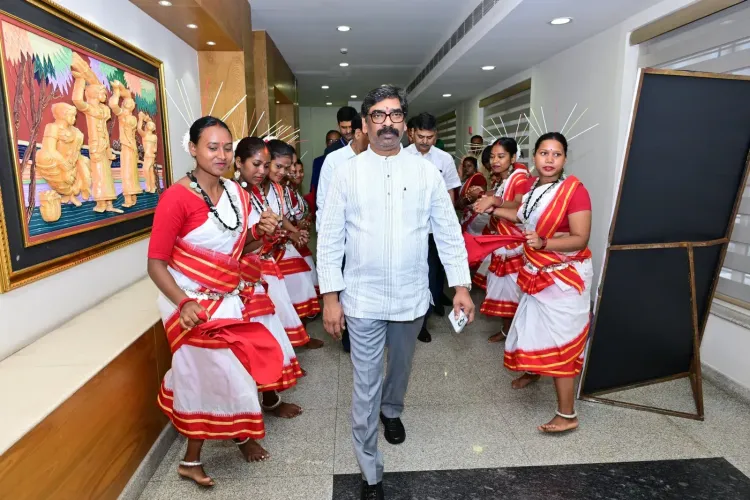
The official post from the Chief Minister's Office read: 'Mukhyamantri Shri Hemant Soren 'Jharkhand Film and Television Institute' (JFTI) ke shubharambh karyakram mein shamil hue' — ('Chief Minister Hemant Soren attended the inauguration programme of the Jharkhand Film and Television Institute'). The brief announcement was accompanied by three images from the event, signalling a ceremonial launch with official presence at the highest level of the state government.
Hemant Soren, who leads the Jharkhand Mukti Morcha (JMM) and has served multiple terms as Chief Minister, has positioned cultural promotion and skill development as pillars of his administration's agenda, particularly with an eye on Jharkhand's large tribal population and its rich indigenous storytelling traditions.
Policy Backdrop
The creation of a dedicated film and television institute fits a broader national pattern in which several Indian states have invested in regional media-education infrastructure to decentralise creative-industry training beyond traditional hubs. Such institutions are typically designed to generate employment in the creative sector while preserving and amplifying local languages, cultures, and narratives.
Jharkhand, an eastern Indian state known for its mineral wealth and significant Adivasi communities, has in recent years sought to diversify its economic profile through skill-based and cultural initiatives. A state-run institute of this nature is expected to provide structured training in filmmaking, television production, and allied media crafts to aspirants who may otherwise have had to relocate to cities like Mumbai or Pune for such education.
Stakeholders and Impact
The primary beneficiaries of JFTI are expected to be young aspirants from Jharkhand — particularly those from tribal and rural backgrounds — who now have access to formal film and television training within the state. By reducing the financial and logistical barriers to media education, the institute could broaden participation in India's creative industries beyond metropolitan centres.
Beyond individual opportunity, the institute carries cultural significance: a state-run institution can actively commission and support content in Jharkhand's regional languages, including Santali, Ho, Mundari, and others, potentially creating a documentary and fictional record of indigenous life that might otherwise go unpreserved. Local production houses and the nascent regional content ecosystem stand to benefit from a trained local talent pipeline.
What's Next
Observers will watch for the rollout of JFTI's first academic session, including admission notifications, course structures, and faculty appointments. Budget allocations in forthcoming state budgets will indicate the depth of the government's financial commitment to the institute. Any formal tie-ups with national bodies such as the Film and Television Institute of India (FTII) in Pune or industry associations would further signal the ambition and scale of the project.
The inauguration by Chief Minister Soren himself underscores the political salience of the initiative; how swiftly the institute transitions from a launch event to an operational academic calendar will determine its lasting impact on Jharkhand's creative economy.
Point of View
A government-backed film institute signals intent to bring those stories into mainstream media. For the JMM-led administration, the move aligns creative-sector investment with a longer-standing commitment to Adivasi cultural assertion. The real test, however, will come not at the ribbon-cutting but in the institute's operational years: whether it secures sustained funding, attracts qualified faculty, and produces graduates who find genuine industry pathways. If it does, Jharkhand could become a model for how smaller states can build regional media ecosystems rather than ceding the creative economy entirely to metropolitan hubs.
NationPress
21 Oct 2026
Frequently Asked Questions
What is the Jharkhand Film and Television Institute (JFTI)?
The Jharkhand Film and Television Institute (JFTI) is a state government-established training institute focused on film, television, and media skills, inaugurated by Chief Minister Hemant Soren on 22 July 2026 to build local creative-industry capacity in Jharkhand.
Who inaugurated the Jharkhand Film and Television Institute?
Chief Minister Hemant Soren of Jharkhand inaugurated JFTI on 22 July 2026, attending the official launch ceremony as announced by the Chief Minister's Office.
Who will benefit from JFTI in Jharkhand?
Aspiring filmmakers and media professionals from Jharkhand, particularly youth from tribal and rural communities, are the primary intended beneficiaries, gaining access to formal media education without having to relocate to major cities.
How does JFTI compare to other Indian film institutes?
Several Indian states have set up regional film and television institutes to decentralise media education. JFTI follows this pattern, aiming to complement national institutions like the Film and Television Institute of India (FTII) by catering specifically to Jharkhand's local languages and cultural narratives.
What should we watch for after the JFTI inauguration?
Key developments to follow include the announcement of JFTI's first academic session and admissions, budget allocations in Jharkhand's state budget, faculty appointments, and any formal agreements with national film or industry bodies.