CM Hemant Soren Reviews STP Progress in Sahibganj, Dhanbad
Synopsis
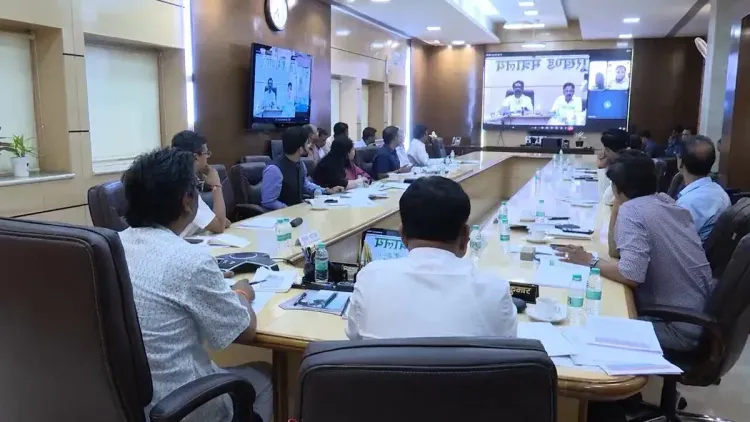
Jharkhand CM Hemant Soren on 29 May 2026 reviewed sewage treatment plant operations in Sahibganj and Dhanbad online, engaging plant managers directly and directing officials to execute urban sanitation projects in a time-bound and quality-driven manner.
Key Takeaways
CM Hemant Soren chaired an online review of the Urban Development and Housing Department on 29 May 2026 .
The review covered the functioning and progress of Sewage Treatment Plants (STPs) in Sahibganj and Dhanbad .
Plant managers physically present at both sites were engaged directly during the online session.
The Chief Minister identified urban sanitation, river and water-body protection, and basic infrastructure as the government's top priorities.
Officials were directed to implement projects in a time-bound, quality-driven, and effective manner.
The review aligns with national Swachh Bharat Mission (Urban) mandates for STP construction and operation.
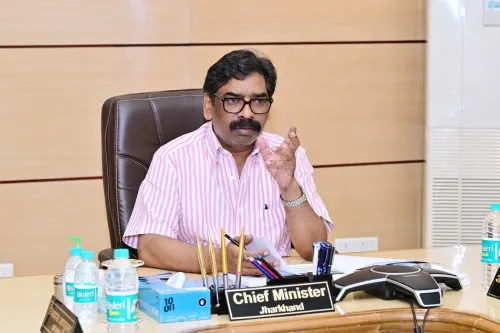
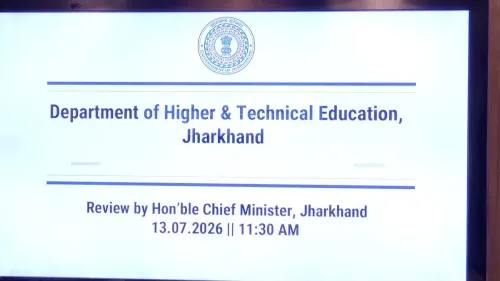
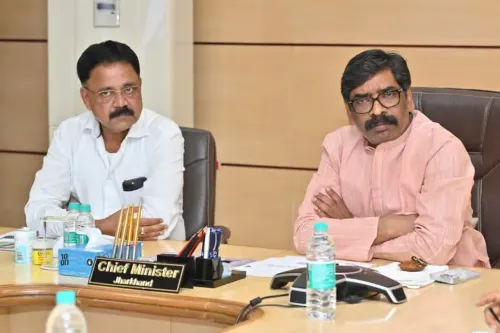
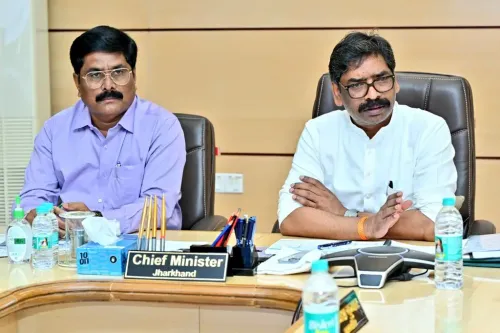
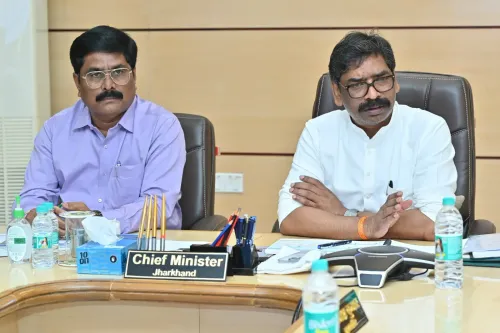
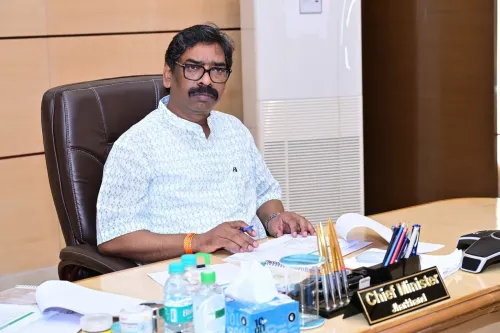
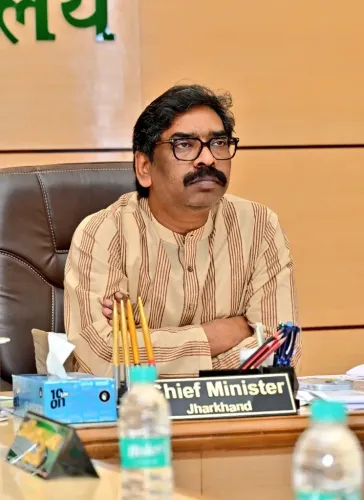
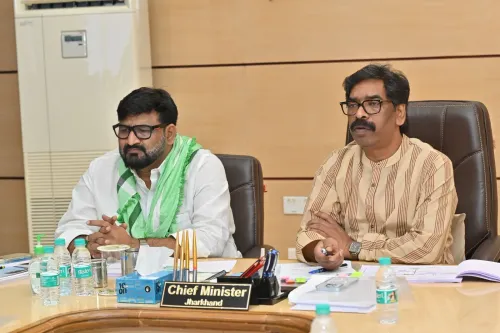
Jharkhand Chief Minister Hemant Soren on Friday, 29 May 2026 conducted an online review of the Urban Development and Housing Department, directly engaging with plant managers at Sewage Treatment Plants (STPs) in Sahibganj and Dhanbad to assess operational progress and functionality.
Context
Posting on X, CM Soren stated that during the departmental review meeting he held online discussions with plant managers present at the two STP sites. In his words: 'aaj shahri vikas aur awaas vibhag ki samiksha baithak mein' (today, in the Urban Development and Housing Department review meeting), he personally reviewed the working and progress of the STPs. The Chief Minister underlined that strengthening urban sanitation, protecting rivers and water bodies from pollution, and providing better basic infrastructure to citizens are the government's top priorities.
Officials have been directed to execute projects in a time-bound, quality-driven, and effective manner, CM Soren said in the post.
Policy Backdrop
The review is rooted in the Swachh Bharat Mission (Urban), launched in 2014, which mandates the construction and operation of STPs in cities to meet national sanitation and river-cleaning targets. Jharkhand's Urban Development and Housing Department is the nodal agency responsible for implementing these municipal infrastructure projects across the state.
Sahibganj, located along the Ganges in eastern Jharkhand, and Dhanbad, the state's major coal-mining industrial hub, represent two distinct but critical pressure points for urban sanitation. Sahibganj's position on the Ganges makes STP performance directly relevant to river-rejuvenation goals, while Dhanbad's industrial character compounds sewage and pollution challenges for its municipal authorities.
Stakeholders and Impact
Urban residents of both Sahibganj and Dhanbad stand to benefit most directly from functional STPs, which reduce the discharge of untreated sewage into local water bodies. Municipal authorities in both districts are the implementing agencies on the ground, and the Chief Minister's direct engagement with plant managers signals an intent to hold operational staff accountable rather than only senior bureaucrats.
The broader pattern of such reviews reflects Jharkhand's effort to improve utilisation of central and state infrastructure funds. Repeated state-level directives emphasising time-bound execution suggest that delays in project completion have been a persistent concern, making this kind of direct oversight significant for the programme's credibility.
What's Next
Operational status reports and water-quality data from the Sahibganj and Dhanbad STPs will be key indicators of whether the Chief Minister's directives translate into measurable outcomes on the ground. The state government's emphasis on quality and timeliness also raises the possibility that additional Jharkhand cities could be brought into the next phase of urban sanitation funding if current projects demonstrate satisfactory progress.
For a state navigating both industrial pollution pressures and riverine ecology obligations, the sustained political attention to STP infrastructure signals that urban sanitation will remain a defining governance benchmark for the Soren administration in the months ahead.
Point of View
The other carries the pollution burden of decades of coal-industry urbanisation. By publicly flagging time-bound execution as a directive, the administration is also implicitly acknowledging that past project timelines have slipped, a pattern common across state-level Swachh Bharat implementation. Sustained political visibility on STP performance could become a benchmark by which the Soren government's urban governance record is assessed ahead of future electoral cycles.
NationPress
19 Sept 2026
Frequently Asked Questions
What did CM Hemant Soren review on 29 May 2026?
CM Hemant Soren reviewed the functioning and progress of Sewage Treatment Plants (STPs) in Sahibganj and Dhanbad during an online meeting of the Urban Development and Housing Department on 29 May 2026.
Why are STPs important for Sahibganj and Dhanbad?
Sahibganj is located along the Ganges, making untreated sewage discharge a direct threat to river health, while Dhanbad's coal-mining industrial character creates significant urban pollution challenges — both making functional STPs critical for water-body protection.
What instructions did CM Soren give to officials regarding STP projects?
CM Soren directed officials to execute projects in a time-bound, quality-driven, and effective manner, emphasising urban sanitation, protection of rivers and water bodies, and better basic infrastructure for citizens as top priorities.
What national scheme governs STP construction in Jharkhand cities?
The Swachh Bharat Mission (Urban), launched in 2014, mandates the construction and operation of STPs in Indian cities, including those in Jharkhand, to achieve national sanitation and river-cleaning targets.
Who is Hemant Soren?
Hemant Soren is the Chief Minister of Jharkhand and the executive president of the Jharkhand Mukti Morcha (JMM), the regional political party that leads the state government.