CM Sukhu Flags 6,811 Drug Cases Under Chitta Mukt Himachal Drive
Synopsis
CM Sukhvinder Singh Sukhu says the Chitta Mukt Himachal Abhiyan has resulted in 6,811 NDPS cases, 10,357 arrests and 45,867 kg of drug seizures since 2023, with 76 illegal properties identified and 17 demolished, as the state pursues a comprehensive drug-free agenda.
Key Takeaways
6,811 NDPS cases have been registered in Himachal Pradesh since 2023 under the Chitta Mukt Himachal Abhiyan .
10,357 accused have been arrested in connection with drug trafficking offences during the same period.
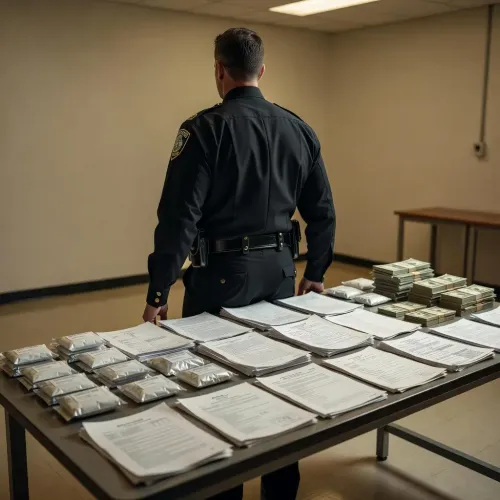
Authorities have seized 45,867 kilograms of narcotics, including chitta, across the state.
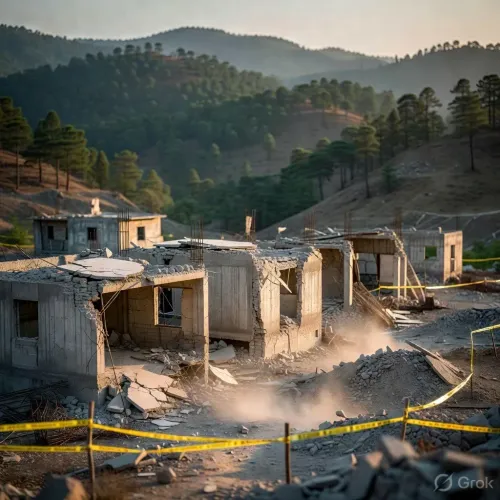
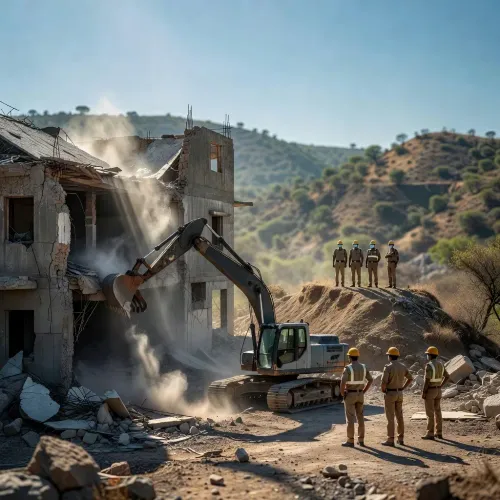
76 illegal properties linked to drug proceeds have been identified, with 17 already demolished.
The campaign targets the full trafficking network, combining arrests with asset-attachment provisions under the NDPS Act, 1985 .
CM Sukhu framed the drive as a broader social mission to protect youth and make Himachal Pradesh drug-free.
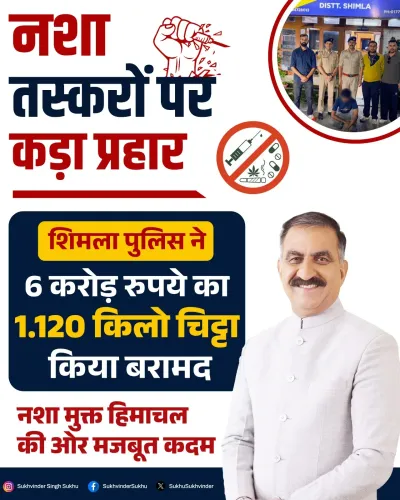
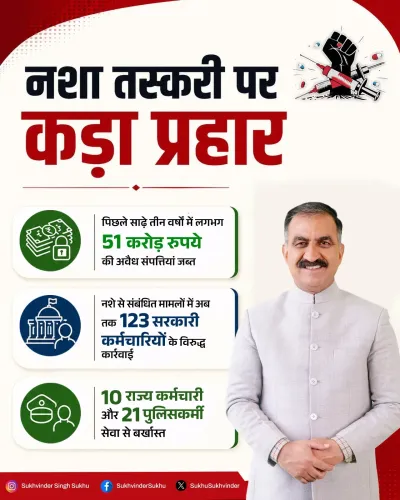
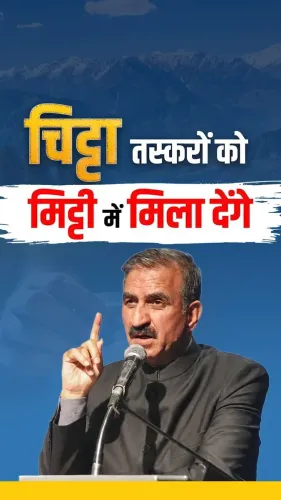
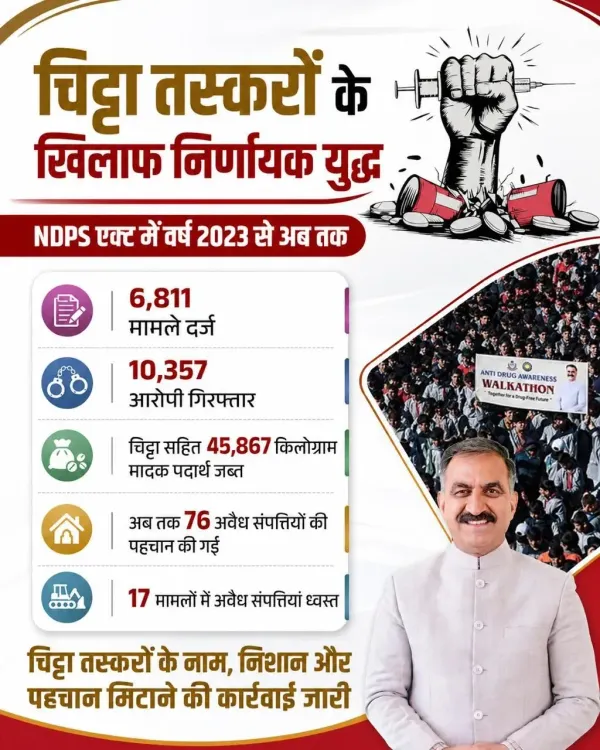
Himachal Pradesh Chief Minister Sukhvinder Singh Sukhu on Saturday, 23 May 2026 shared a detailed enforcement update on the state's Chitta Mukt Himachal Abhiyan, citing over 6,811 NDPS cases registered and more than 10,357 arrests since 2023, as the government intensifies its campaign to dismantle drug trafficking networks across the hill state.
Context
In his post, CM Sukhu described the Chitta Mukt Himachal Abhiyan as a 'व्यापक मुहिम' — a comprehensive campaign — aimed not only at prosecuting traffickers but also at protecting youth and making society safer. Chitta, a locally prevalent synthetic opioid, has been at the centre of Himachal Pradesh's drug crisis for several years. The Chief Minister stated that relentless action is being taken at every level to prevent the illegal trade from taking root.
The figures shared under the Narcotic Drugs and Psychotropic Substances (NDPS) Act, 1985 from 2023 to date include: 6,811 cases registered, 10,357 accused arrested, 45,867 kilograms of narcotics (including chitta) seized, 76 illegal properties identified, and 17 cases in which illegal properties have been demolished.
Policy Backdrop
The Chitta Mukt Himachal Abhiyan is rooted in a pledge the Indian National Congress made in its 2022 Himachal Pradesh assembly election manifesto to pursue a comprehensive drug-free drive. Since CM Sukhu took office in December 2022, the state administration has framed anti-narcotics enforcement as a flagship governance priority.
At the national level, the Nasha Mukt Bharat Abhiyan, launched in 2020 by the Ministry of Social Justice and Empowerment, provides a coordinating framework for state-level anti-narcotics efforts. Himachal Pradesh shares borders with Punjab, a state long identified as a key transit corridor for synthetic opioids and heroin, making cross-border trafficking a persistent enforcement challenge.
The NDPS Act, India's principal narcotics legislation enacted in 1985 and amended in 2001 and 2014, empowers authorities to attach and demolish properties linked to drug proceeds — a provision the state government says it is actively deploying.
Stakeholders and Impact
The campaign's primary stated beneficiaries are Himachal Pradesh's youth, who the government identifies as the most vulnerable to synthetic drug addiction. Enforcement data pointing to 45,867 kg of seized narcotics signals an attempt to choke supply chains that feed into local consumption networks.
The property-demolition component — 17 structures razed across 76 identified illegal assets — mirrors tactics already employed in Punjab and Haryana, where authorities have used asset-attachment provisions to financially cripple trafficking operations. Critics of such demolition drives in other states have raised due-process concerns, though no such challenge has been publicly lodged in this instance.
Drug trafficking networks operating through the state's mountainous terrain remain the primary adversary. Sustained arrest numbers suggest the enforcement machinery is active, though dismantling entrenched supply chains typically requires coordinated inter-state intelligence sharing.
What's Next
The government's stated goal is the complete elimination of the drug trade to make Himachal Pradesh safe and drug-free — 'नशा-मुक्त' in the Chief Minister's words. Observers will watch whether the state pairs its enforcement surge with expanded de-addiction infrastructure and demand-reduction programmes, areas where public health experts argue supply-side crackdowns alone have limited long-term effect.
Quarterly crime data releases by Himachal Pradesh Police and any proposals for dedicated de-addiction centres or enhanced central funding under revised NDPS rules will be key indicators of whether the campaign's momentum is sustained beyond headline arrest figures.
Point of View
Lending the campaign a visible, tangible dimension beyond arrest statistics. However, the absence of outcome data — recidivism rates, de-addiction enrolments, or demand-side metrics — leaves open the question of whether enforcement alone is translating into a safer social environment. The campaign's long-term political value will depend on whether the numbers hold up to independent scrutiny as quarterly police data becomes available.
NationPress
19 Sept 2026
Frequently Asked Questions
What is Chitta Mukt Himachal Abhiyan?
Chitta Mukt Himachal Abhiyan is a state government campaign launched under CM Sukhvinder Singh Sukhu to eliminate drug trafficking and addiction in Himachal Pradesh through arrests, seizures, and asset demolitions targeting the full narcotics supply chain.
How many drug cases have been registered in Himachal Pradesh since 2023?
6,811 cases have been registered under the NDPS Act in Himachal Pradesh from 2023 to date, according to figures shared by CM Sukhu on 23 May 2026 .
What is chitta drug and why is it a problem in Himachal Pradesh?
Chitta is a locally used term for a synthetic opioid — typically heroin or a heroin-like substance — that has become a serious addiction and public health problem in Himachal Pradesh , partly due to the state's proximity to Punjab , a known drug transit corridor.
Has the Himachal Pradesh government demolished properties linked to drug trafficking?
Yes. According to CM Sukhu , 76 illegal properties linked to drug proceeds have been identified, and 17 have been demolished under provisions of the NDPS Act since 2023 .
What is the NDPS Act and how is it used against drug traffickers?
The Narcotic Drugs and Psychotropic Substances Act, 1985 is India's primary anti-narcotics law. It empowers police to arrest traffickers, seize drugs, and attach or demolish properties acquired through drug money — tools the Himachal Pradesh government says it is actively using.