CM Sukhu bets on green hydrogen, AI to power HP economy
Synopsis
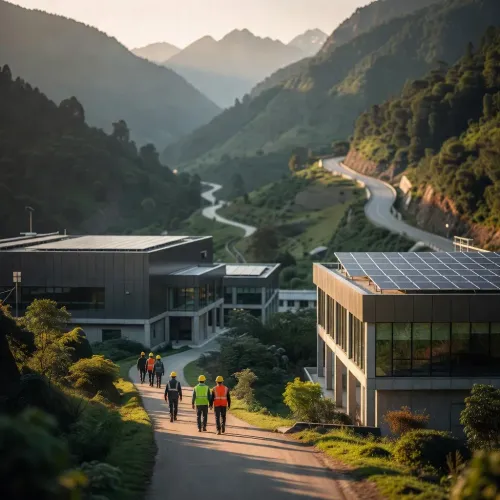
Chief Minister Sukhvinder Singh Sukhu has declared Himachal Pradesh the future leader in green hydrogen and green ammonia, linking AI and IT investment to the state's renewable energy strengths, including a geothermal project in Kinnaur district and ongoing biochar initiatives.
Key Takeaways
CM Sukhu declared Himachal Pradesh will become India's leading state in green hydrogen production.
The state is actively advancing green ammonia projects alongside green hydrogen efforts.
A geothermal energy project has been established in Kinnaur district .
Biochar projects are being installed as part of the state's clean energy and carbon strategy.
The Chief Minister urged IT sector investors to consider Himachal Pradesh's renewable energy potential as a key advantage.
The push aligns with the central government's National Green Hydrogen Mission targeting 5 million tonnes annual capacity by 2030 .
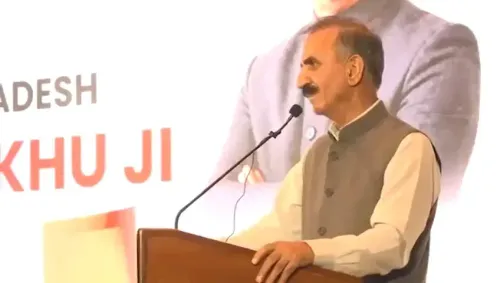
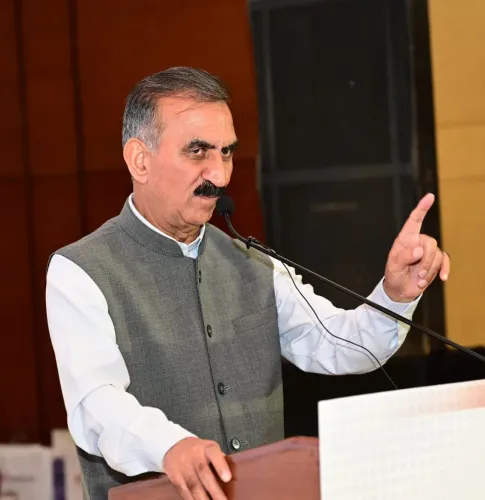
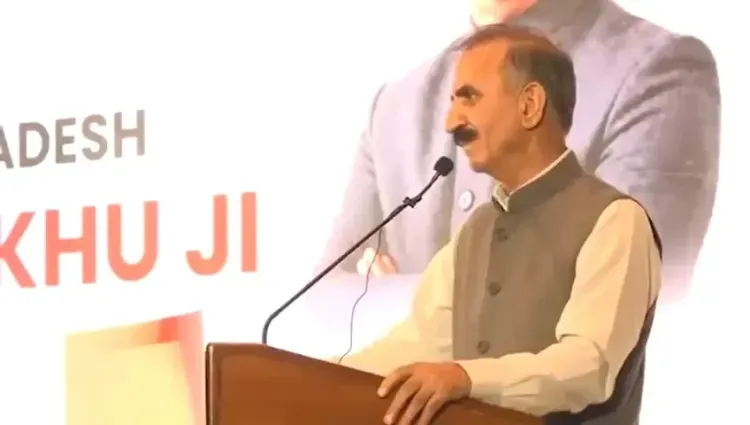
Himachal Pradesh Chief Minister Sukhvinder Singh Sukhu on Sunday, 19 July 2026, called for deeper investment in artificial intelligence and renewable energy, asserting that Himachal Pradesh is poised to become the country's leading state in green hydrogen and green ammonia production.
Addressing investors and stakeholders, CM Sukhu said — 'ग्रीन हाइड्रोजन के क्षेत्र में आने वाले समय में यदि कोई राज्य अग्रणी राज्य बनेगा, तो वह हिमाचल प्रदेश होगा' ('If any state is to become a leader in green hydrogen in the coming time, it will be Himachal Pradesh'). He added that the state is simultaneously advancing green ammonia projects and installing biochar facilities, while a geothermal energy project has already been established in Kinnaur district.
Context
Himachal Pradesh has historically relied on hydroelectric power as its primary renewable resource, but the Sukhu government has been actively seeking to diversify into next-generation clean energy sectors. The Chief Minister's remarks frame AI and the IT sector as complementary pillars to this green energy push, arguing that investors drawn to technology will find abundant renewable energy infrastructure in the state.
He stated that 'technology has taken a new form today, innovation has gained momentum, and this is the economy of the future,' signalling a deliberate effort to link digital economy investment with the state's clean energy ambitions.
Policy Backdrop
The Chief Minister's push aligns with the National Green Hydrogen Mission, launched by the central government in 2023, which targets 5 million tonnes of annual green hydrogen production capacity by 2030. States across India are competing to position themselves as preferred destinations under this national framework.
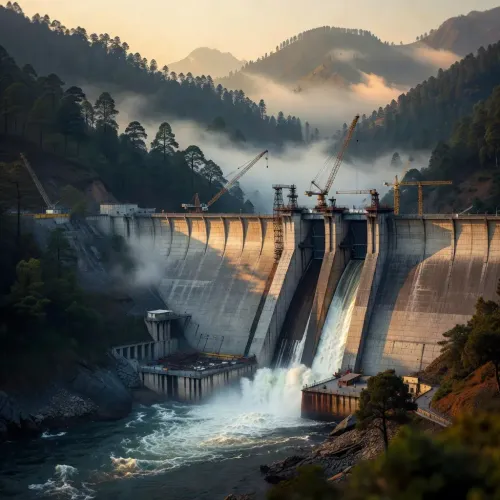
Himachal Pradesh's Himalayan geology gives it an edge in geothermal exploration, particularly in districts like Kinnaur, where tectonic activity creates viable heat sources. The state's existing hydro infrastructure also provides a natural feedstock of renewable electricity required for green hydrogen electrolysis.
Stakeholders and Impact
IT sector investors are the immediate audience for CM Sukhu's pitch, with the government positioning renewable energy availability as an incentive for data centres and technology firms that carry high power demands. Renewable energy developers focused on green hydrogen and green ammonia stand to benefit from any policy support or land allocation the state government formalises.
Biochar projects, also referenced by the Chief Minister, carry dual benefits: carbon sequestration and soil enrichment, making them relevant for both the state's agricultural communities and its climate commitments. Local communities in Kinnaur and other districts could see employment and infrastructure development if geothermal and green energy projects scale up.
What's Next
The immediate focus will be on whether the Sukhu government converts these stated ambitions into formal memoranda of understanding with investors or announces pilot project timelines under the central green hydrogen mission's state-level implementation framework. The progress of the Kinnaur geothermal project and the biochar installations will be closely watched as indicators of on-ground execution. Himachal Pradesh's ability to attract IT and clean-energy capital in a competitive landscape — where states like Rajasthan, Gujarat, and Tamil Nadu have already established green industrial corridors — will determine whether the Chief Minister's vision translates into measurable economic outcomes.
Point of View
Aiming to differentiate the state in an increasingly crowded clean-energy investment market. By explicitly linking AI and IT investment to renewable energy availability, the government is targeting high-power-demand technology firms as anchor tenants for its green economy vision. This mirrors a broader pattern of Indian states using green industrial corridors as economic development tools, but Himachal Pradesh's geothermal and hydro assets give it a distinct geological argument that rivals like Rajasthan or Gujarat cannot replicate. The real test will be the speed and scale of formal project announcements, as investor confidence in the hill state will depend on execution credibility, not just political ambition.
NationPress
20 Jul 2026
Frequently Asked Questions
What did CM Sukhu say about green hydrogen in Himachal Pradesh?
CM Sukhu stated that Himachal Pradesh will become India's leading state in green hydrogen production, and that the government is already advancing green hydrogen and green ammonia projects.
What is the geothermal energy project in Kinnaur district?
A geothermal energy project has been established in Kinnaur district, Himachal Pradesh, leveraging the region's Himalayan geological features. Specific commissioning details have not been officially confirmed in public records.
What is the National Green Hydrogen Mission?
The National Green Hydrogen Mission is a central government initiative launched in 2023 that targets 5 million tonnes of annual green hydrogen production capacity by 2030 to support India's decarbonisation goals.
Why is CM Sukhu calling for IT sector investment in Himachal Pradesh?
CM Sukhu is pitching Himachal Pradesh's abundant renewable energy — including hydro, geothermal, and emerging green hydrogen capacity — as a key advantage for IT investors and data centres that require large amounts of clean power.
What are biochar projects and why is Himachal Pradesh installing them?
Biochar projects involve converting organic material into a carbon-rich substance used to sequester carbon and improve soil quality. CM Sukhu mentioned that Himachal Pradesh is installing biochar projects as part of its broader clean energy and climate strategy.