CM Sukhu Boosts Fishermen Welfare via Sammaan Nidhi Yojana
Synopsis
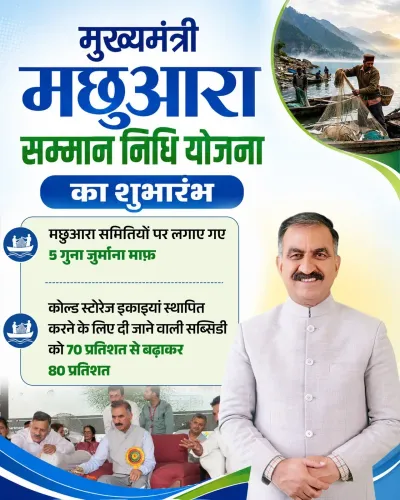
Himachal Pradesh CM Sukhvinder Singh Sukhu announced the Mukhyamantri Machhuwara Sammaan Nidhi Yojana on 13 August 2026, waiving five-fold fines on fishermen cooperatives and raising cold storage subsidies from 70% to 80% to boost incomes for fishing families.
Key Takeaways
Mukhyamantri Machhuwara Sammaan Nidhi Yojana announced by Himachal Pradesh CM Sukhvinder Singh Sukhu on 13 August 2026 .
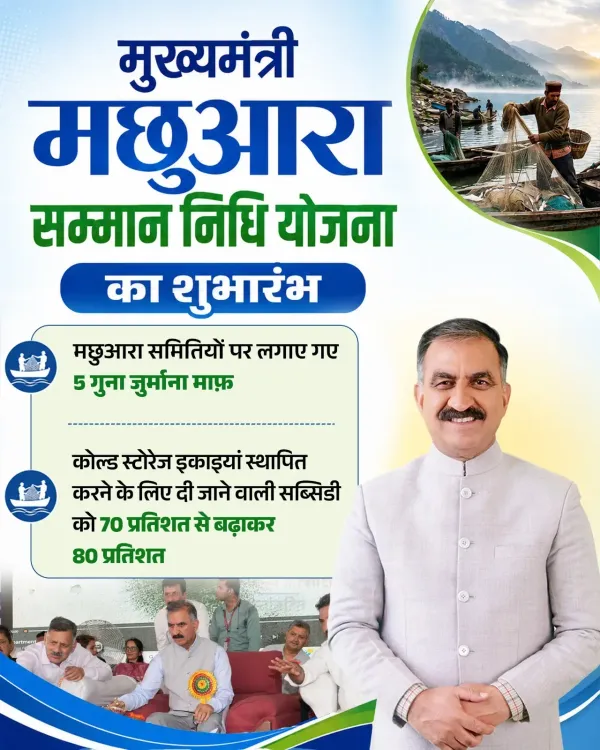
Five-fold regulatory fines imposed on fishermen's cooperatives (machhuwara samitis) have been fully waived under the scheme.
Subsidy on cold storage units for fishermen raised from 70% to 80% .
Scheme targets income growth and financial stability for fishing families dependent on rivers and reservoirs in Himachal Pradesh .
Builds on the central Pradhan Mantri Matsya Sampada Yojana (2020) with state-specific relief measures.
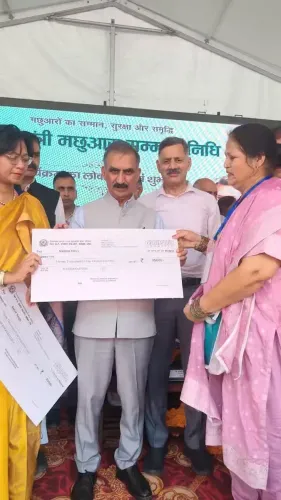
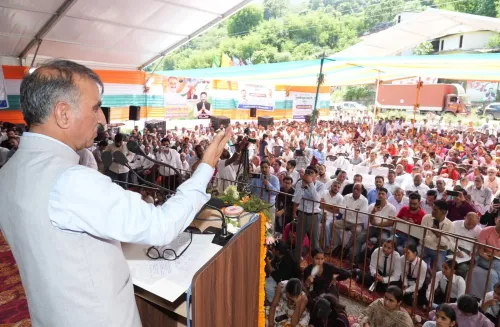
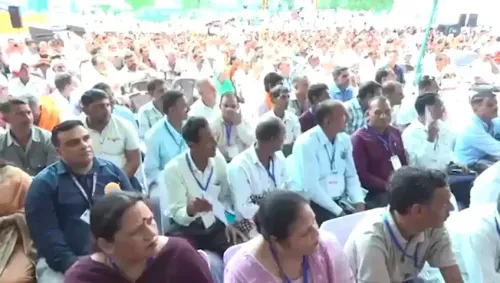
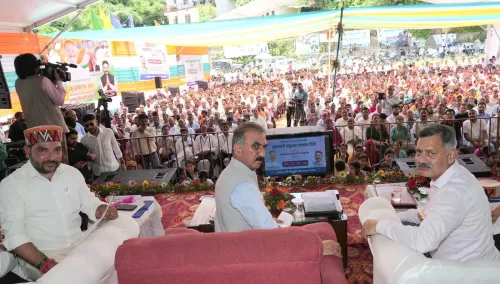
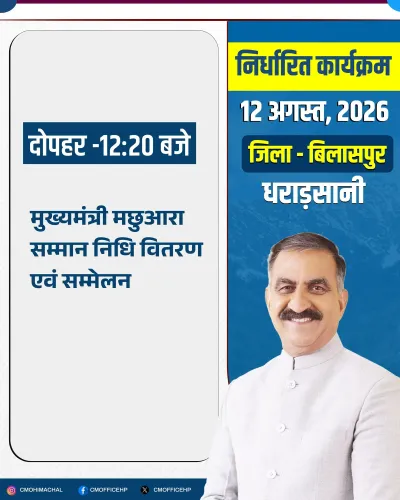
For Himachal Pradesh's fishing communities — whose lives move with the current of rivers and reservoirs — a new state scheme is promising more than relief. It is promising dignity. Himachal Pradesh Chief Minister Sukhvinder Singh Sukhu on Thursday, 13 August 2026 announced the full contours of the 'Mukhyamantri Machhuwara Sammaan Nidhi Yojana', a targeted welfare scheme designed to ease the financial burden on fishermen families and cooperatives across the state.
Five-Fold Fines Waived, Cold Storage Subsidy Raised to 80%
The scheme's two headline interventions are concrete and immediate. Fishermen's committees (machhuwara samitis) that had accumulated five-fold regulatory fines will have those penalties fully waived — a measure that directly removes a long-standing financial liability from cooperative bodies operating on thin margins. Equally significant, the subsidy on cold storage units has been raised from 70% to 80%, reducing the capital burden on fishermen who invest in post-harvest infrastructure to preserve and sell their catch.
CM Sukhu framed the scheme in unambiguous terms: 'Machhuwara parivaron ko unki mehnat ka labh milega, aay mein vriddhi hogi aur jeevan mein khushhaali aayegi' — 'Fishermen families will benefit from their hard work, incomes will rise, and prosperity will come to their lives.' The language is deliberate: this is not charity but recognition of labour.
Inland Fisheries and the Hill State Economy
Himachal Pradesh's rivers, streams, and reservoirs have long supported inland fisheries as a supplementary livelihood for rural households. Yet fishermen here have historically operated without the policy cushion available to farmers or horticulture workers. The Sukhu government's move builds on the foundation of the central Pradhan Mantri Matsya Sampada Yojana (2020), which supports fisheries infrastructure nationally, but extends it with state-specific relief — particularly the fine waiver, which addresses a regulatory friction point unique to cooperative bodies.
Himachal Pradesh governments have periodically announced targeted welfare measures for traditional occupational groups. What distinguishes this scheme is the pairing of regulatory relief with infrastructure subsidy — addressing both the cost of compliance and the cost of investment in a single announcement.
What Fishermen Families Stand to Gain
The practical impact flows in two directions. The fine waiver gives cooperatives immediate financial breathing room. The higher cold storage subsidy, at 80%, makes it economically viable for more fishermen to invest in units that extend shelf life, reduce wastage, and open access to better-priced markets. Together, the measures target the two points where fishermen lose income most: regulatory penalties and post-harvest losses.
State budget allocations and the physical rollout of cold storage units in subsequent financial years will be the real test of the scheme's reach — but the policy direction is clear. In a hill state where rural income diversification beyond agriculture is a long-term priority, fishing communities now have a more explicit seat at the welfare table.
Point of View
Tangible relief rather than broad rural welfare omnibus programmes. By combining regulatory amnesty — the fine waiver — with infrastructure investment incentives at 80% subsidy, the scheme addresses both the compliance cost and the capital access barriers that have constrained fishermen cooperatives. In the broader arc of Congress governance in Himachal Pradesh since December 2022, this fits a pattern of constituency-specific welfare announcements aimed at consolidating rural support ahead of electoral cycles. The real measure of its ambition will be whether cold storage infrastructure actually materialises on the ground in the next budget cycle.
NationPress
13 Aug 2026
Frequently Asked Questions
What is the Mukhyamantri Machhuwara Sammaan Nidhi Yojana?
It is a Himachal Pradesh state welfare scheme launched by CM Sukhvinder Singh Sukhu that provides economic support to fishermen families, including waiving five-fold fines on fishermen cooperatives and raising cold storage subsidies from 70% to 80%.
What fines have been waived for fishermen cooperatives in Himachal Pradesh?
Under the Mukhyamantri Machhuwara Sammaan Nidhi Yojana, five-fold regulatory fines that had been imposed on fishermen's committees (machhuwara samitis) have been fully waived.
What is the new cold storage subsidy for fishermen in Himachal Pradesh?
The subsidy for cold storage units for fishermen has been increased from 70% to 80% under the scheme, making post-harvest infrastructure more affordable for fishing families.
Who benefits from the Mukhyamantri Machhuwara Sammaan Nidhi Yojana?
Fishermen families and fishermen cooperatives in Himachal Pradesh who depend on rivers and reservoirs for their livelihood are the primary beneficiaries of the scheme.
How does this scheme relate to the central government's fisheries programme?
The scheme builds on the central government's Pradhan Mantri Matsya Sampada Yojana (2020), which supports national fisheries infrastructure, by adding state-specific relief such as fine waivers and higher subsidies tailored to Himachal Pradesh's fishing communities.