CM Sukhu claims Wild Flower Hall win, ₹401 cr in state treasury
Synopsis
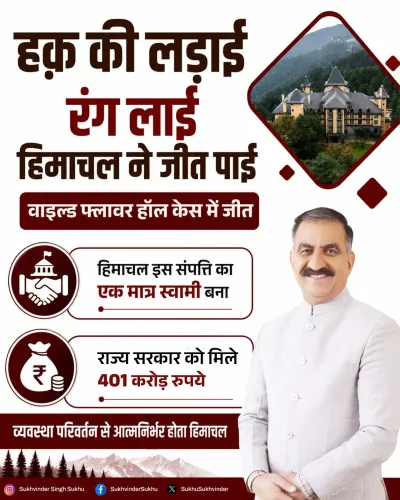
Chief Minister Sukhvinder Singh Sukhu announces Himachal Pradesh has won a 23-year legal battle over the Wild Flower Hall heritage hotel near Shimla, recovering ₹401 crore into the state treasury and securing ₹1.70 crore in monthly rent after deploying senior counsel.
Key Takeaways
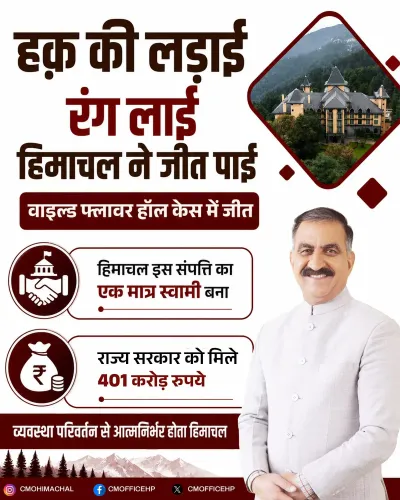
23-year legal battle resolved : Himachal Pradesh government won the long-running Wild Flower Hall ownership dispute after deploying senior counsel. ₹401 crore has been deposited into the Himachal Pradesh state treasury following the court victory. ₹1.70 crore per month in rental income is now flowing to the state government from the Wild Flower Hall property.
The hotel's ownership mutation ( intkal ) has been formally transferred to the state government's name.
CM Sukhu directly blamed the previous BJP government for repeatedly losing the case due to weak legal representation.
The CM framed the announcement as a public-accountability statement, asking citizens to judge which party is more vigilant about protecting state assets.
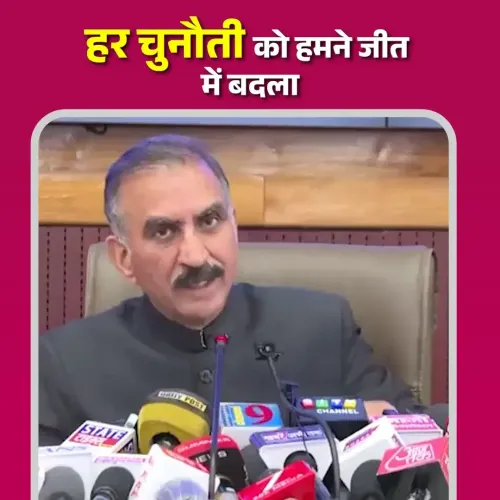
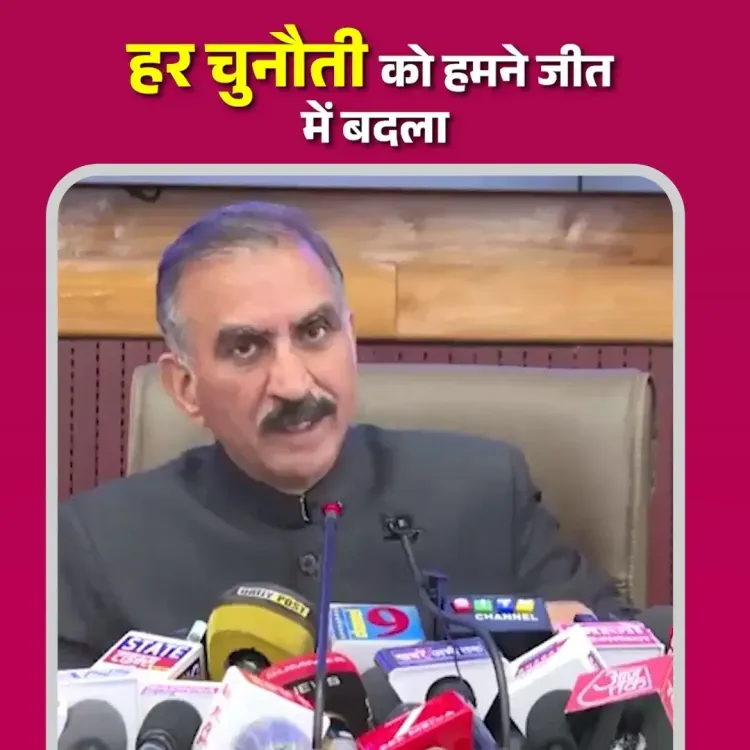
A 23-year-old legal battle over one of Himachal Pradesh's most storied luxury properties is finally over — and Himachal Pradesh Chief Minister Sukhvinder Singh Sukhu wants every taxpayer in the state to know exactly what that victory is worth. On Friday, 23 October 2026, the CM took to X to announce that the government had not only won the long-running Wild Flower Hall case in court but had already transferred the hotel's ownership to the state and deposited ₹401 crore into the state treasury.
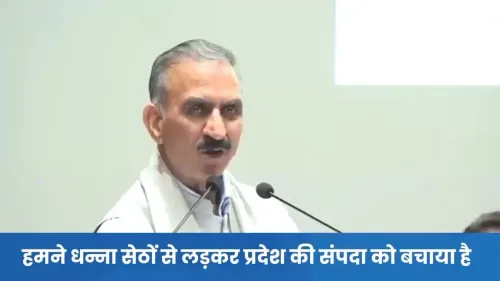
Sukhu's post, written in Hindi, draws a pointed contrast with the previous Bharatiya Janata Party government's handling of the dispute. 'पूर्व की भाजपा सरकार वाइल्ड फ्लावर हॉल केस में केवल रिट दायर करती रही' — ('The earlier BJP government kept filing only writs in the Wild Flower Hall case') — he wrote, adding that government lawyers had repeatedly failed to present facts effectively in court, costing the state the case each time.
A new legal playbook — and what it delivered
After the Congress government took office in December 2022, Sukhu says the administration overhauled its litigation strategy. Senior counsel were engaged, arguments were sharpened, and the result — after nearly a quarter-century of contested proceedings — was a court ruling in the state's favour. The CM confirmed that the hotel's intkal (ownership mutation) has since been executed in the government's name, making the victory legally complete.
Beyond the lump-sum recovery, the state is now drawing a recurring revenue stream: ₹1.70 crore per month in rent from the property. Over a year, that adds up to more than ₹20 crore annually from a single asset that had been tied up in litigation for two decades.
Wild Flower Hall — the property at the centre of it all
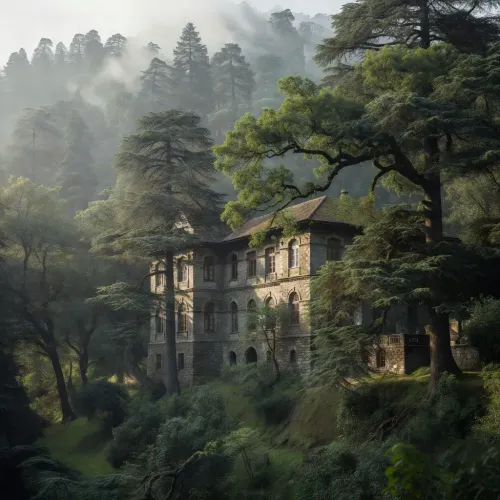
Wild Flower Hall, perched in Mashobra near Shimla, is one of the most recognisable heritage hotel addresses in the Indian Himalayas — originally built during the British colonial era and later converted into a high-end hospitality property. Its ownership status had been mired in legal dispute for years, making it both a financial liability and a reputational question mark for successive state governments.
The case's resolution hands the current administration a tangible governance credential: public asset recovered, revenue flowing, and a legal strategy that can now serve as a template for other pending state property disputes.
Taking the case to the 'court of public opinion'
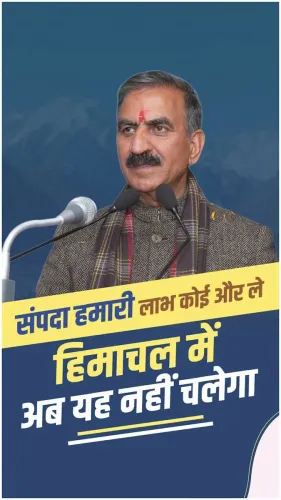
Sukhu's choice of language is deliberate. He frames the X post explicitly as a statement before 'janta ki adalat' — the court of public opinion — so citizens can judge 'who is how vigilant about their assets.' It is a direct political challenge dressed in the language of accountability, and it arrives as Himachal Pradesh's fiscal position remains a subject of ongoing scrutiny. Winning back a high-value property and generating monthly rental income from it gives the ruling party a concrete counter-narrative on economic stewardship.
The broader question — how the ₹401 crore windfall and monthly rent receipts will be deployed — is one the government has not yet answered publicly. But for now, the numbers alone carry significant weight in a hill state where every rupee of public revenue matters.
Frequently Asked Questions
What is the Wild Flower Hall case in Himachal Pradesh?
Wild Flower Hall is a historic luxury hotel property in Mashobra near Shimla whose ownership had been disputed in court for approximately 23 years. The Himachal Pradesh state government has now won the case and transferred ownership to the state.
How much money did Himachal Pradesh recover from the Wild Flower Hall case?
Chief Minister Sukhu stated that ₹401 crore has been deposited into the state treasury following the court victory, and the government is additionally receiving ₹1.70 crore per month in rent from the property.
What did the previous BJP government do in the Wild Flower Hall case?
CM Sukhu claimed the earlier BJP government repeatedly filed writs but failed to present facts effectively in court, resulting in the state losing the case multiple times.
How did the Congress government win the Wild Flower Hall case?
According to CM Sukhu, the Congress government changed its litigation strategy after taking office in December 2022 by engaging senior counsel, which ultimately led to a court ruling in the state's favour.
Where is Wild Flower Hall located?
Wild Flower Hall is a heritage hotel located in Mashobra, near Shimla, in Himachal Pradesh.