CM Sukhu Demands Amit Shah Resign Over Student Lathicharge Near Parliament
Synopsis
HP CM Sukhvinder Singh Sukhu has demanded Union Home Minister Amit Shah's resignation, arguing Shah bears full accountability — either for authorising or for being ignorant of — the beating of students 500 metres from Parliament, amplifying a Rahul Gandhi article on the incident.
Key Takeaways
CM Sukhvinder Singh Sukhu posted on 10 August 2026 demanding Amit Shah's resignation as Union Home Minister.
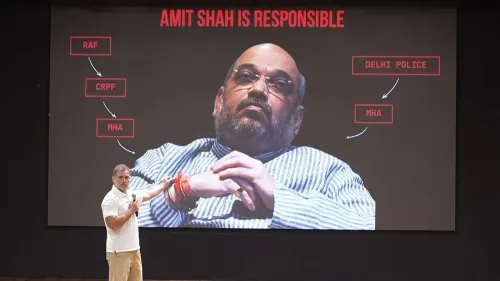
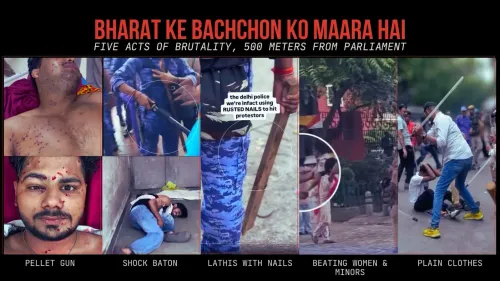
The incident in question involved students being beaten 500 metres from Parliament by central security forces that report to the Home Ministry.
Sukhu presented a two-option logic: Shah either approved the action or was unaware — both scenarios, he argues, make Shah responsible.
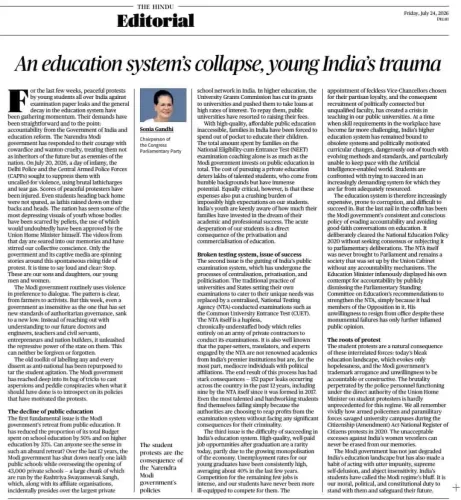
The post amplifies an article by Leader of Opposition Rahul Gandhi published in a major national daily.
The move is part of a broader Congress pattern of holding the Home Minister personally accountable for central force conduct during protests near Parliament.
An official response from the Ministry of Home Affairs is awaited.
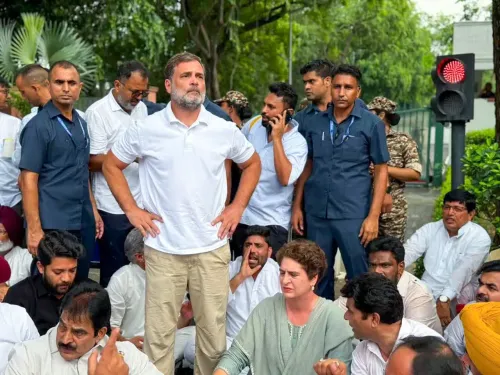
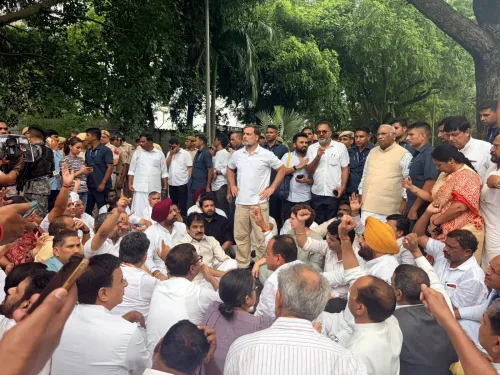
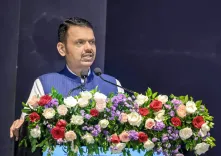
Five hundred metres from the seat of Indian democracy, students were beaten — and Himachal Pradesh Chief Minister Sukhvinder Singh Sukhu says there is only one person who must answer for it: Union Home Minister Amit Shah. On Monday, 10 August 2026, Sukhu posted a sharp political indictment on X, amplifying a piece by Leader of Opposition Rahul Gandhi and demanding Shah's resignation over the use of central security forces against student protesters near Parliament in New Delhi.
The Binary Sukhu Lays Out
Sukhu's argument is a deliberate, two-pronged trap. The security forces that carried out the action, he notes, report seedha (directly) to the Home Minister. That chain of command, he argues, leaves Shah no exit: either he authorised the crackdown on students — making him directly responsible — or he had no knowledge of it, which Sukhu calls a 'badi laparwahi' (grave dereliction of duty). 'In both circumstances,' Sukhu wrote, 'the responsibility for what happened that day rests with Amit Shah ji as Home Minister, and he should resign from his post.'
Rahul Gandhi's Article and the Congress Amplification Strategy
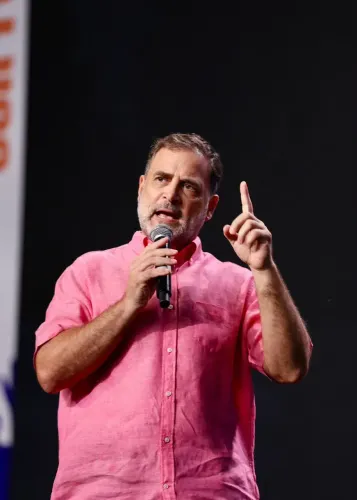
The post is explicitly framed as a share of an article by Rahul Gandhi, whom Sukhu describes as Jannayak — a people's leader — and the Leader of Opposition in the Lok Sabha. The article was published in a major national English-language daily. By amplifying it, Sukhu is doing more than agreeing: he is extending the Congress party's coordinated pressure campaign from the national stage down to a state chief minister's platform, widening the audience for the resignation demand.
Why the 500-Metre Detail Is Doing Political Work
The geographic precision — 500 metres from Parliament — is not incidental. It ties the incident directly to the symbolic heart of Indian constitutional life, sharpening the charge that the state used force against citizens at the very doorstep of their elected representatives. Opposition parties have a long record of holding the Union Home Minister personally accountable for the conduct of central armed police forces during protests in the capital, and this post follows that well-worn adversarial script — but with a structured legal-moral logic that goes beyond routine condemnation.
Whether the Ministry of Home Affairs issues a formal rebuttal, or whether the matter is raised on the floor of Parliament in the days ahead, will determine how far this demand travels beyond the opposition benches.
Point of View
Keeping the demand for resignation alive as a political cost even when institutional action is unlikely. The real test is whether this translates into coordinated parliamentary disruption or remains a social-media offensive.
NationPress
10 Aug 2026
Frequently Asked Questions
Why is CM Sukhu asking Amit Shah to resign?
Sukhu argues that central security forces — which report directly to Home Minister Amit Shah — beat students near Parliament, and that Shah must resign because he was either responsible for authorising the action or negligent in not knowing about it.
What happened to students near Parliament?
According to Sukhu's post, students were severely beaten by security forces approximately 500 metres from Parliament in New Delhi. Specific verified details of the incident are pending official confirmation.
What did Rahul Gandhi write about the student incident?
Rahul Gandhi, as Leader of Opposition, wrote an article in a major national daily addressing the crackdown on students near Parliament. Sukhu shared and endorsed the article's arguments in his post.
Which security forces are involved and who controls them?
Central armed police forces deployed in the capital report to the Ministry of Home Affairs, headed by Amit Shah — a fact Sukhu used as the basis of his accountability argument.
Has the Ministry of Home Affairs responded to the resignation demand?
As of the time of this report, no official response from the Ministry of Home Affairs has been issued regarding Sukhu's demand or the underlying incident.