Rahul Gandhi Marches to PM's House, Demands Resignation
Synopsis
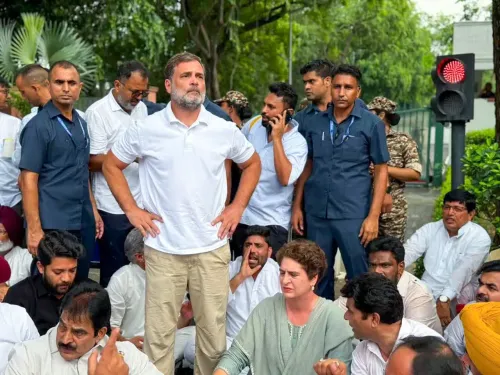
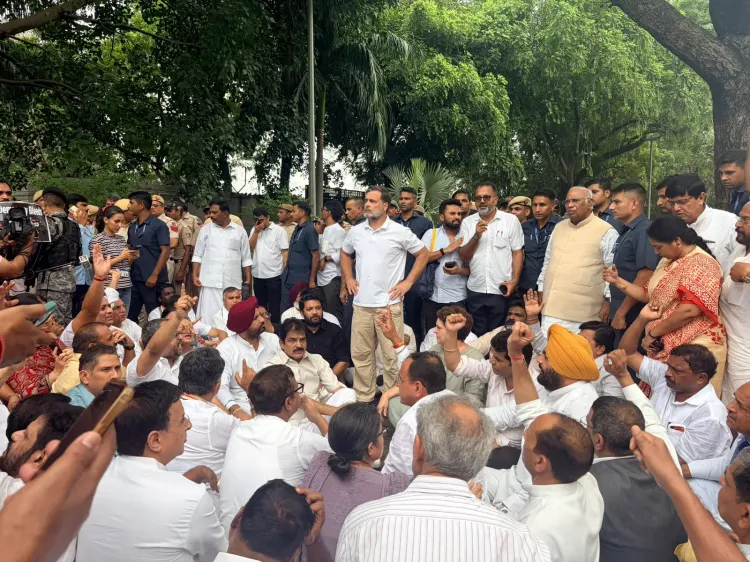
Leader of the Opposition Rahul Gandhi marched to Prime Minister Narendra Modi's residence on 21 July 2026, demanding resignations of PM Modi and Home Minister Amit Shah over alleged brutalities against students and calling for a parliamentary debate on the incident.
Key Takeaways
Rahul Gandhi led a Congress march to PM Narendra Modi 's official residence on 21 July 2026 .
Gandhi demanded the resignations of both PM Modi and Home Minister Amit Shah over alleged brutalities against students on 20 July 2026 .
He accused the government of refusing accountability and blocking a parliamentary debate on the incident.
Congress pinned the post on Gandhi's official X account, signalling intent to sustain the issue as a major political campaign.
The specific details of the student incident remain unconfirmed by independent sources at the time of publication.
The pattern mirrors earlier Congress-led protests during the 2016 JNU and 2019-2020 anti-CAA student demonstrations.
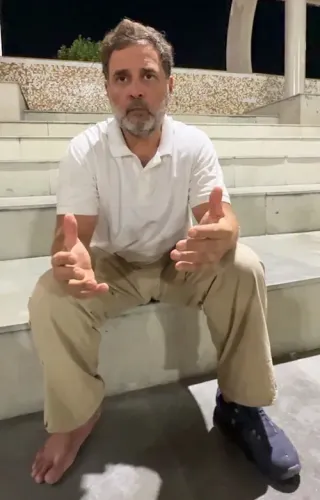
Congress leader Rahul Gandhi, Leader of the Opposition in Lok Sabha, led a march to Prime Minister Narendra Modi's residence on Tuesday, 21 July 2026, demanding accountability for what he described as 'brutalities against young students' carried out the previous day. Gandhi called for the resignations of both the Prime Minister and Home Minister Amit Shah, accusing the government of evading responsibility and blocking parliamentary debate on the incident.
Context
Gandhi posted on X that the opposition had marched to the Prime Minister's official residence to press for answers. 'The Government doesn't want to take any accountability or does it want to have a debate on it in Parliament,' he wrote, pinning the post for visibility. He charged that the ruling dispensation was 'destroying the future of India's youth' and demanded that both PM Modi and Home Minister Shah step down.
The post references an incident involving alleged use of force against student demonstrators on Monday, 20 July 2026. The specific details of that incident — including the location, the nature of the demonstrations, and the agencies involved — have not been independently confirmed at the time of publication.
Policy Backdrop
Opposition marches to the Prime Minister's residence are an established form of protest in Indian parliamentary democracy, typically deployed when opposition parties seek to force the government's hand on sensitive law-and-order matters. Congress has used this tactic before — most notably during the 2016 JNU campus protests and again during the 2019-2020 anti-CAA demonstrations, when the party demanded ministerial accountability for police action against student protesters.
Calls for the resignation of the Prime Minister and Home Minister over campus unrest or alleged police excesses follow a recurring pattern in Indian opposition politics. Parliament of India rules allow the opposition to seek adjournment motions or special debates on matters of urgent public importance, and Congress has regularly invoked these mechanisms during episodes of student unrest.
Stakeholders and Impact
The immediate stakeholders are university students and youth organisations who form the subject of Gandhi's protest, along with opposition parties that have rallied around the demand for a parliamentary debate. The BJP-led government faces pressure to either respond on the floor of the House or issue an official statement addressing the allegations of excessive force.
Gandhi's decision to pin the post signals that Congress intends to sustain this as a central political issue rather than a one-day news cycle. The move also places the issue squarely in the domain of Home Minister Amit Shah, who as the minister responsible for internal security is the primary target of accountability demands alongside the Prime Minister.
What's Next
All eyes will be on the next sitting of Parliament and whether the opposition succeeds in securing a formal debate or adjournment motion on the alleged student brutalities. The government is expected to respond either through an official statement or through its floor managers in both Houses. Further opposition protests, including possible solidarity marches by student wings of political parties, cannot be ruled out in the days ahead.
Should the government agree to a debate, it would mark a significant concession to opposition pressure. A refusal, on the other hand, is likely to intensify Congress's campaign and draw in other opposition constituents ahead of any upcoming legislative business.
Point of View
Framing the BJP as hostile to youth. This move fits squarely into Congress's broader strategy of positioning itself as the primary defender of students and civil liberties against state overreach, a theme the party has consistently amplified since 2016. Whether the government agrees to a parliamentary debate will determine how much political oxygen this episode continues to consume.
NationPress
20 Oct 2026
Frequently Asked Questions
Why did Rahul Gandhi march to PM Modi's house on 21 July 2026?
Rahul Gandhi marched to Prime Minister Narendra Modi's residence to demand accountability for alleged brutalities against students that reportedly occurred on 20 July 2026, and to call for a parliamentary debate on the incident.
Who has Rahul Gandhi asked to resign over the student protests?
Gandhi has demanded the resignations of both Prime Minister Narendra Modi and Union Home Minister Amit Shah, holding them responsible for what he called the destruction of India's youth's future.
Has Congress done this kind of march before?
Yes. Congress and allied opposition parties have organised similar marches and accountability protests during earlier episodes of student unrest, including the 2016 JNU protests and the 2019-2020 anti-CAA demonstrations.
What is Congress demanding in Parliament over the student incident?
Congress is demanding a formal parliamentary debate on the alleged use of force against student demonstrators, accusing the government of evading accountability on the matter.
What happens next after Rahul Gandhi's march to the PM's house?
The next Parliament session will be the key battleground, where the opposition is expected to push for an adjournment motion or special debate; the government's response — whether a statement or a floor debate — will shape how the issue develops.