CM Sukhu: Bara Bhangal's identity must be prosperity, not remoteness

Synopsis
Chief Minister Sukhvinder Singh Sukhu has declared that Bara Bhangal, one of Himachal Pradesh's most remote settlements, must be known for the prosperity and dignity of its people rather than its geographic inaccessibility, signalling a shift in the state's development narrative for isolated communities.
Key Takeaways
CM Thakur Sukhvinder Singh Sukhu stated that Bara Bhangal's identity should be defined by prosperity, dignity, and new opportunities — not by its remoteness.
The statement was shared by the Chief Minister's Office of Himachal Pradesh on 27 June 2026 .
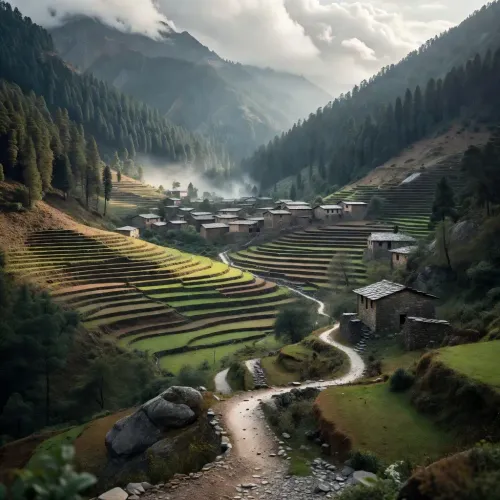
Bara Bhangal is a high-altitude hamlet in Kangra district , situated at approximately 3,000 metres in the Dhauladhar range, accessible only by foot for most of the year.
The region is home largely to the Gaddi pastoral community, which has historically had limited access to government services and economic infrastructure.
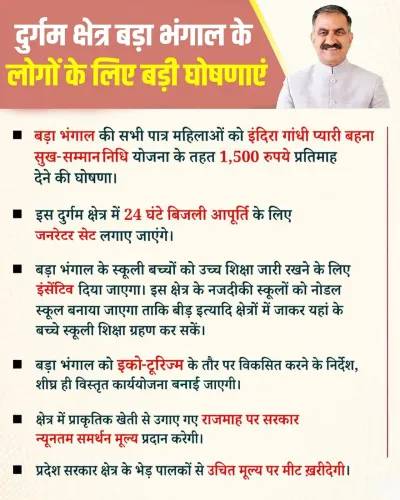
No specific scheme or financial allocation was announced; the statement signals political and administrative intent for future policy action.
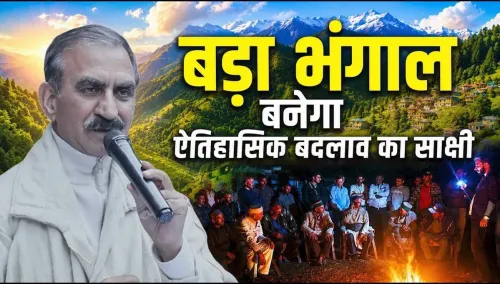
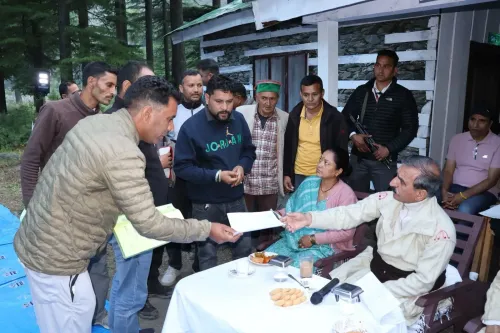
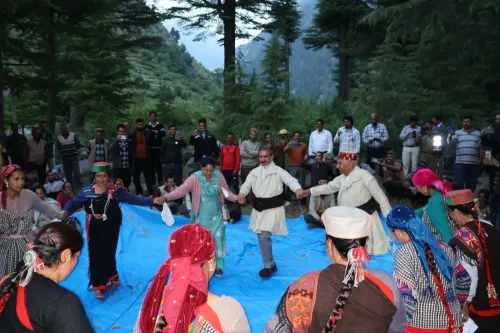
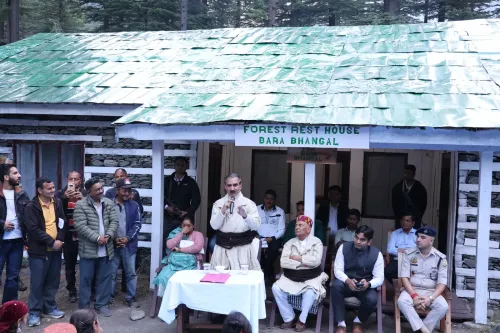
The Chief Minister's Office of Himachal Pradesh shared a statement on Saturday, 27 June 2026, quoting Chief Minister Thakur Sukhvinder Singh Sukhu on the government's vision for Bara Bhangal, one of the most remote and inaccessible regions in the state. The Chief Minister asserted that the region's identity should be defined not by its difficult terrain but by the prosperity, dignity, and new opportunities available to its people.
Context
The statement, posted on the official handle of the Chief Minister's Office, quotes CM Sukhu in Hindi: 'हमारा प्रयास है कि बड़ा भंगाल की पहचान इसकी दुर्गमता से नहीं, यहां के लोगों की समृद्धि, सम्मान और नए अवसरों से बने.' Translated: 'Our endeavour is that Bara Bhangal's identity should be shaped not by its inaccessibility, but by the prosperity, dignity, and new opportunities of its people.'
Bara Bhangal is a high-altitude hamlet located in the Kangra district of Himachal Pradesh, situated at roughly 3,000 metres above sea level in the Dhauladhar range. It remains one of the most geographically isolated settlements in the country, accessible only by foot for most of the year and cut off by snow during winters.
Policy Backdrop
The Himachal Pradesh government under CM Sukhu, who took office in December 2022, has repeatedly emphasised inclusive development for tribal and remote communities. Bara Bhangal falls under the category of regions that have historically lacked road connectivity, healthcare access, and economic infrastructure, making it a persistent challenge for successive state administrations.
The state has been pursuing connectivity and livelihood schemes for such areas under both centrally sponsored programmes and state-level initiatives. The Chief Minister's statement signals a reframing of development policy — moving from a narrative of infrastructural hardship to one centred on human dignity and economic empowerment.
Stakeholders and Impact
The residents of Bara Bhangal, predominantly from the Gaddi pastoral community, stand as the primary stakeholders. The community has long depended on seasonal migration, animal husbandry, and subsistence agriculture, with limited access to government services and market linkages.
If translated into concrete policy, the Chief Minister's vision could encompass improved road or helicopter connectivity, expansion of education and health services, and promotion of eco-tourism and handicrafts as livelihood avenues. The statement carries symbolic weight in signalling that the state administration acknowledges the historical neglect of such pockets and intends to address it.
What's Next
The statement does not announce a specific scheme or allocation, but it sets a clear political and administrative intent. Observers will watch whether the Sukhu government follows the declaration with targeted budget provisions or a dedicated development package for Bara Bhangal and similarly situated communities in the upcoming legislative and budgetary calendar.
For a region where geography has long dictated the limits of aspiration, the Chief Minister's articulation of a prosperity-first identity marks a meaningful shift in official discourse — one that will be measured against on-ground outcomes in the months ahead.
Point of View
Spotlighting one of the state's most neglected pockets carries electoral and moral resonance. The real test, however, lies in whether this articulation translates into measurable budget allocations and scheme deliveries in a state already navigating fiscal constraints. The statement also fits a broader national pattern of state governments using social media to signal intent on remote and tribal development ahead of policy cycles.
NationPress
26 Sept 2026
Frequently Asked Questions
Where is Bara Bhangal located in Himachal Pradesh?
Bara Bhangal is a remote high-altitude hamlet in the Kangra district of Himachal Pradesh, situated in the Dhauladhar mountain range at roughly 3,000 metres above sea level. It is accessible only by foot for most of the year and remains snowbound during winters.
What did CM Sukhu say about Bara Bhangal?
CM Sukhvinder Singh Sukhu said that the government's endeavour is to ensure Bara Bhangal's identity is shaped by the prosperity, dignity, and new opportunities of its people — not by the region's geographic inaccessibility.
Who lives in Bara Bhangal?
Bara Bhangal is predominantly inhabited by the Gaddi community, a pastoral group that traditionally relies on seasonal migration, animal husbandry, and subsistence agriculture.
What schemes are planned for Bara Bhangal?
No specific scheme or financial allocation has been announced as of 27 June 2026. CM Sukhu's statement signals intent; concrete policy measures, if any, are expected to emerge in subsequent budget or legislative proceedings.
Why is Bara Bhangal considered inaccessible?
Bara Bhangal's inaccessibility stems from its high-altitude location in the Dhauladhar range, the absence of motorable roads, and heavy snowfall that cuts off the hamlet for several months each year, limiting residents' access to markets, healthcare, and government services.