CM Sukhu Flags MGNREGA Replacement as Fiscal Risk for HP
Synopsis
Himachal Pradesh CM Sukhvinder Singh Sukhu has opposed replacing MGNREGA with a new central scheme that would require the state to bear 10% of costs, calling it fiscally harmful. He chaired a rural development review in Shimla on 8 July 2026, announcing Rs 30 crore for panchayat buildings and expanded SHG support.
Key Takeaways
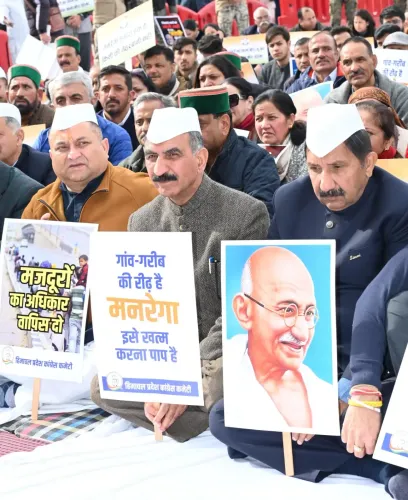
CM Sukhu declared that replacing MGNREGA with the proposed VB-G-Ram-Ji Yojana is not in Himachal Pradesh's interest and will be raised with the Union government.
Under MGNREGA , the Centre funded 100 per cent of costs; the new scheme would require the state to bear 10 per cent of total expenditure.
Rs 30 crore will be released to complete under-construction panchayat buildings ; additional funds allocated for the District Panchayat Resource Centre in Una .
310 Self Help Groups have received Rs 65.56 lakh in credit support; 'Himachal Haat' in Shimla is being built to market their products.
All major rural development schemes will be linked to the Chief Minister's Dashboard for real-time monitoring.
Vacant departmental posts are being filled on priority, with fresh recruitments also planned.
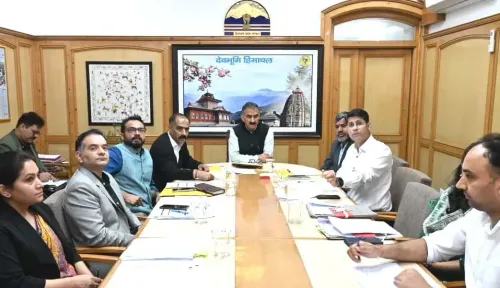
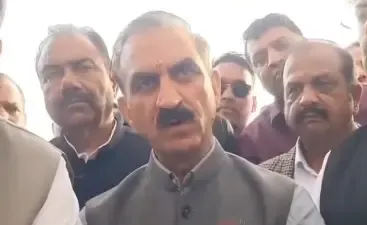
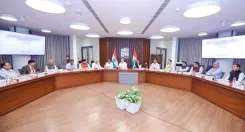
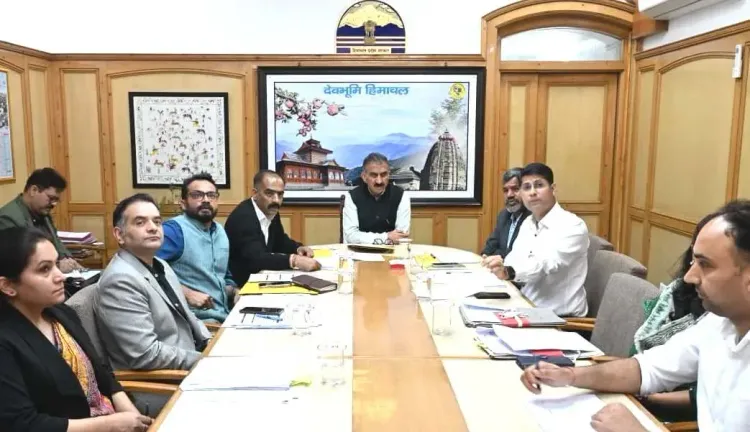
Himachal Pradesh Chief Minister Sukhvinder Singh Sukhu on Wednesday, 8 July 2026, chaired a review meeting of the Rural Development and Panchayati Raj Department in Shimla, declaring that replacing the Mahatma Gandhi National Rural Employment Guarantee Act (MGNREGA) with a proposed central scheme called 'VB-G-Ram-Ji Yojana' would be detrimental to Himachal Pradesh's fiscal interests and pledged to raise the matter with the Union government.
Context
Sukhu stated that under MGNREGA, the Union government bore 100 per cent of the expenditure, whereas the proposed replacement scheme would require the state to shoulder 10 per cent of total costs. In a post on X, he wrote: 'Mahatma Gandhi Rashtriya Gramin Rozgar Guarantee Adhiniyam (MGNREGA) ko band kar uski jagah VB-G-Ram-Ji Yojana laagu karna Himachal Pradesh ke hit mein nahin hai' — ('Discontinuing MGNREGA and replacing it with the VB-G-Ram-Ji Yojana is not in the interest of Himachal Pradesh.'). The Chief Minister said this additional financial burden would strain the state's already limited fiscal resources.
Policy Backdrop
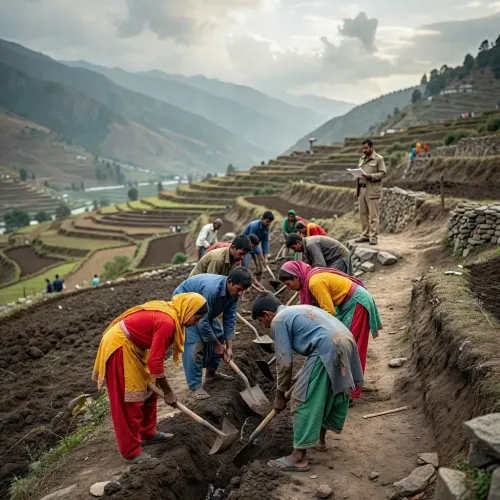
MGNREGA, enacted by Parliament in 2005, provides a legal guarantee of up to 100 days of wage employment per year to rural households across India, with the Union government funding wages entirely. Himachal Pradesh, a hill state with a large rural population and constrained own-tax revenues, is particularly dependent on centrally funded rural development transfers. Periodic restructuring of centrally sponsored schemes — which shifts a portion of costs to state budgets — has been a recurring source of friction between hill states and the Union government, given the asymmetry in fiscal capacity.
Decisions Taken at the Review Meeting
Beyond the MGNREGA concern, the review meeting produced several departmental decisions. Vacant posts in the Rural Development and Panchayati Raj Department are being filled on a priority basis, with fresh recruitments planned to strengthen administrative capacity. Rs 30 crore will be released to complete panchayat buildings currently under construction, and additional funds will be provided for the District Panchayat Resource Centre being built in Una.
On Self Help Groups (SHGs), Sukhu noted that 310 groups have so far received Rs 65.56 lakh in credit support. A dedicated marketplace called 'Himachal Haat' is being developed in Shimla to market SHG products, and food vans have been provided to groups with more planned for the future. The Chief Minister also directed that all major departmental schemes be integrated with the Chief Minister's Dashboard for real-time monitoring. Rural Development and Panchayati Raj Minister Anirudh Singh and senior officials were present at the meeting.
Stakeholders and Impact
The proposed cost-sharing shift would directly affect rural households in Himachal Pradesh who depend on MGNREGA wages as a livelihood safety net, particularly in lean agricultural seasons. Panchayati Raj institutions stand to benefit from the infrastructure push — the Rs 30 crore allocation for incomplete panchayat buildings addresses a long-pending gap in grassroots governance infrastructure. Women-led self-help groups are the primary beneficiaries of the credit and marketing interventions, with 'Himachal Haat' intended to provide them a formal retail channel.
What's Next
The state government has committed to formally raising the MGNREGA replacement issue before the Union Ministry of Rural Development. The outcome of those discussions will determine whether Himachal Pradesh faces additional fiscal pressure or whether the Centre accommodates hill-state concerns in the final design of the new scheme. Progress on panchayat construction, SHG expansion, and dashboard integration will be tracked through the Chief Minister's monitoring system going forward.
Point of View
He frames the Centre's scheme restructuring as an unfunded mandate that disproportionately burdens hill states with limited revenue bases. This fits a broader pattern of Congress-governed states pushing back against changes to centrally sponsored schemes that alter funding ratios. The announcement of Rs 30 crore for panchayat buildings and SHG credit expansion simultaneously allows Sukhu to signal delivery on rural governance without waiting for the Centre's resolution. The dashboard integration directive suggests an effort to tighten accountability ahead of what could be a contested policy negotiation with New Delhi.
NationPress
8 Jul 2026
Frequently Asked Questions
What is the VB-G-Ram-Ji Yojana and why is Himachal Pradesh opposing it?
The VB-G-Ram-Ji Yojana is a proposed central scheme intended to replace MGNREGA. Himachal Pradesh CM Sukhu opposes it because, unlike MGNREGA where the Centre funded 100% of costs, the new scheme requires the state to bear 10% of total expenditure — adding pressure to the state's limited finances.
What did CM Sukhu announce for panchayat buildings in Himachal Pradesh?
CM Sukhu announced that Rs 30 crore will be provided to complete panchayat buildings currently under construction across Himachal Pradesh. Additional funds will also be released for the District Panchayat Resource Centre being built in Una.
How much credit support have Self Help Groups in Himachal Pradesh received?
As of the 8 July 2026 review meeting, 310 Self Help Groups in Himachal Pradesh have received Rs 65.56 lakh in credit support. The state is also building 'Himachal Haat' in Shimla to help these groups market their products.
What is MGNREGA and how does it work?
MGNREGA — the Mahatma Gandhi National Rural Employment Guarantee Act — is a 2005 central law guaranteeing up to 100 days of wage employment per year to rural households in India, with the Union government bearing the full wage cost.
What is the Chief Minister's Dashboard in Himachal Pradesh?
The Chief Minister's Dashboard is a real-time monitoring system used by the Himachal Pradesh government. CM Sukhu has directed that all major Rural Development and Panchayati Raj schemes be integrated with it for better oversight and accountability.