CM Sukhu hails Shabnam Jassal on representing India in Sri Lanka
Synopsis
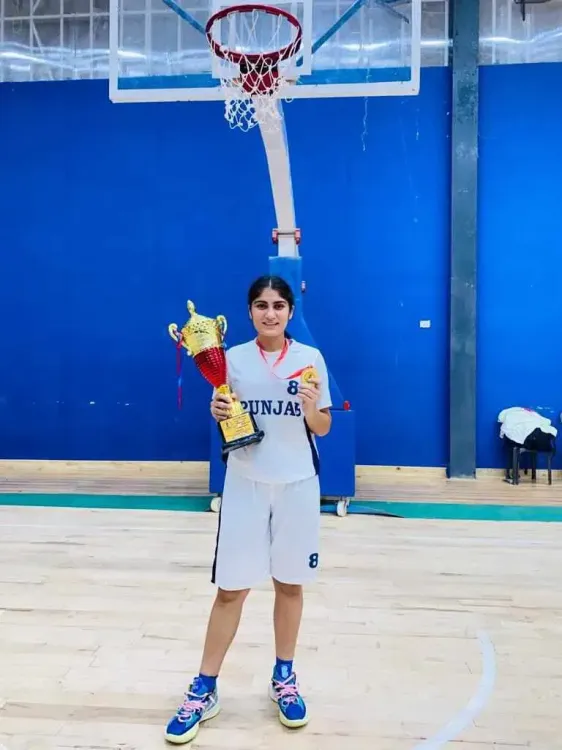
HP CM Sukhvinder Singh Sukhu congratulated Shabnam Jassal from Shekhupur village in Kangra's Indora constituency for representing India at an international basketball tournament in Sri Lanka, calling her achievement a matter of pride for the state.
Key Takeaways
Shabnam Jassal , a basketball player from Shekhupur village , Indora constituency , Kangra district , represented India at an international tournament in Sri Lanka .
CM Sukhvinder Singh Sukhu publicly congratulated her on 20 October 2026 via a post on X.
Sukhu described the achievement as a matter of pride for Himachal Pradesh and called it an inspiration for youth, especially emerging women athletes.
The recognition highlights a rural-to-international sporting journey in a state where hilly terrain and limited infrastructure make such breakthroughs rare.
The Chief Minister's public acknowledgement signals state-level attention to women's grassroots sports development in districts like Kangra .
A village in the hills of Kangra district has sent a player to an international basketball court — and Himachal Pradesh Chief Minister Sukhvinder Singh Sukhu wants the country to take notice. On Tuesday, 20 October 2026, CM Sukhu took to X to congratulate Shabnam Jassal, a basketball player from Shekhupur village in the Indora assembly constituency, for representing the Indian national team at an international tournament held in Sri Lanka.
In his post, CM Sukhu described Jassal's achievement as 'garv ka vishay' — a matter of pride — for Himachal Pradesh, and expressed hope that her success would inspire young athletes, especially emerging women players, to pursue sports. 'Her success will motivate youth, particularly rising women athletes, to move forward in the field of sports,' he wrote, extending his best wishes for her future competitions.
From Shekhupur to the international court
Shabnam Jassal's journey from a small village in the rugged Kangra hills to international basketball is the kind of story that policy speeches reference but rarely personalise. Indora, the assembly segment where Shekhupur sits, is a predominantly rural constituency — making Jassal's ascent to national representation all the more striking. Basketball in India has historically been an urban sport, centred around metro academies and state capitals; a player from a hill village earning an India call-up cuts against that grain.
Why CM Sukhu's shoutout carries weight
Chief ministers across India routinely congratulate athletes who represent the country abroad, but the framing here goes beyond protocol. By specifically spotlighting a woman athlete from a rural constituency, Sukhu is threading a message about gender inclusion in sports — an emphasis that aligns with broader national conversations around increasing women's participation at elite levels. Himachal Pradesh, with a modest population spread across difficult terrain, has had to work harder than larger states to keep its sporting talent from migrating to bigger centres for training and competition.
The public acknowledgement by the Chief Minister can itself act as informal infrastructure — signalling to coaches, district sports bodies, and families in similar constituencies that the state is watching and celebrating such breakthroughs.
Point of View
He reinforces a brand of inclusive governance that resonates in a hill state where development is often framed around who gets left behind. The spotlight on Jassal also quietly pressures district sports bodies to extend institutional support before the next promising talent slips through. At a national level, it fits a growing pattern where state governments compete to be seen as nurseries of sporting talent, linking grass-roots recognition to electoral goodwill in semi-rural constituencies.
NationPress
20 Oct 2026
Frequently Asked Questions
Who is Shabnam Jassal?
Shabnam Jassal is an international basketball player from Shekhupur village in the Indora assembly constituency of Kangra district, Himachal Pradesh. She represented the Indian national team at an international tournament held in Sri Lanka.
Why did CM Sukhu congratulate Shabnam Jassal?
Himachal Pradesh Chief Minister Sukhvinder Singh Sukhu congratulated Shabnam Jassal for representing India at an international basketball tournament in Sri Lanka, calling her achievement a matter of pride for the state and an inspiration for young women athletes.
Which tournament did Shabnam Jassal play in Sri Lanka?
Shabnam Jassal represented India at an international basketball tournament held in Sri Lanka. Specific details about the tournament's name or dates have not been confirmed in official statements.
Where is Indora constituency located?
Indora is a Vidhan Sabha (assembly) constituency located in Kangra district, Himachal Pradesh. Shekhupur village, home to basketball player Shabnam Jassal, falls within this constituency.
How does Himachal Pradesh support women athletes?
Himachal Pradesh periodically highlights individual sporting successes — including public acknowledgements by the Chief Minister — to encourage wider participation in sports, particularly among women from rural areas, aligning with national goals of gender inclusion in athletics.