CM Sukhu highlights orphan's self-reliance via Sukh-Ashray Yojana
Synopsis
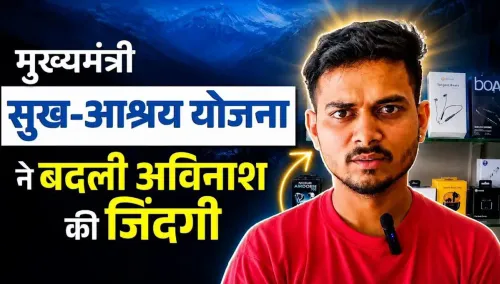
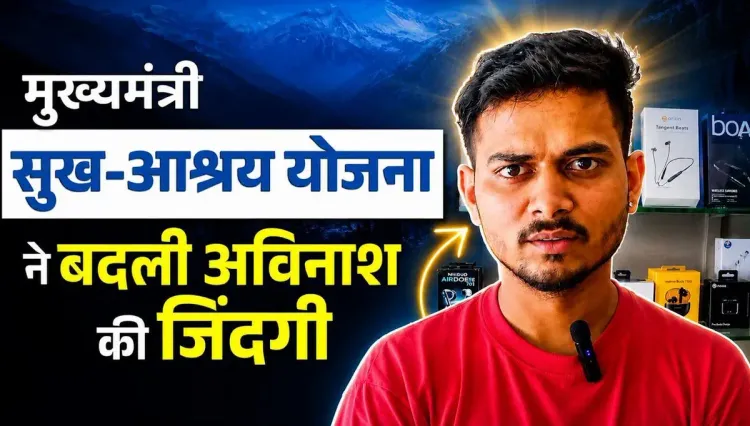
Himachal Pradesh Chief Minister Sukhvinder Singh Sukhu on 8 July 2026 shared the story of Avinash from Una district, an orphan who used state support under the Mukhya Mantri Sukh-Ashray Yojana to open a mobile shop, with his brother also receiving aid under the same scheme.
Key Takeaways
CM Sukhvinder Singh Sukhu shared the story of Avinash from Una district on 8 July 2026 to highlight the impact of the Mukhya Mantri Sukh-Ashray Yojana .
Avinash lost both parents in childhood and received financial assistance and protection under the state welfare scheme.
He now runs his own mobile phone shop , achieving economic self-reliance through state support.
Avinash's brother is also receiving financial assistance under the same scheme.
The Mukhya Mantri Sukh-Ashray Yojana is a flagship welfare initiative of the Himachal Pradesh Congress government that took office in December 2022 .
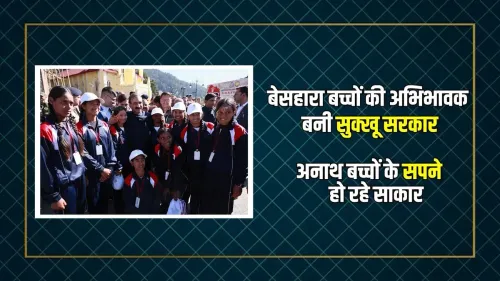
The scheme targets orphaned and vulnerable children across Himachal Pradesh , aiming to foster self-employment and financial independence.
Himachal Pradesh Chief Minister Sukhvinder Singh Sukhu on Wednesday, 8 July 2026, shared the story of Avinash, a young man from Una district, to illustrate how the state government's Mukhya Mantri Sukh-Ashray Yojana is enabling orphaned youth to achieve economic independence. Sukhu posted the account on X, describing how timely state support transformed Avinash's life after he lost both parents in childhood.
Context
In his post, Chief Minister Sukhu wrote: 'ऊना जिला के अविनाश की कहानी इस विश्वास को मजबूत करती है कि समय पर मिला सहयोग जीवन की दिशा बदल सकता है' — 'The story of Avinash from Una district strengthens the belief that support received at the right time can change the direction of life.' After losing his parents early in life, Avinash came under the protection of the Mukhya Mantri Sukh-Ashray Yojana, which provided him financial assistance and institutional support. He now runs his own mobile phone shop, and his brother is also receiving financial aid under the same scheme. Sukhu described both siblings as living 'a happy life.'
Policy Backdrop
The Mukhya Mantri Sukh-Ashray Yojana is a flagship welfare initiative of the Himachal Pradesh government under the Congress administration that took office in December 2022. The scheme is designed to provide protection, financial assistance, and pathways to self-reliance for orphaned and vulnerable children in the state. It operates within the broader framework of child welfare obligations under India's Juvenile Justice system, supplemented by state budget allocations.
Indian states have periodically launched targeted schemes for orphans and destitute youth, covering education, skill development, and small enterprise support. The current Himachal Pradesh government has made the scheme a visible part of its social welfare narrative, using individual beneficiary stories to demonstrate on-ground impact.
Stakeholders and Impact
The primary beneficiaries of the Mukhya Mantri Sukh-Ashray Yojana are orphaned children and vulnerable youth across Himachal Pradesh's twelve districts. Una district, located in the southwestern part of the state bordering Punjab, is among the areas where the scheme is being implemented. Avinash's case — entrepreneurship through a mobile shop — reflects the scheme's stated goal of promoting self-employment alongside financial protection.
The scheme's reach extends to siblings within the same family unit, as illustrated by Avinash's brother also receiving assistance. This approach aims to prevent economic fragmentation of vulnerable households.
What's Next
Attention will now turn to the state's budget allocations and any potential expansion of the Mukhya Mantri Sukh-Ashray Yojana — including eligibility criteria, benefit amounts, and geographic coverage — in the coming financial year. The Sukhu government's continued promotion of individual success stories signals a communication strategy aimed at building public confidence in the scheme ahead of any such announcements. As Himachal Pradesh seeks to balance fiscal constraints with welfare commitments, the sustainability and scale of schemes like Sukh-Ashray will remain a key measure of the administration's social policy record.
Point of View
Chief Minister Sukhu is deploying a well-established political communication tactic — the human-interest beneficiary narrative — to validate a flagship scheme ahead of potential budget decisions. The Sukh-Ashray Yojana sits at the intersection of child welfare, the Juvenile Justice framework, and the Congress government's broader 'guarantees' agenda in Himachal Pradesh. Sharing such stories on social media also serves to pre-empt Opposition criticism of welfare spending by making impact tangible and personal. The emphasis on sibling coverage and entrepreneurship signals that the government is positioning the scheme not merely as relief, but as a structured ladder to economic independence.
NationPress
8 Jul 2026
Frequently Asked Questions
What is Mukhya Mantri Sukh-Ashray Yojana in Himachal Pradesh?
Mukhya Mantri Sukh-Ashray Yojana is a Himachal Pradesh government welfare scheme that provides financial assistance, protection, and support to orphaned and vulnerable children, with the aim of enabling their self-reliance and economic independence.
Who is Avinash from Una district Himachal Pradesh?
Avinash is a young man from Una district in Himachal Pradesh who lost both parents in childhood and received support under the Mukhya Mantri Sukh-Ashray Yojana. He now runs a mobile phone shop and is cited by CM Sukhu as a success story of the scheme.
What did CM Sukhu post about on 8 July 2026?
On 8 July 2026, Chief Minister Sukhvinder Singh Sukhu posted on X about Avinash, an orphan from Una district, describing how the Mukhya Mantri Sukh-Ashray Yojana helped him achieve self-reliance by supporting him in opening a mobile shop.
Which district does Avinash the Sukh-Ashray beneficiary belong to?
Avinash belongs to Una district, located in the southwestern part of Himachal Pradesh bordering Punjab.
How does Himachal Pradesh support orphaned children under Sukh-Ashray Yojana?
Under the Mukhya Mantri Sukh-Ashray Yojana, the Himachal Pradesh government provides financial assistance and institutional protection to orphaned and vulnerable children, supporting both their basic welfare and pathways to self-employment and economic independence.