CM Sukhu: HP school safety decision ensures clean, secure learning
Synopsis
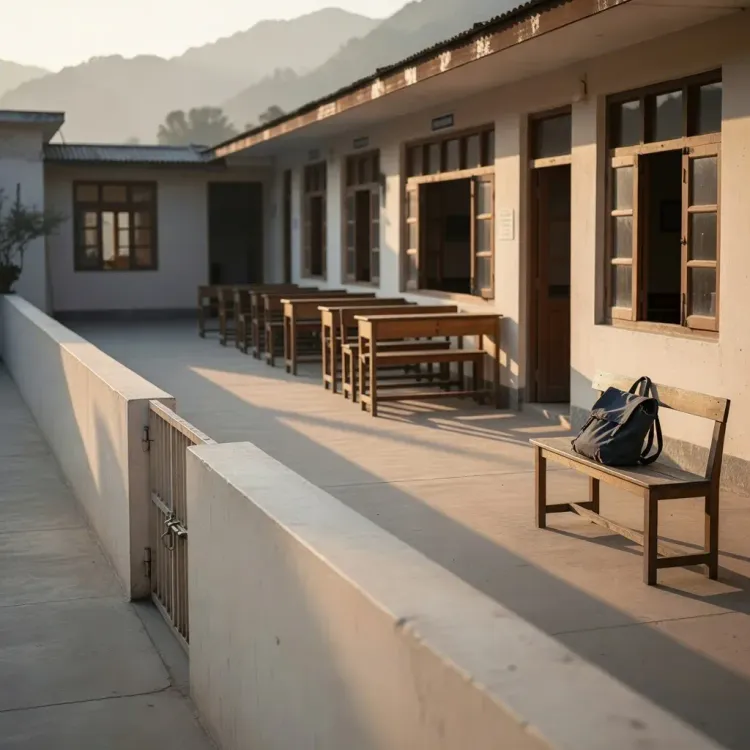
Chief Minister Sukhvinder Singh Sukhu has stated that a recent Himachal Pradesh government decision will strengthen school security arrangements and ensure students across the state have access to a clean, safe, and improved educational environment.
Key Takeaways
Chief Minister Thakur Sukhvinder Singh Sukhu attributed a statement on 21 July 2026 affirming that a government decision will improve school safety in Himachal Pradesh .
The decision is intended to 'strengthen security arrangements of schools' and deliver a 'clean, safe, and better educational environment' for students.
The initiative aligns with the Himachal Pradesh Department of Education 's broader school infrastructure modernisation drive under the National Education Policy 2020 .
Government school students and staff are the primary beneficiaries, with particular relevance for students in hilly and rural districts.
A phased district-level rollout and possible supplementary budget provisions are expected to follow the announcement.
The Chief Minister's Office of Himachal Pradesh on Tuesday, 21 July 2026 shared a statement from Chief Minister Thakur Sukhvinder Singh Sukhu affirming that a recent government decision will strengthen security arrangements in schools and provide students with a clean, safe, and better educational environment across the state.
Context
The Chief Minister's statement, posted in Hindi, reads: 'is nirnay se vidyalayon ki suraksha vyavastha sudridh hogi tatha vidyarthiyon ko swachh, surakshit evam behtar shaikshnik vatavaran uplabdh hoga' — meaning, 'This decision will strengthen the security arrangements of schools and provide students with a clean, safe, and better educational environment.' The remark is attributed directly to Chief Minister Thakur Sukhvinder Singh Sukhu, signalling the administration's intent to prioritise school-level safety infrastructure.
While the specific decision referenced in the post has not been elaborated upon in this communication, the statement positions it as a measure with direct, tangible impact on the daily experience of school-going children in Himachal Pradesh.
Policy Backdrop
The Himachal Pradesh Department of Education has been working on school infrastructure modernisation and safety audits aligned with the National Education Policy 2020. These efforts have focused on upgrading facilities across government schools in the state's hilly and rural regions, where access to quality infrastructure has historically been uneven.
Across India, state governments have progressively adopted school safety guidelines issued by the Ministry of Education following national-level reviews of campus security. Himachal Pradesh's emphasis on clean and secure learning environments fits a broader pattern of post-pandemic upgrades that have gained renewed urgency in geographically challenging terrains.
Stakeholders and Impact
The primary beneficiaries of this decision are government school students and teaching staff across Himachal Pradesh. For students in remote hill districts, improvements to school safety and sanitation can directly affect attendance rates, particularly among girls, and overall academic engagement.
School administrators and local education officers are expected to be key implementers, working alongside the state education department to operationalise whatever security and cleanliness measures the decision entails. Community stakeholders, including parents and village-level bodies, are also likely to be engaged in monitoring outcomes.
What's Next
Attention will now turn to the phased rollout of these security upgrades across districts, and whether supplementary budget provisions or a formal monitoring framework will be presented in the Himachal Pradesh Legislative Assembly. A detailed policy circular or implementation guideline from the state education department is anticipated.
If the initiative is backed by dedicated funding and district-level accountability mechanisms, it could serve as a replicable model for other hill states grappling with similar school infrastructure challenges.
Point of View
Issued through the official CMO account, is a deliberate signal that education infrastructure remains a political priority for the Congress-led Himachal Pradesh government. By framing the move in terms of student welfare — cleanliness, security, and a better learning environment — the administration is speaking directly to parents and educators ahead of a potential assembly review. This fits a pattern seen across several state governments of using school safety and NEP 2020 alignment as low-controversy, high-visibility policy wins. The real test will be whether implementation details and budget allocations follow swiftly enough to translate the statement into measurable outcomes.
NationPress
21 Jul 2026
Frequently Asked Questions
What decision did CM Sukhu announce for Himachal Pradesh schools?
Chief Minister Sukhvinder Singh Sukhu stated on 21 July 2026 that a government decision has been taken to strengthen security arrangements in schools and provide students with a clean, safe, and better educational environment, though specific operational details were not disclosed in the announcement.
How will the Himachal Pradesh school safety decision affect students?
The decision is expected to improve physical security infrastructure and cleanliness standards in government schools across Himachal Pradesh, benefiting students and staff, particularly in hilly and rural areas where facilities have historically lagged.
Is this related to the National Education Policy 2020?
Yes, Himachal Pradesh's school infrastructure and safety initiatives have been broadly aligned with the National Education Policy 2020, which emphasises safe and inclusive learning environments across government schools.
Who is Sukhvinder Singh Sukhu?
Thakur Sukhvinder Singh Sukhu is the Chief Minister of Himachal Pradesh, serving since December 2022. He leads the state government's initiatives on education, infrastructure, and social welfare.
What happens next after CM Sukhu's school safety announcement?
Observers will watch for a phased district-level rollout of security upgrades, any supplementary budget allocations, and monitoring reports that may be presented in the Himachal Pradesh Legislative Assembly to track implementation progress.