PM Modi approves ₹7,000 cr for Barabanki-Bahraich 4-lane highway
Synopsis
Prime Minister Narendra Modi has approved ₹7,000 crore for a 102-km four-lane access-controlled National Highway between Barabanki and Bahraich in Uttar Pradesh, as announced by Chief Minister Yogi Adityanath's office on 21 July 2026.
Key Takeaways
Prime Minister Narendra Modi has approved ₹7,000 crore for a new National Highway project in Uttar Pradesh .
The highway will be 102 kilometres long, connecting Barabanki and Bahraich .
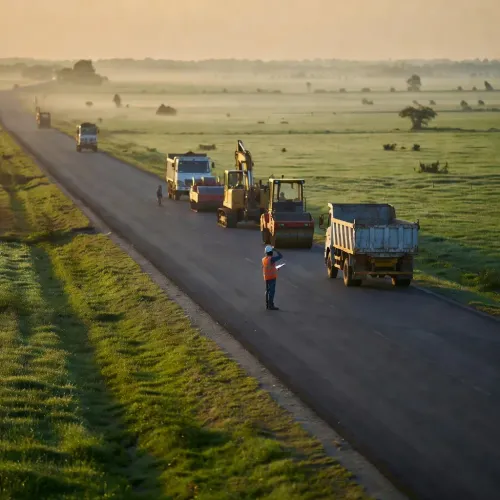
The corridor will be a four-lane, access-controlled National Highway, permitting entry and exit only at designated points.
The announcement was made by the Chief Minister's Office of Uttar Pradesh and attributed to CM Yogi Adityanath on 21 July 2026 .
The project will improve connectivity in the Terai belt and towards the Indo-Nepal border region.
Land acquisition, tendering, and construction timelines are yet to be formally announced.
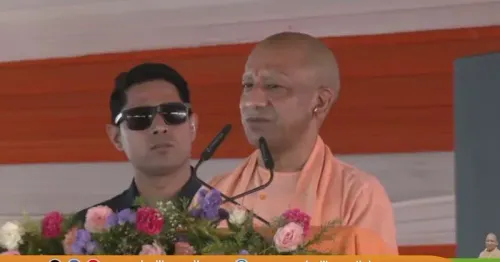
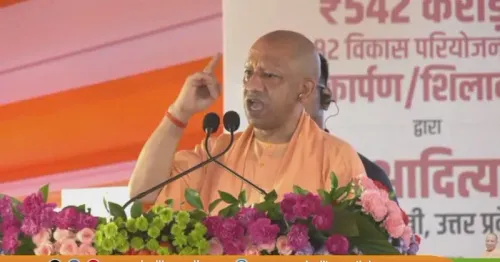
The Chief Minister's Office of Uttar Pradesh announced on Tuesday, 21 July 2026 that Prime Minister Narendra Modi has approved ₹7,000 crore for the construction of a 102-kilometre four-lane access-controlled National Highway connecting Barabanki and Bahraich. The announcement was attributed directly to Chief Minister Yogi Adityanath.
What was announced
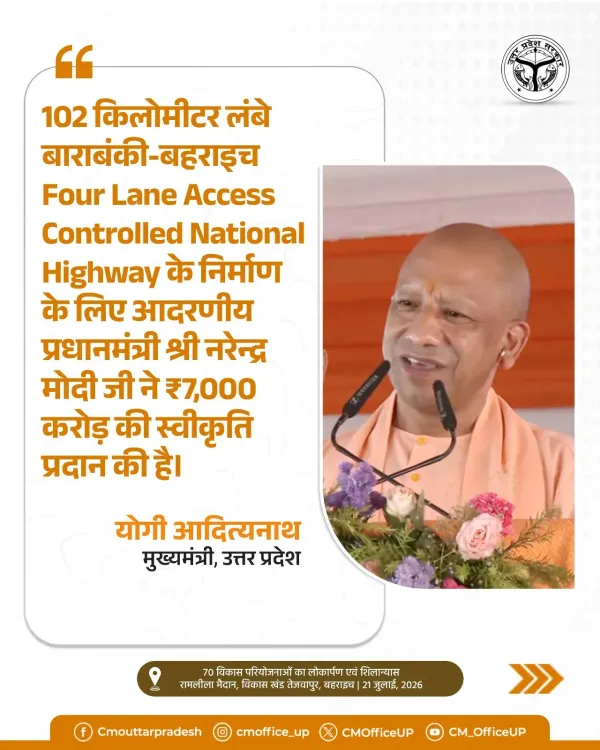
The CM Office posted that '102 kilometre lambe Barabanki-Bahraich Four Lane Access Controlled National Highway ke nirman ke liye aadarniya Pradhanmantri Shri Narendra Modi ji ne ₹7,000 crore ki sweekriti pradan ki hai' — meaning Prime Minister Modi has granted approval of ₹7,000 crore for the construction of the 102-km Barabanki-Bahraich Four Lane Access Controlled National Highway. The statement was issued in the name of Chief Minister Yogi Adityanath.
Context
Barabanki and Bahraich are two districts in the Awadh and Terai belt of Uttar Pradesh, lying to the north-east of Lucknow. The corridor passes through a region that borders Nepal and has historically been underserved by high-quality road infrastructure. An access-controlled highway — where entry and exit are permitted only at designated interchanges — is designed to enable higher speeds, reduce accidents, and cut freight and passenger travel times significantly.
The stretch connects a major commercial hub (Barabanki, close to Lucknow) with Bahraich, a district that serves as a gateway to the Indo-Nepal border. Improved connectivity on this corridor is expected to benefit trade, pilgrimage movement to sites in the Terai region, and border-area development.
Policy backdrop
The approval fits within the Central Government's broader push to expand the National Highway network across Uttar Pradesh, which has seen several expressway and highway projects sanctioned in recent years under the Bharatmala Pariyojana and related programmes. Uttar Pradesh has been one of the largest beneficiaries of National Highway investment in India, given its population size, strategic location, and economic weight. Access-controlled corridors are a priority format under current highway policy, as they allow higher vehicle speeds and are safer than conventional highways.
A project of ₹7,000 crore for 102 km implies an approximate per-kilometre cost of roughly ₹68.6 crore, consistent with the cost range for four-lane access-controlled greenfield or brownfield highway projects in the Gangetic plains.
Stakeholders and impact
Residents, farmers, and traders across Barabanki and Bahraich districts stand to benefit most directly from reduced travel times and lower logistics costs once the highway is operational. The Terai region, which includes significant agricultural output and border trade with Nepal, is expected to see improved market access. The project will also generate employment during the construction phase in a region where industrial activity remains limited.
From a political standpoint, the sanction strengthens the partnership narrative between the BJP-led Central Government and the Yogi Adityanath administration in Uttar Pradesh, with both governments citing infrastructure as a central plank of governance ahead of future electoral cycles.
What's next
With financial approval now in place, the next steps will involve land acquisition, detailed project reports, and tendering by the National Highways Authority of India (NHAI) or the relevant executing agency. Construction timelines and a project completion date have not been specified in the announcement. The highway, once built, is expected to become a key artery linking Lucknow's periphery to the Nepal border region in northern Uttar Pradesh.
Point of View
000 crore sanction for the Barabanki-Bahraich corridor is part of a consistent pattern of the Central Government channelling large highway investments into Uttar Pradesh, India's most populous state and a critical electoral battleground. Access-controlled highways have become a signature infrastructure format under current policy, and approvals of this scale are typically announced with political visibility — here, attributed directly to CM Yogi Adityanath — to reinforce the BJP's governance narrative at both the state and national level. The Barabanki-Bahraich route is strategically significant beyond politics: it connects Lucknow's hinterland to the Nepal border, a corridor that has seen growing interest for trade and border-area development. The real test will be in execution timelines, which for projects of this scale in UP have historically stretched well beyond initial estimates.
NationPress
21 Jul 2026
Frequently Asked Questions
What is the Barabanki-Bahraich National Highway project?
It is a proposed 102-kilometre, four-lane access-controlled National Highway in Uttar Pradesh connecting Barabanki and Bahraich districts, for which Prime Minister Narendra Modi approved ₹7,000 crore in July 2026.
How much money has been approved for the Barabanki-Bahraich highway?
Prime Minister Narendra Modi has approved ₹7,000 crore for the construction of the 102-km four-lane access-controlled National Highway between Barabanki and Bahraich.
What is an access-controlled National Highway?
An access-controlled highway is one where vehicles can enter or exit only at designated interchanges, not at any point along the road. This design enables higher speeds, reduces accidents, and improves traffic flow compared to conventional highways.
How will the Barabanki-Bahraich highway benefit the region?
The highway will reduce travel times between Barabanki and Bahraich, improve market access for farmers and traders in the Terai belt, facilitate border trade with Nepal, and generate construction-phase employment in the area.
When will the Barabanki-Bahraich highway be completed?
A construction timeline and completion date have not been announced yet. The next steps will involve land acquisition, detailed project reports, and tendering by the relevant highway authority.