Transformative Impact of the New Barabanki-Bahraich Highway on India-Nepal Trade
Synopsis
The Cabinet's green light for the Barabanki-Bahraich highway promises to revolutionize trade between India and Nepal, enhancing connectivity and economic prospects for both nations. Discover how this vital infrastructure project is set to transform regional commerce.
Key Takeaways
4-lane access-controlled highway approved by Cabinet.
Enhances connectivity to Rupaidiha Land Port .
Expected to reduce travel time by 50% .
Boosts trade in agricultural and perishable goods .
Promotes regional economic cooperation between India and Nepal.
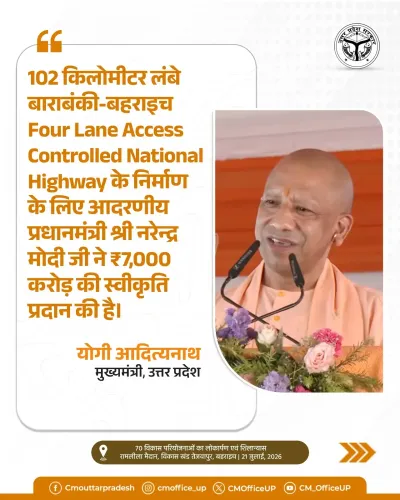
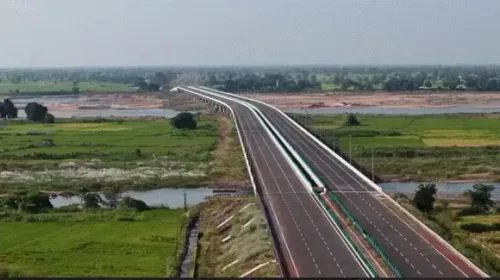
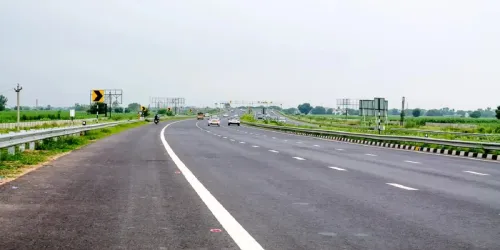
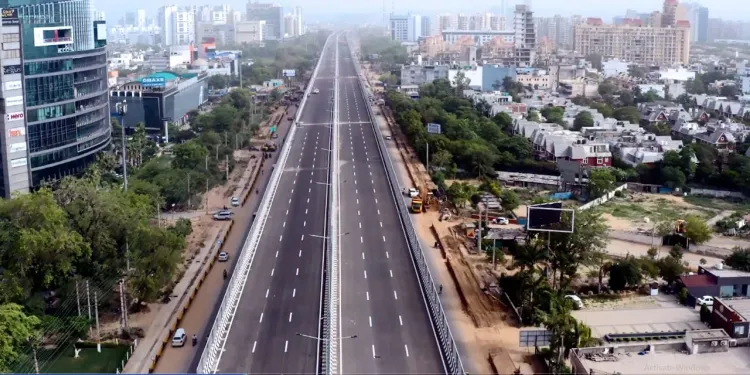
New Delhi, April 11 (NationPress) The Cabinet has granted its approval for the development of the 4-lane access-controlled Barabanki–Bahraich segment of National Highway-927, which is poised to significantly enhance trade relations between India and Nepal, according to an official announcement made on Saturday.
This initiative will improve access to the strategically significant Rupaidiha Land Port and the adjacent Nepalgunj, thereby expected to elevate cross-border trade, bolster regional employment, and promote economic collaboration between the two neighboring nations.
Among the various border crossings, the Rupaidiha–Nepalgunj route is particularly crucial.
This crossing is responsible for handling the bulk of exports from India to Nepal. The Ministry of Road Transport and Highways has indicated that the newly constructed NH-927 will offer quicker and more dependable connectivity, which is anticipated to lead to a substantial increase in trade volume through this passage in the forthcoming years.
A key aspect of the trade between India and Nepal via this corridor is the transit of agricultural and food products.
The highway initiative is projected to slash transportation time by approximately 50%, reducing the travel period between Barabanki and Bahraich from roughly 150 minutes to just 75 minutes, while doubling vehicle speeds from 40 km/h to 80 km/h.
“Quicker transit will minimize the spoilage of perishable items such as vegetables and dairy, providing direct advantages to farmers and traders on both sides. Enhanced connectivity will also enable farmers in eastern Uttar Pradesh to tap into larger markets in Nepal, potentially boosting their income and decreasing post-harvest losses,” the ministry emphasized.
In addition to agricultural goods, this corridor will facilitate the transport of essential products including medications and consumer goods—vital for both Nepal’s economy and daily existence.
The upgraded roadway will support the establishment of logistics facilities at Rupaidiha, where daily truck traffic is expected to rise significantly, signaling robust growth prospects for cross-border trade.
This surge in traffic will open up opportunities for warehousing, transportation services, and logistics enterprises along the corridor.
Point of View
The approval of the Barabanki-Bahraich highway represents a significant step towards strengthening economic ties with Nepal. This infrastructure project is not just about connectivity; it has the potential to uplift livelihoods and enhance trade efficiency, reflecting a nation-first approach to regional collaboration.
NationPress
23 Oct 2026
Frequently Asked Questions
What is the purpose of the Barabanki-Bahraich highway?
The highway aims to enhance trade relations between India and Nepal by improving connectivity to the Rupaidiha Land Port, facilitating faster and more efficient cross-border commerce.
How much will travel time be reduced by the new highway?
The new highway is expected to reduce travel time between Barabanki and Bahraich from approximately 150 minutes to just 75 minutes.
What types of goods will benefit from the new highway?
The highway will significantly aid the transport of agricultural products, perishables, medicines, and consumer goods between India and Nepal.
How will the highway impact farmers on both sides of the border?
Farmers will benefit from reduced spoilage of perishable goods, access to larger markets, and potentially increased incomes due to improved trade efficiency.
What are the expected economic benefits of the highway?
The economic benefits include increased trade volumes, job creation in logistics and transportation, and improved regional livelihoods.