CM Sukhu joins Global Dance Show at Kullu Dussehra
Synopsis
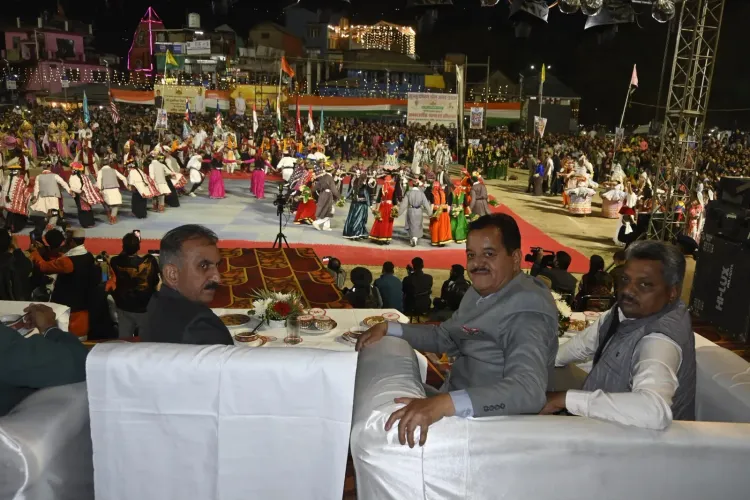
Himachal Pradesh CM Sukhvinder Singh Sukhu attended the Global Dance Show at Dhalpur Rath Maidan during Kullu Dussehra 2026, hailing cultural diversity and calling Himachal's heritage a shared civic responsibility worth preserving.
Key Takeaways
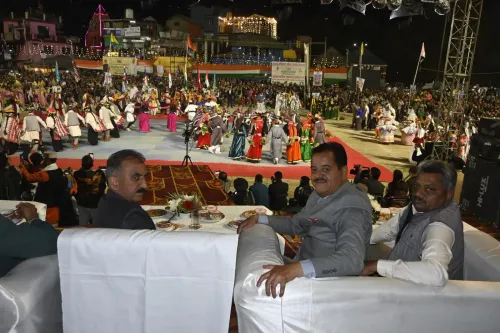
CM Sukhvinder Singh Sukhu participated in the Global Dance Show at Dhalpur Rath Maidan during Kullu Dussehra on 26 October 2026 .
Performers from multiple countries presented dances, adding an international dimension to the traditional festival.
Kullu Dussehra is a week-long festival distinct from the rest of India's Dussehra observances, centred on deity processions in the Kullu Valley .
CM Sukhu stated that Himachal's cultural heritage is the state's identity and its preservation is a shared responsibility of all citizens.
The event reflects Himachal Pradesh's broader strategy of linking cultural heritage with tourism promotion.
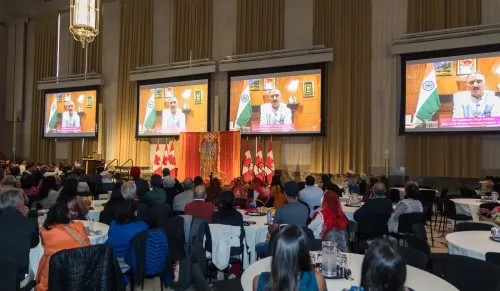
At the heart of one of India's most ancient festival grounds, Himachal Pradesh Chief Minister Sukhvinder Singh Sukhu stepped into Dhalpur Rath Maidan on Monday, 26 October 2026, to witness a Global Dance Show that brought together performers from multiple countries — turning the famed Kullu Dussehra festival into a vivid crossroads of world cultures.
Writing in Hindi after the event, CM Sukhu reflected: 'कला की यही विशेषता है कि वह सीमाओं से परे जाकर भावनाओं को जोड़ती है' — 'Art has this unique quality: it crosses all borders to connect emotions.' He described how the diversity of dance presentations from different nations gave the gathering a singular character, and closed with a firm declaration that Himachal's cultural heritage is the state's identity, and its protection is 'our shared responsibility.'
Why Kullu Dussehra commands a stage of its own
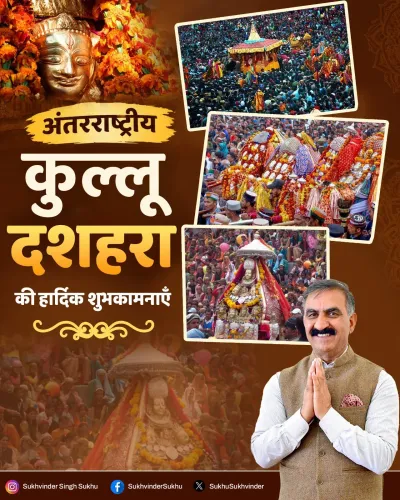
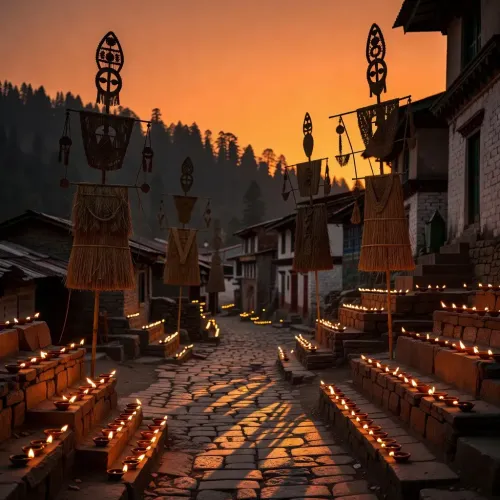
Kullu Dussehra is not simply a local festival. Held annually in the Kullu Valley of the Western Himalayas, it is a week-long congregation of hundreds of local deities — carried on ornate raths (chariots) in grand processions to Dhalpur Rath Maidan — and is recognised as one of the most distinctive folk-religious events in the subcontinent. Where most of India marks Dussehra on the day of Vijayadashami with the burning of Ravana's effigy, Kullu's version begins exactly on that day and runs for seven days, following its own ancient calendar of deity gatherings and royal rituals.
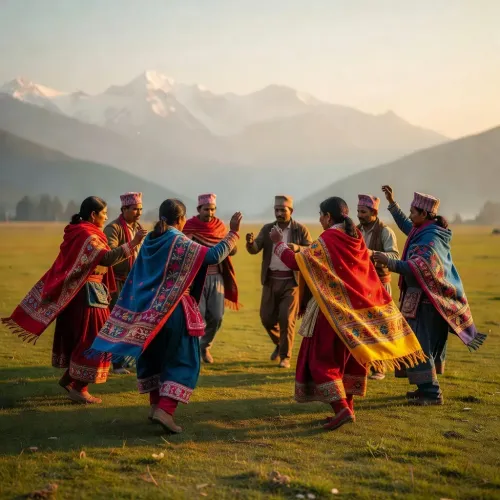
The festival's identity is inseparable from Himachal Pradesh's layered folk culture — the dev parampara (deity tradition) that governs community life across hundreds of mountain villages. Including an international cultural segment within this framework has become part of the festival's public programme, positioning Kullu as a destination where local heritage and global exchange coexist on the same ground.
Culture as statecraft — Himachal's heritage push
The Chief Minister's attendance and his public statement carry a recognisable policy signal: Himachal Pradesh has consistently linked cultural preservation with tourism promotion, and events like the Global Dance Show are one visible expression of that link. International performances at a heritage festival raise the event's profile beyond domestic audiences, drawing attention to a state where tourism is among the largest economic drivers.
Sukhu's call for collective ownership of Himachal's heritage — 'इसका संरक्षण और संवर्धन हम सभी का साझा दायित्व है' ('Its preservation and promotion is the shared responsibility of all of us') — frames cultural stewardship not as a government task alone but as a civic compact. In a state with hundreds of micro-traditions at risk of fading, the framing matters.
What the Dhalpur ground signals for next season
The broader question the event raises is one of sustainability. Festivals that absorb international programming require steady institutional support — budgets for cultural infrastructure, documentation of intangible heritage, and year-round engagement with the communities that carry these traditions. Kullu Dussehra's next edition and any accompanying state budget allocations for heritage work will indicate how far the government's stated commitment translates into structural investment.
For now, a mountain valley opened its most sacred festival ground to dancers from across the world — and the Chief Minister of Himachal Pradesh stood to watch. That image, more than any policy document, is the statement.
Point of View
Using a heritage festival as a platform to project Himachal Pradesh's identity both domestically and internationally. The framing of cultural preservation as a 'shared civic responsibility' subtly shifts the ownership narrative away from the state alone — useful for a government managing finite cultural budgets. For the Congress-led administration in Shimla, attending high-visibility traditional festivals also reinforces a soft-power contrast with rivals, signalling rootedness in local identity. The real test will be whether rhetorical commitment to heritage is backed by allocations in the next state budget for cultural infrastructure and documentation.
NationPress
26 Oct 2026
Frequently Asked Questions
What is Kullu Dussehra and why is it famous?
Kullu Dussehra is a week-long festival held in the Kullu Valley of Himachal Pradesh, famous for grand processions of hundreds of local deities on chariots (raths) to Dhalpur Rath Maidan. Unlike elsewhere in India, the celebrations begin on Vijayadashami and continue for seven days, making it one of the most distinctive folk-religious events in the country.
What is the Global Dance Show at Kullu Dussehra?
The Global Dance Show is an international cultural programme held as part of the Kullu Dussehra festival at Dhalpur Rath Maidan, featuring dance performances from multiple countries to celebrate cultural diversity alongside Himachal's own folk traditions.
What did CM Sukhvinder Singh Sukhu say at Kullu Dussehra 2026?
CM Sukhu said that art transcends all borders to connect emotions, praised the cultural diversity showcased by international dance performances, and declared that Himachal's cultural heritage is the state's identity whose preservation is the shared responsibility of all citizens.
Where is Dhalpur Rath Maidan?
Dhalpur Rath Maidan is the central festival ground in Kullu town, Himachal Pradesh, where the main events of Kullu Dussehra — including deity gatherings, processions, and cultural programmes — are held every year.
How does Himachal Pradesh use festivals for tourism promotion?
Himachal Pradesh routinely includes international cultural segments at traditional festivals like Kullu Dussehra to raise their profile globally, attracting tourists and linking heritage preservation with the state's tourism economy, which is among its largest economic contributors.