CM Sukhu Lifts Apple Procurement Cap, Halts SDM Notices
Synopsis
Chief Minister Sukhvinder Singh Sukhu on 11 August 2026 announced unlimited apple procurement under the Market Intervention Scheme, ordered immediate withdrawal of SDM-issued notices to growers, and directed horticulturists to register on the MIS portal during the peak harvest season.
Key Takeaways
CM Sukhvinder Singh Sukhu declared no upper limit on apple bag procurement — 100, 200, 300, 400 bags or more will all be accepted by the government.
SDM-issued notices linked to the previous apple season have been ordered stopped with immediate effect .
Growers must upload required documents on the MIS (Market Intervention Scheme) portal to register produce for procurement.
Himachal Pradesh has previously activated MIS for apples in 2019-20 and 2021-22 .
The announcement targets the apple belt districts of Shimla, Kullu and Kinnaur during the July–September peak marketing window.
The Congress government framed the move as a commitment to grower prosperity and an end to coercive enforcement.
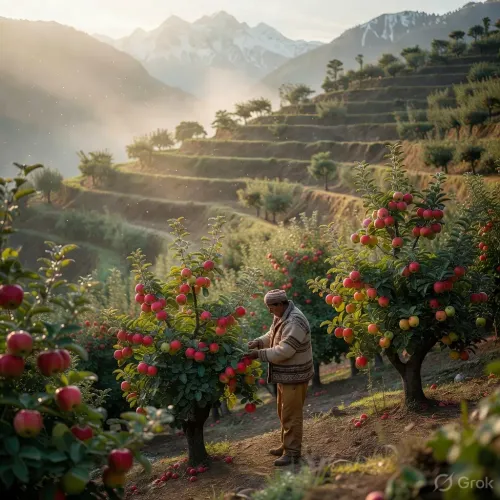
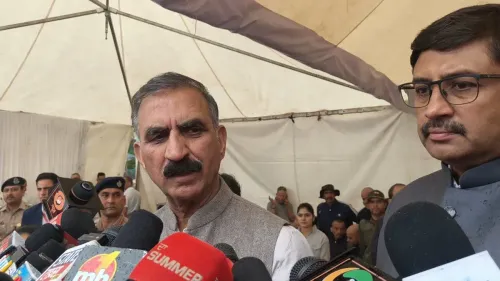
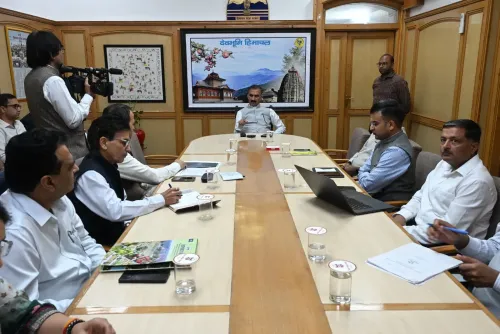
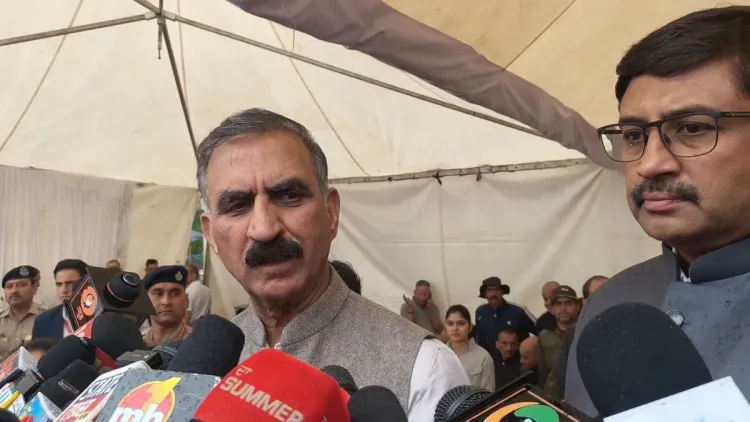
Himachal Pradesh Chief Minister Sukhvinder Singh Sukhu drew a firm line for the state's apple growers on Tuesday, 11 August 2026: no procurement ceiling, no coercive notices, no excuses. Every sack of apples a grower brings — 100, 200, 300, 400 — the government will buy.
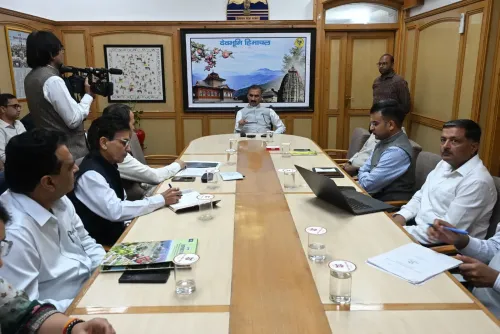
In a direct address to the state's horticulture community, Sukhu announced that notices issued through Sub-Divisional Magistrates (SDMs) in connection with the previous apple season have been ordered stopped 'with immediate effect.' He directed growers to upload their documents on the MIS (Market Intervention Scheme) portal to register their produce for procurement. 'No rule will be forcibly imposed on any grower,' he said. 'There is no justification for harassing horticulturists.'
What the MIS Portal Means for Growers in Shimla, Kullu and Kinnaur
The Market Intervention Scheme is a Central-government instrument that state governments activate when market prices for horticultural produce — apples, in Himachal's case — crash below a viable threshold. The state procures the surplus directly, shielding farmers from distress sales to traders at throwaway prices.
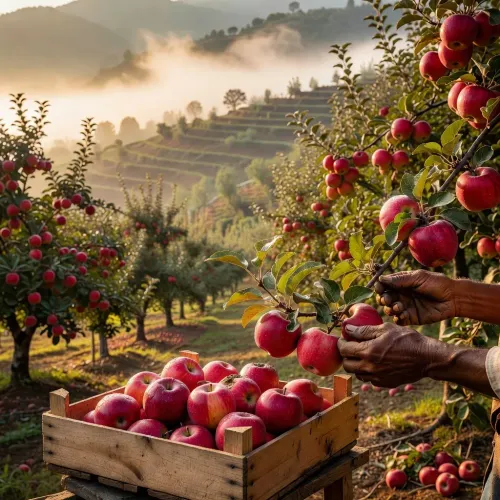
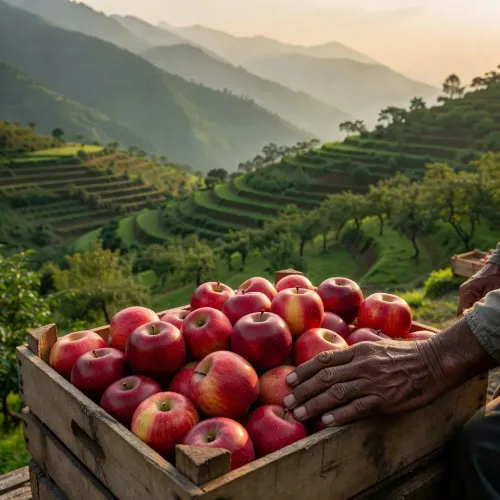
Himachal Pradesh has invoked MIS for apples in previous seasons, including documented procurements in 2019-20 and 2021-22. The apple belt districts of Shimla, Kullu and Kinnaur are the economic heartland of this intervention — together they account for the bulk of the state's apple output and the livelihoods tied to it. The peak marketing window runs July through September, making Sukhu's announcement squarely timed to the harvest crunch.
Stopping the SDM Notices: The Political Weight of a Single Directive
The order to halt SDM-issued recovery notices carries more than administrative significance. The Congress government, in office since December 2022, has consistently framed its farm-welfare moves as a corrective to what it describes as the previous administration's punitive approach toward growers. Withdrawing coercive notices mid-season — before growers have even sold this year's crop — reinforces that narrative with concrete action, not just rhetoric.
The Chief Minister's language was unambiguous: the Congress government is 'fully committed' (puri tarah pratibaddh) to the economic prosperity of horticulturists. That commitment, he made clear, extends to removing every procedural obstacle between a grower and a guaranteed buyer.
What Growers Must Do Now
Growers seeking to sell under the scheme must upload their required documents on the MIS portal. The government has not specified a deadline, but the urgency is implicit — the harvest season is already under way. The actual volume of apples lifted through the portal in the 2026 season will be the real measure of whether this pledge translates into rupees in growers' hands.
One guarantee is now on record: there is no upper limit on how many bags the state will accept. The next test is whether the procurement machinery can honour that promise at scale.
Point of View
The Chief Minister is asserting executive authority over the revenue machinery in a way that is visible and immediate to affected families. The move also deepens the Congress administration's ongoing effort to draw a sharp contrast with its predecessor, framing every farmer-friendly action as a reversal of past harm — a narrative that will be tested by actual procurement volumes when the season closes.
NationPress
11 Aug 2026
Frequently Asked Questions
What is the Market Intervention Scheme for apples in Himachal Pradesh?
The Market Intervention Scheme (MIS) is a Central-government instrument activated by state governments to procure horticultural produce — including apples — when open-market prices fall below a viable level, protecting growers from distress sales. Himachal Pradesh has used it in seasons such as 2019-20 and 2021-22.
What did CM Sukhu announce for apple growers on 11 August 2026?
Chief Minister Sukhvinder Singh Sukhu announced that the state will procure apples without any upper limit on quantity under the MIS, ordered immediate withdrawal of SDM-issued notices related to the previous apple season, and asked growers to upload documents on the MIS portal.
What are the SDM notices that Sukhu ordered stopped?
Sub-Divisional Magistrates had issued notices to certain apple growers in connection with the previous season's crop. CM Sukhu directed that these notices be halted with immediate effect, stating that no rule would be forcibly imposed on any grower.
How can apple growers register for procurement under MIS in Himachal Pradesh?
Growers need to upload their required documents on the MIS portal as directed by CM Sukhu. The announcement does not specify a deadline, but the peak apple marketing season runs from July to September.
Which districts in Himachal Pradesh benefit most from apple MIS procurement?
The primary beneficiaries are growers in the apple belt districts of Shimla, Kullu, and Kinnaur, which together account for the bulk of the state's apple production and the rural livelihoods dependent on it.