Is the Reduction of Apple Import Duty Threatening Himachal Orchardists?
Synopsis
Amid concerns over the reduced import duty on New Zealand apples, Himachal Pradesh CM Sukhvinder Singh Sukhu promises to advocate for local orchardists. He emphasizes the importance of apple farming to the state's economy and outlines steps for supporting natural farming practices to enhance rural livelihoods.
Key Takeaways
Apple import duty reduction poses risks for local orchardists.
CM Sukhu pledges to advocate for farmer interests.
Importance of natural farming in boosting rural economy.
Plans for a block-level database of farmers.
Direct financial support for farmers through DBT.
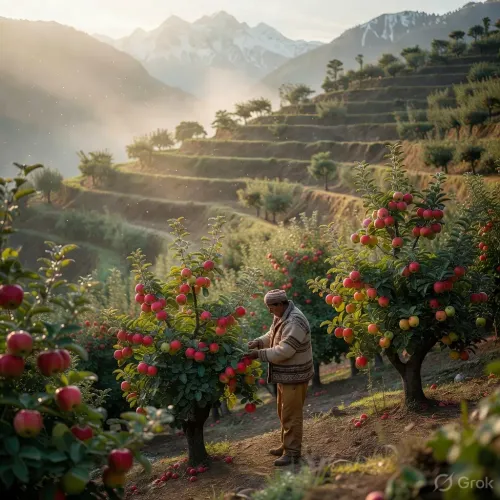
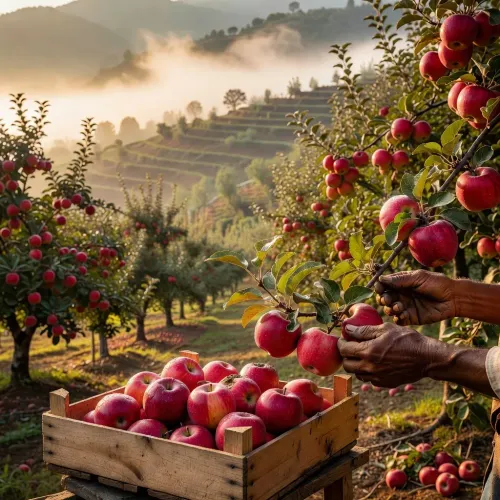
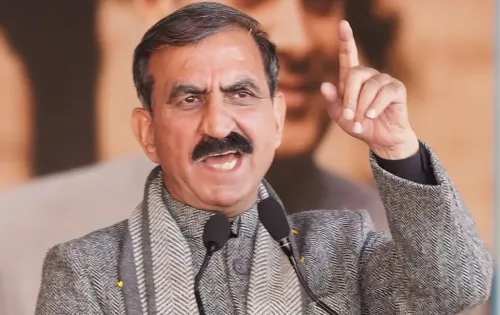
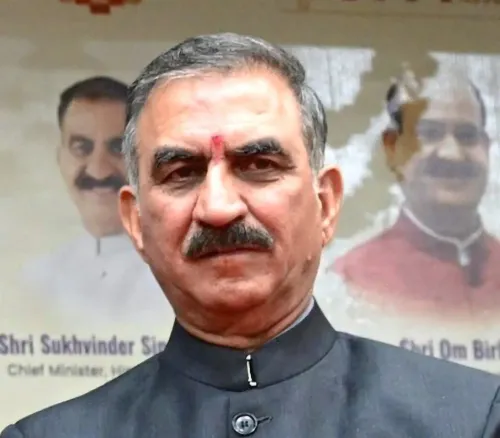
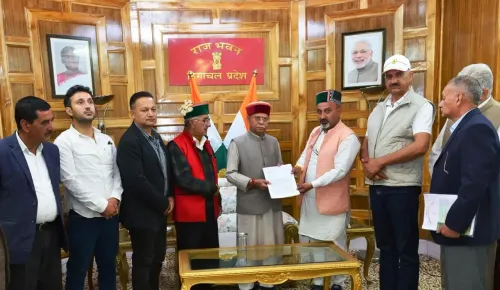
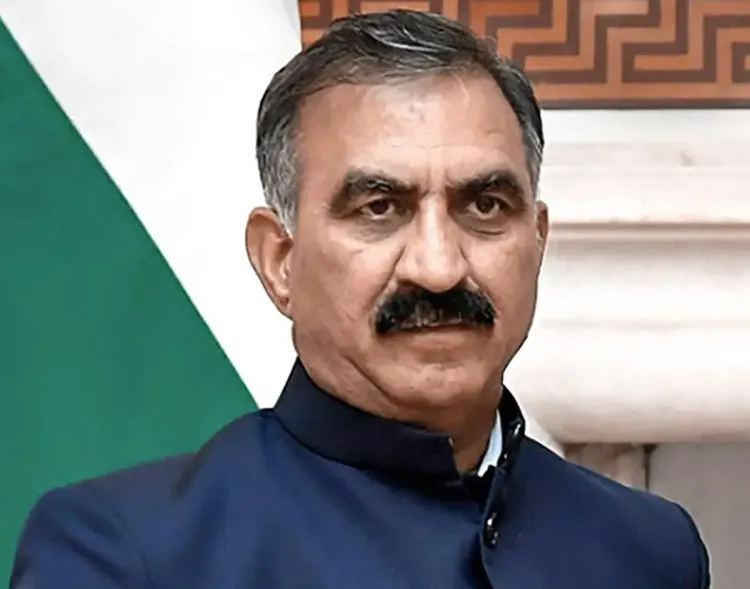
Shimla, Jan 13 (NationPress) Himachal Pradesh's Chief Minister Sukhvinder Singh Sukhu conveyed his apprehension during a recent meeting with orchardist representatives regarding the decrease in import duty on apples from New Zealand. This change is posing challenges for local orchardists.
On Tuesday, he pledged to address the matter with the Central government to seek solutions that would alleviate these concerns.
"I will engage with the Union Finance and Commerce Ministers, advocating for necessary actions to safeguard the interests of our state's orchardists," he remarked, emphasizing that apple cultivation is a crucial component of the state's economy and that its protection is a primary concern for the government.
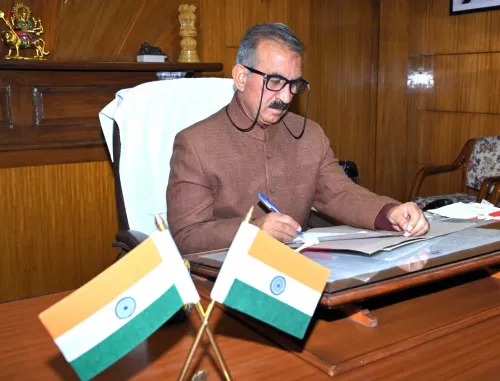
In addition, CM Sukhu instructed the Agriculture Department to integrate comprehensive data of farmers engaged in natural farming with the Him Parivar portal by January 20. This initiative aims to create a block-level database of farmers for better mapping.
During the Agriculture Department meeting, he mentioned that the youth would be motivated to adopt natural farming practices, which would bolster the rural economy.
He stated that promoting this farming approach across the state would enhance and fortify farmers' livelihoods.
The government is committed to implementing transformative changes in the natural farming system, with plans for farmer interactions in Hamirpur this month.
CM Sukhu also reviewed farmers' concerns regarding wheat, maize, and raw turmeric produced via natural farming.
He noted that wheat flour from natural farming is marketed as 'Him Chakki Atta', maize flour as 'Him Bhog Makki Atta', and raw turmeric as 'Him Haldi'.
As of now, 606.8 metric tonnes of naturally grown maize have been procured, with Rs 2.31 crore directly transferred to farmers' bank accounts.
Similarly, 2,123 quintals of naturally grown wheat have been procured at minimum support price, with 1.32 lakh transferred to farmers through direct benefit transfer (DBT).
Point of View
The concerns raised by CM Sukhu reflect the broader challenges facing local agriculture in India. The reduction of import duties can significantly impact domestic farmers, and addressing these issues is crucial for ensuring the sustainability of the agricultural sector.
NationPress
23 Sept 2026
Frequently Asked Questions
What is the main concern regarding the apple import duty?
The reduction of import duty on apples from New Zealand is threatening the interests of local orchardists in Himachal Pradesh.
What actions is the Himachal CM taking?
CM Sukhvinder Singh Sukhu plans to raise the issue with the Central government to find solutions that protect local orchardists.
How significant is apple production in Himachal Pradesh?
Apple production is a major pillar of Himachal Pradesh's economy, making its protection a priority for the government.
What initiatives are being taken to support natural farming?
The CM has directed the Agriculture Department to link farmers' data with the Him Parivar portal and promote natural farming among the youth.
What are the benefits of natural farming highlighted by the CM?
Natural farming is expected to strengthen the rural economy and enhance the livelihoods of farmers.