CM Sukhu: Liquor Auction Switch Earned HP ₹400 Cr Extra
Synopsis
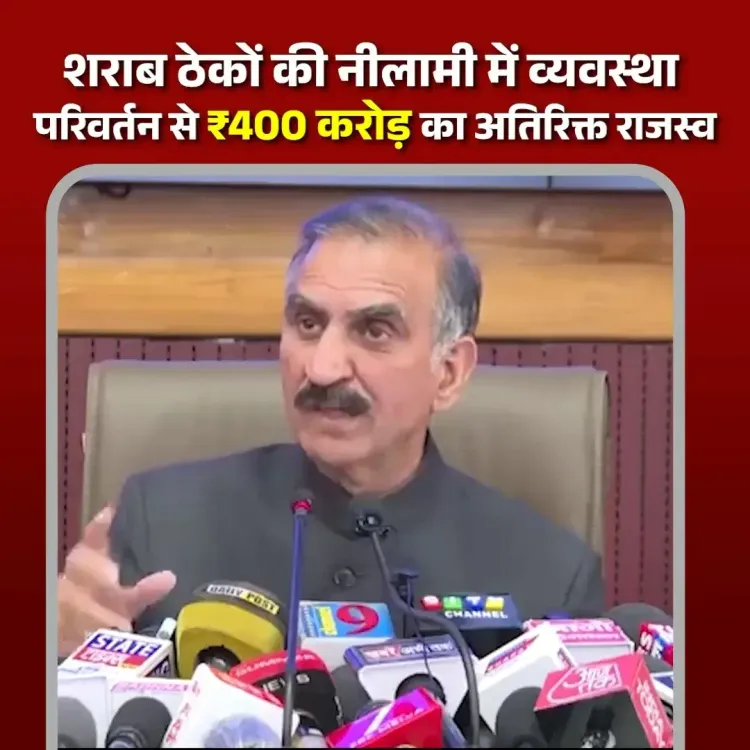
HP CM Sukhvinder Singh Sukhu claims switching liquor vend licences from annual renewal to competitive auction — reversing BJP-era practice — has generated ₹400 crore in additional state revenue across 2023-24 and 2024-25.
Key Takeaways
Under the previous BJP government , Himachal Pradesh renewed liquor vends annually, yielding only about 10% revenue growth each year.
The Congress government led by CM Sukhu , which took office in December 2022 , replaced renewals with open competitive auctions.
Sukhu claims auctions in 2023-24 and 2024-25 generated an additional ₹400 crore for the state exchequer.
Auction models force competitive bidding, allowing states to capture market-rate licence values rather than incremental renewal fees.
The structural shift mirrors excise reforms seen in other Indian states, though long-term revenue sustainability remains the key metric to watch.
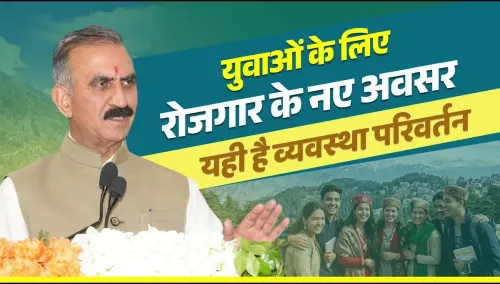
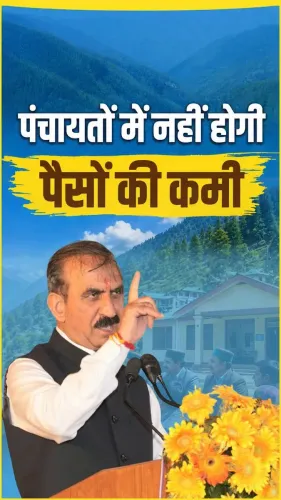
A policy switch from renewal to auction — that single change, Himachal Pradesh Chief Minister Sukhvinder Singh Sukhu claims, has brought an extra ₹400 crore into the state exchequer over two financial years. In a post on X on October 23, 2026, Sukhu drew a sharp contrast with the previous BJP government's excise model, framing the reform as one of his administration's early and consequential fiscal decisions.
Sukhu wrote: 'In the previous BJP government, there was a system of renewing liquor vends, which resulted in only 10% revenue growth. As soon as we came to power, we changed this system. In 2023-24 and 2024-25, instead of renewing liquor vends, we conducted auctions, earning the government treasury an additional ₹400 crore in revenue.'
Renewal vs Auction: The Excise Choice That Changed the Numbers
The mechanics matter here. Under the earlier BJP-era regime in Himachal Pradesh, liquor shop licences were renewed annually — a process that guaranteed incumbents a predictable seat at the table and capped revenue growth at roughly 10% per year. Renewal systems, by design, insulate existing licence holders from competitive pressure, meaning the state collects only marginally more each cycle regardless of how much the trade has grown.
Auction-based licensing flips that logic entirely. Bidders compete openly, driving up licence fees to reflect actual market value. State governments across India have periodically toggled between these two models precisely because auctions can unlock significantly higher one-time realisations. Sukhu's Congress government, which came to office in December 2022 after defeating the BJP in the state assembly elections, moved quickly to implement the change.
What ₹400 Crore Means for a Hill State's Budget
Himachal Pradesh is a relatively small economy heavily reliant on central transfers and a narrow base of own-tax and non-tax revenues. Excise collections — primarily from liquor — form a meaningful slice of the state's discretionary income. An additional ₹400 crore spread across 2023-24 and 2024-25, if the figure holds on audit, represents a non-trivial boost to a government that has otherwise faced fiscal stress.
The broader pattern is familiar across Indian states: Rajasthan, Telangana, and Uttar Pradesh have each experimented with excise auction models at different points, with mixed results and, in some cases, legal challenges from displaced contractors. In Himachal Pradesh, the next test will be whether successive auction rounds sustain comparable realisations — or whether the initial premium reflected a one-off competitive surge.
The Political Subtext of an Excise Claim
Sukhu's framing is deliberately comparative — every sentence is anchored to what the BJP did versus what Congress changed. That is classic incumbent messaging ahead of any political cycle: stake a claim on governance delivery with a concrete number. The ₹400 crore figure is specific enough to be credible but, as with most state excise data, its full verification awaits audited budget documents.
What is not in dispute is the structural shift: an open-auction model does, in principle, generate higher competitive bids than a renewal regime. The question the opposition will eventually press is whether those gains translate into durable annual revenue or simply front-load collections at the cost of future stability.
For now, Sukhu has planted a number in the public record. The auditors — and the voters — will measure him against it.
Point of View
Designed to draw a stark contrast with the BJP's stewardship of state finances. The shift from renewal to auction in excise licensing is a legitimate and well-established revenue lever in Indian fiscal practice, lending the claim structural credibility even before audited numbers arrive. Coming at a time when Himachal Pradesh faces significant fiscal pressure, the ₹400 crore figure serves a dual purpose: it rebuts opposition narratives of Congress mismanagement and positions excise reform as low-hanging fruit the previous government chose not to pick. The durability of auction-based realisations across future cycles will ultimately determine whether this becomes a signature reform or a one-cycle windfall.
NationPress
23 Oct 2026
Frequently Asked Questions
What change did CM Sukhu make to Himachal Pradesh's liquor policy?
CM Sukhu replaced the annual renewal system for liquor vend licences — inherited from the BJP government — with a competitive open-auction model starting from 2023-24, allowing the state to realise higher market-rate fees.
How much extra revenue did HP earn from liquor auctions under Sukhu?
Sukhu claims the auction model generated an additional ₹400 crore for the state treasury across the two financial years 2023-24 and 2024-25, compared to what the renewal system would have yielded.
What was wrong with the BJP's liquor renewal system in Himachal Pradesh?
Under the BJP-era renewal model, existing licence holders were simply renewed each year, resulting in only about 10% annual growth in excise revenue — far below what competitive bidding can generate.
Is the auction model for liquor licences common in India?
Yes. Several Indian states have used or experimented with auction-based excise licensing as a way to maximise non-tax revenue, though results vary and incumbent contractors sometimes challenge the process legally.
When did Sukhvinder Singh Sukhu become Chief Minister of Himachal Pradesh?
Sukhvinder Singh Sukhu took office as Chief Minister of Himachal Pradesh in December 2022 , after the Indian National Congress defeated the BJP in the state assembly elections.