CM Sukhu moves to acquire idle BBMB, NTPC, NHPC land in Himachal
Synopsis
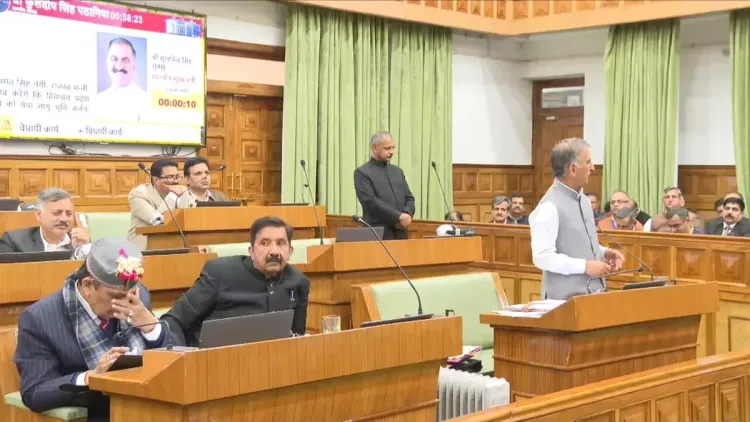
Himachal Pradesh CM Sukhvinder Singh Sukhu has announced a bill to acquire idle land held by central PSUs — BBMB, NTPC and NHPC — through state legislation, crediting Revenue Minister Jagat Singh Negi for detailed groundwork on the proposal.
Key Takeaways
CM Sukhvinder Singh Sukhu announced on 20 November 2026 that the Himachal Pradesh government will bring a bill to acquire vacant land held by central PSUs.
The three bodies targeted are BBMB (Bhakra Beas Management Board), NTPC Limited , and NHPC — all operating major hydro projects in the state.
The decision follows detailed consultations between CM Sukhu and Revenue Minister Jagat Singh Negi , who conducted in-depth research on the subject.
The bill continues Himachal Pradesh's long-standing effort to reclaim unused project land for local development, given the state's limited flatland resources.
The proposal is expected to face scrutiny from the Union government and the central PSUs over federal jurisdiction of land vested in statutory bodies.
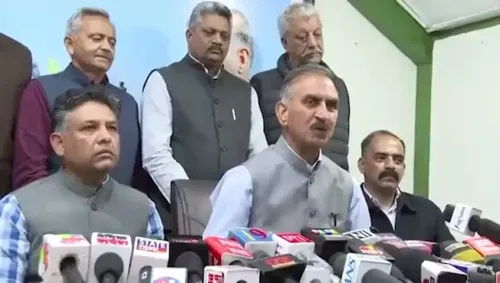
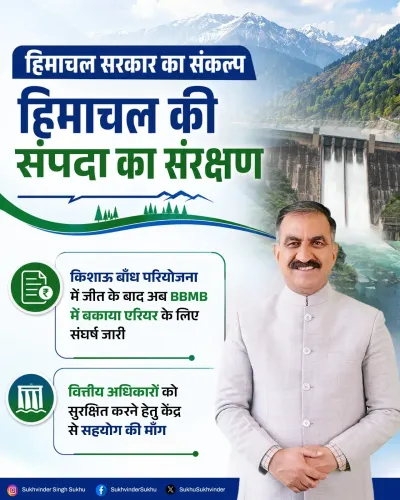
Himachal Pradesh Chief Minister Sukhvinder Singh Sukhu has announced a fresh legislative push to reclaim unused land held by central public-sector power giants — framing it as a fight to protect the state's scarce natural assets. The move, disclosed on 20 November 2026, follows detailed consultations with Revenue Minister Jagat Singh Negi and targets idle parcels controlled by BBMB, NTPC, and NHPC across the state.
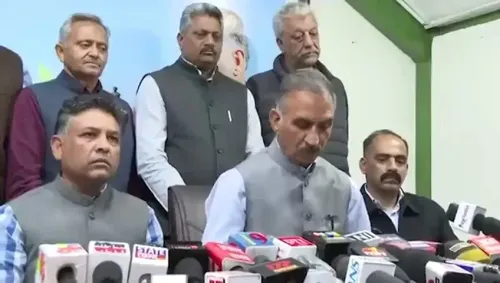
Posting in Hindi, CM Sukhu declared: 'हम हिमाचल की एक और संपदा को बचाने वाला बिल लेकर आए हैं' — 'We have brought a bill that will protect yet another asset of Himachal.' He added that after in-depth discussions with Negi, the government had decided to acquire, through legislation, land lying vacant under the jurisdiction of BBMB (Bhakra Beas Management Board), NTPC Limited, and NHPC. He specifically credited Negi for 'deep study' of the subject.Why BBMB, NTPC and NHPC land matters to Shimla
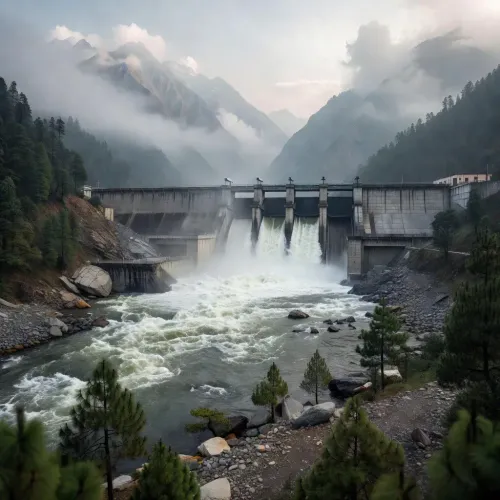
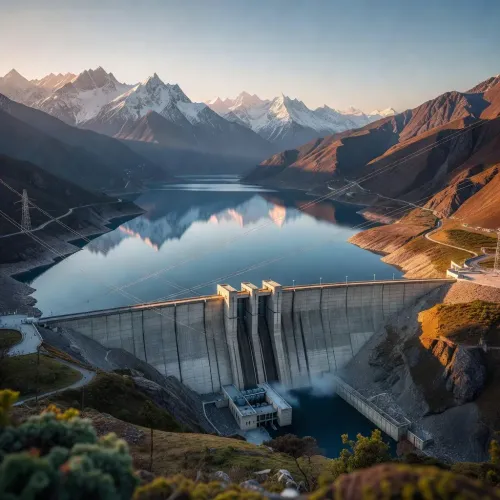
Himachal Pradesh is home to some of India's most consequential hydropower infrastructure. BBMB, the statutory body overseeing the Bhakra and Beas valley projects, along with central PSUs NTPC and NHPC, collectively hold extensive land tracts acquired decades ago for project construction. Once the civil works are complete, significant portions of that land often sit idle — fenced off, unused, and legally beyond the state's reach under current arrangements.
For a mountain state where flat, developable land is a finite and precious commodity, that locked-up acreage represents real opportunity cost. The Sukhu government's argument is straightforward: if the central PSUs are not using the land, Himachal should be able to put it to work for its own people.
Jagat Singh Negi's role in shaping the bill
Revenue Minister Jagat Singh Negi, a veteran Congress leader from the tribal Kinnaur district — itself deeply intertwined with hydropower project history — has been the architect of the legislative groundwork. CM Sukhu's public acknowledgement of Negi's 'intense study' signals that this is not a reactive political announcement but a prepared legal strategy. Revenue departments in hill states carry the institutional memory of every land acquisition and every disputed parcel; Negi's involvement suggests the bill will arrive in the assembly with detailed survey and revenue records to back it.
A pattern older than the Sukhu government
Himachal's friction with central PSUs over project land and royalties is generational. Successive state governments — across party lines — have argued that the terms under which the Centre acquired land for these hydro schemes systematically undervalued the state's contribution. Similar disputes have played out in Uttarakhand, Sikkim, and Arunachal Pradesh, wherever large hydro installations sit on state land administered by central agencies.
What is new here is the legislative instrument: rather than negotiating with the PSUs or filing claims through revenue tribunals, the Sukhu government proposes a state law that would authorise direct acquisition. That approach will almost certainly draw scrutiny from the Union government and the PSUs themselves, since land vested in central statutory bodies occupies a contested federal space.
The next critical moment is the bill's tabling in the Himachal Pradesh Legislative Assembly — and whatever legal or administrative countermove follows from New Delhi.
Point of View
' CM Sukhu is deploying the language of resource nationalism that resonates strongly in Himalayan states that host major hydro infrastructure but feel they receive a disproportionately small share of the benefits. The involvement of Revenue Minister Negi, a Kinnaur veteran with deep institutional knowledge of project-era land records, suggests the bill is more than political signalling — it may carry genuine legal teeth. The real test will be whether the state can sustain the bill against likely constitutional challenges over the federal status of land held by central statutory bodies, a battle that could define centre-state resource relations across all hydro-rich hill states.
NationPress
20 Nov 2026
Frequently Asked Questions
What is the Himachal Pradesh bill to acquire BBMB, NTPC and NHPC land?
The bill, announced by CM Sukhvinder Singh Sukhu on 20 November 2026, proposes to allow the Himachal Pradesh state government to legally acquire idle or vacant land parcels currently held by central power entities BBMB, NTPC and NHPC within the state.
Why does Himachal Pradesh want to acquire central PSU land?
Himachal Pradesh has limited flat, developable land. Large tracts acquired by central hydro project bodies for construction often lie unused after project completion, and the state government argues this land should be returned for local development.
What is BBMB and what land does it hold in Himachal Pradesh?
BBMB, the Bhakra Beas Management Board, is a statutory body overseeing the Bhakra and Beas river valley dam projects. It holds land across Punjab, Haryana and Himachal Pradesh, some of which has been unused since original construction was completed.
What role did Jagat Singh Negi play in this bill?
Revenue Minister Jagat Singh Negi is credited by CM Sukhu with conducting 'deep study' on the issue, making him the principal architect of the legislative groundwork underpinning the acquisition proposal.
Will the Union government or central PSUs challenge this Himachal land bill?
Legal and administrative challenges are widely anticipated, since land vested in central statutory bodies occupies a contested federal space. The bill's passage and any subsequent Union government or PSU response will be closely watched.