CM Sukhu pays tribute to Maharaja Ranjit Singh on death anniversary
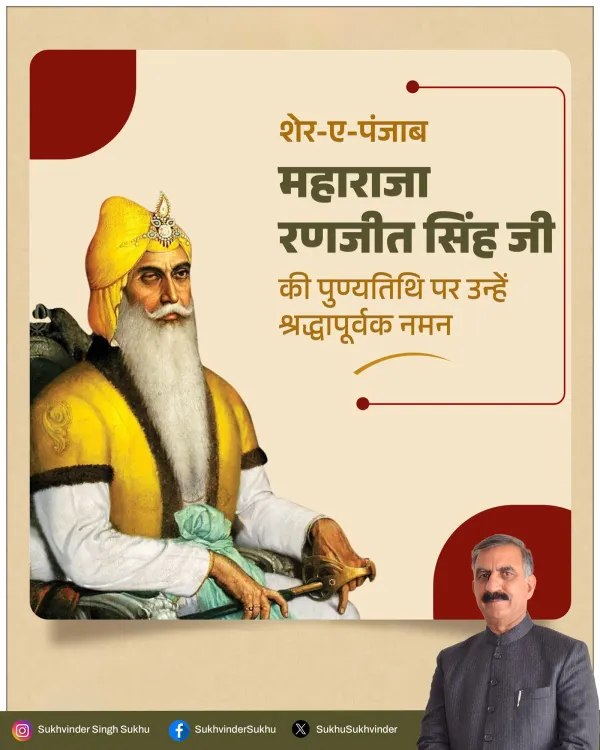
Synopsis
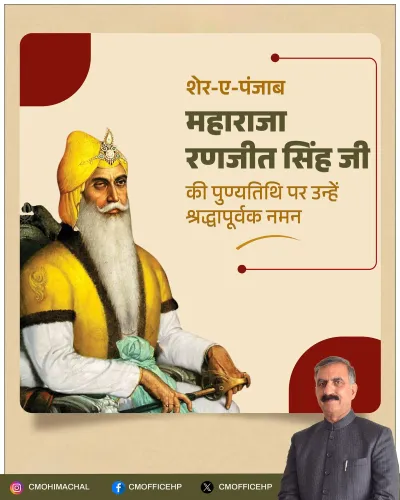
Himachal Pradesh Chief Minister Sukhvinder Singh Sukhu on 27 June 2026 paid homage to Maharaja Ranjit Singh on his death anniversary, calling the Sikh Empire founder's reign an unparalleled example of religious equality and justice that continues to inspire.
Key Takeaways
CM Sukhvinder Singh Sukhu posted a tribute on 27 June 2026 , the death anniversary of Maharaja Ranjit Singh .
He referred to the Maharaja by his title Sher-e-Punjab and praised his reign as a model of Sarva Dharma Sambhav — equal respect for all religions.
Maharaja Ranjit Singh ruled the Sikh Empire from 1801 to 1839 , unifying Sikh misls and governing with notable religious pluralism.
The tribute reflects a consistent pattern among Indian political leaders of invoking pre-colonial regional rulers to reinforce constitutional values of secularism.
The anniversary holds particular significance for communities in Punjab, Himachal Pradesh , and the Sikh diaspora.
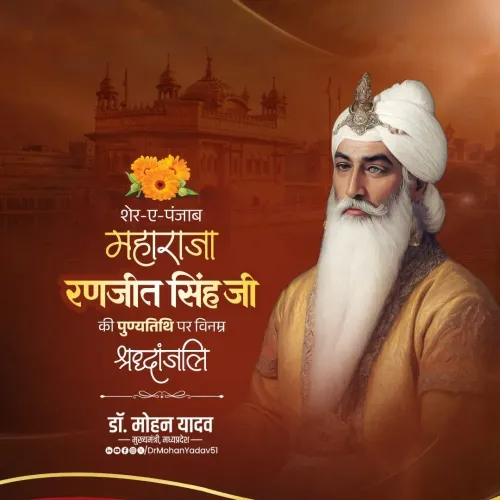
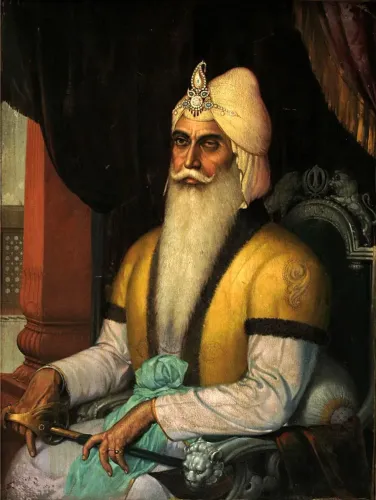
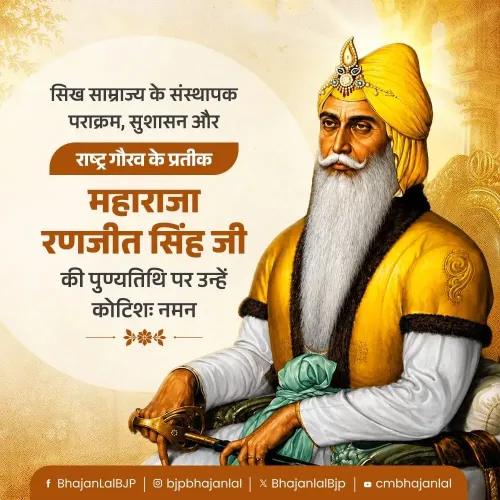
Himachal Pradesh Chief Minister Sukhvinder Singh Sukhu on Saturday, 27 June 2026, paid homage to Maharaja Ranjit Singh, the founder of the Sikh Empire, on his death anniversary, hailing the 19th-century ruler as an enduring symbol of interfaith harmony and justice.
Context
Posting in Hindi on X, CM Sukhu referred to Maharaja Ranjit Singh by his celebrated title Sher-e-Punjab (Lion of Punjab) and offered what he called bhavpurn shraddhasuman — heartfelt floral tributes. He wrote that the Maharaja's reign was 'an unparalleled example of Sarva Dharma Sambhav (equal respect for all religions) and justice', and that 'his life and ideals remain a source of inspiration for all even today.'
27 June marks the death anniversary of Maharaja Ranjit Singh, who passed away on that date in 1839. The occasion is observed annually across Punjab and neighbouring states with tributes from political leaders, community organisations, and cultural institutions.
Policy Backdrop
Maharaja Ranjit Singh ruled the Sikh Empire from 1801 to 1839, consolidating the Sikh misls into a unified state that stretched across present-day Punjab, Himachal Pradesh, Jammu and Kashmir, and parts of modern Pakistan. His administration was widely noted for its pluralistic character — he appointed ministers and commanders from Hindu, Muslim, and Sikh backgrounds alike, and avoided imposing a state religion.
The principle of Sarva Dharma Sambhav — equal reverence for all faiths — has been repeatedly invoked by Indian political leaders across the spectrum when commemorating Maharaja Ranjit Singh, linking his pre-colonial governance model to the constitutional values of secularism and pluralism enshrined in independent India.
Stakeholders and Impact
The tribute carries resonance for the Sikh community across Punjab, Himachal Pradesh, and the broader diaspora, for whom Maharaja Ranjit Singh remains a defining historical figure. For CM Sukhu and the Indian National Congress, such commemorations reinforce the party's long-standing positioning on secularism and its outreach to communities in the hill and plains states of northern India.
Himachal Pradesh shares deep historical and cultural ties with the former Sikh Empire's territories, making the anniversary politically and culturally significant for the state's leadership.
What's Next
State-level commemorative events in Punjab and neighbouring states typically accompany the 27 June anniversary, including gurdwara programmes and civic functions. Political observers will watch whether such tributes translate into any formal cultural policy announcements or legislative references in the coming sessions of the Himachal Pradesh Vidhan Sabha. The broader pattern of invoking Maharaja Ranjit Singh's legacy as a model of pluralism is likely to continue as India's political discourse around secularism and regional identity evolves.
Point of View
Positioning the Congress's secularism narrative within a historical frame that transcends party lines. Such commemorations have grown in strategic importance as political parties compete to claim custodianship of pluralist history. The tribute is unlikely to produce immediate policy outcomes, but it reinforces the Congress's outreach to Sikh and hill-state constituencies ahead of any future electoral cycle.
NationPress
27 Jun 2026
Frequently Asked Questions
When did Maharaja Ranjit Singh die?
Maharaja Ranjit Singh died on 27 June 1839 . His death anniversary is observed annually with tributes from political leaders and community organisations across India.
Why is Maharaja Ranjit Singh called Sher-e-Punjab?
Maharaja Ranjit Singh is called Sher-e-Punjab , meaning 'Lion of Punjab', for his military prowess and his role in unifying the Sikh misls into a powerful empire that controlled much of northwestern India in the early 19th century.
What is Sarva Dharma Sambhav?
Sarva Dharma Sambhav is a Sanskrit phrase meaning 'equal respect for all religions.' It is frequently cited in reference to Maharaja Ranjit Singh's pluralistic governance, under which Hindus, Muslims, and Sikhs held key positions in his administration.
Who is Sukhvinder Singh Sukhu?
Sukhvinder Singh Sukhu is the Chief Minister of Himachal Pradesh , serving since December 2022 . He is a leader of the Indian National Congress .
Why do Indian politicians pay tribute to Maharaja Ranjit Singh?
Indian political leaders across parties mark 27 June to highlight Maharaja Ranjit Singh's legacy of interfaith harmony and justice, connecting his pre-colonial governance model to India's constitutional values of secularism and pluralism.