CM Sukhu Pitches Himachal as Green Hydrogen Leader
Synopsis
Chief Minister Sukhvinder Singh Sukhu on 19 July 2026 declared Himachal Pradesh will be India's green hydrogen leader, linking AI and IT investment to the state's renewable energy potential, and confirmed a geothermal project in Kinnaur district alongside green ammonia and biochar initiatives.
Key Takeaways
CM Sukhu declared Himachal Pradesh will become India's leading state in green hydrogen and green ammonia .
He called for greater investment in AI , arguing that IT investors will find 'immense renewable energy possibilities' in the state.
A geothermal energy project has been established in Kinnaur district , one of the state's remote high-altitude regions.
Biochar projects are also being set up as part of the state's diversified clean energy push.
The pitch aligns with the central government's National Green Hydrogen Mission (2023) , which targets 5 million tonnes of annual green hydrogen capacity by 2030 .
The state has been updating its renewable energy policy since 2016 to move beyond hydropower into emerging clean energy sources.
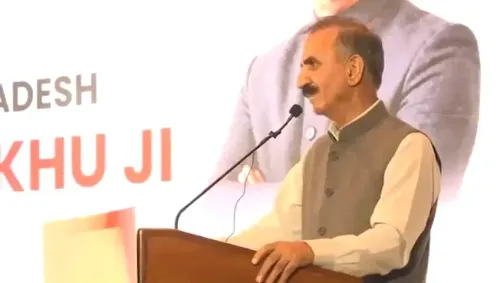
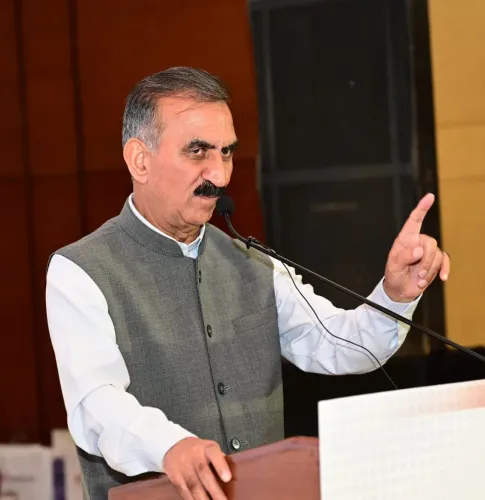
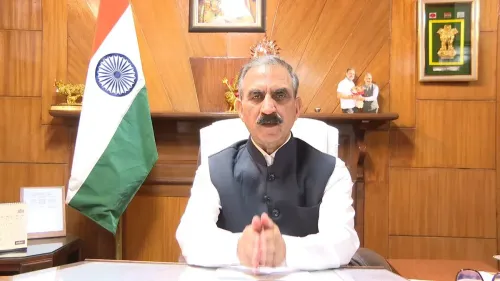
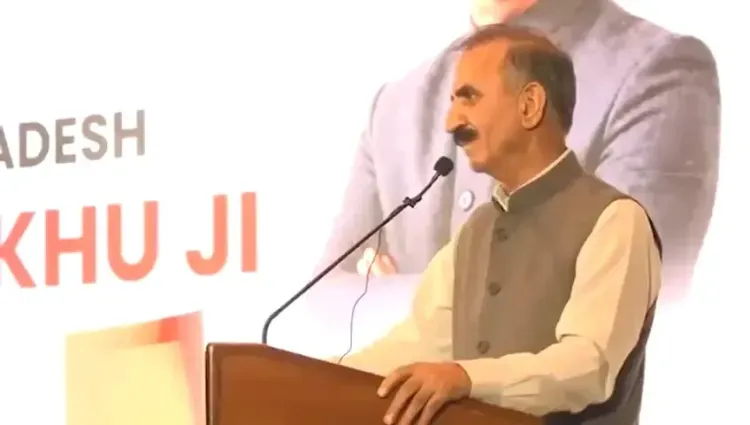
Himachal Pradesh Chief Minister Sukhvinder Singh Sukhu on Sunday, 19 July 2026, called for deeper investment in artificial intelligence and renewable energy, declaring that Himachal Pradesh is poised to become India's leading state in green hydrogen and green ammonia. Speaking on the convergence of technology and clean energy, the Chief Minister highlighted ongoing projects in geothermal energy, biochar, and hydrogen derivatives as pillars of the state's future economy.
Context
In his post, CM Sukhu stated — 'आज टेक्नोलॉजी ने नया रूप लिया है। नवाचार को गति मिली है। यही भविष्य की अर्थव्यवस्था है' ('Today, technology has taken a new form. Innovation has gained momentum. This is the economy of the future.') — framing the moment as a strategic inflection point for the state. He argued that investors entering the IT sector would find 'immense possibilities in renewable energy' within Himachal Pradesh, effectively linking technology investment with the state's clean energy advantage.
The Chief Minister was explicit about his ambitions: 'If any state is to become the leading state in green hydrogen in the coming times, it will be Himachal Pradesh.' He added that the state is simultaneously advancing in green ammonia and setting up biochar projects, signalling a multi-track approach to the clean energy transition.
Policy Backdrop
The remarks align with the National Green Hydrogen Mission, launched by the central government in 2023, which targets 5 million tonnes of annual green hydrogen production capacity by 2030 as part of India's net-zero pathway. Himachal Pradesh has been updating its renewable energy policy since 2016 to incorporate sources beyond its traditional strength in hydropower.
Green hydrogen, produced by splitting water using electricity from renewable sources, and its derivative green ammonia have been positioned nationally as strategic future fuels. Multiple Indian states are now competing to attract investment by coupling IT park development with assured renewable power supply — a model CM Sukhu appears to be formalising for Himachal Pradesh.
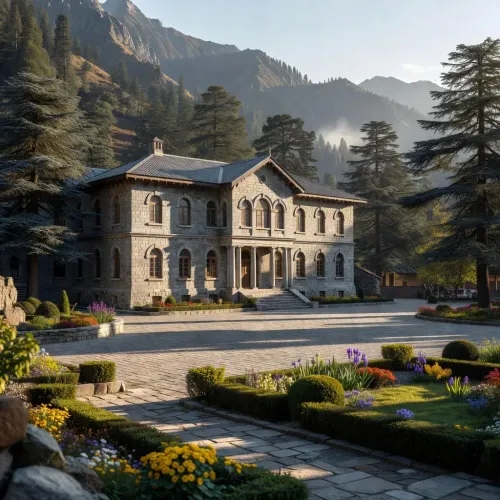
On the geothermal front, the Chief Minister confirmed that a geothermal energy project has been established in Kinnaur district — a remote high-altitude region of the state long identified for its geothermal potential. Kinnaur sits along active geological fault lines that make it a viable site for harnessing the Earth's subsurface heat as a clean power source.
Stakeholders and Impact
The primary audience for CM Sukhu's message is domestic and international investors in the IT sector and renewable energy space. By bundling AI-era technology investment with green energy infrastructure, the state government is attempting to position Himachal Pradesh as a destination that can satisfy both digital economy demands and environmental, social, and governance (ESG) commitments.
Renewable energy developers, particularly those exploring nascent technologies such as geothermal and biochar, stand to benefit from state-level policy support and potential land and grid facilitation. For the state's population — especially in districts like Kinnaur — successful project commissioning could mean local employment and improved energy access in areas that remain grid-challenged.
What's Next
Observers will watch for concrete follow-through in the form of state budget allocations, formal tender issuance for green hydrogen and geothermal projects, and any investment facilitation policy that formally links IT parks with renewable energy commitments. The Himachal Pradesh government's ability to attract private capital into these niche but strategically significant sectors will be the real test of the vision CM Sukhu outlined on 19 July 2026. If the state can translate its natural resource endowments into investable projects at scale, it could carve out a distinctive national role in India's clean energy transition.
Point of View
Green ammonia, geothermal, biochar), the Chief Minister moves beyond aspirational rhetoric toward a portfolio-style investment narrative, which is more credible to institutional investors. The Kinnaur geothermal project, if operationalised at meaningful scale, would give Himachal Pradesh a genuine differentiator that hydro-heavy states lack. The broader arc here is India's race to translate its National Green Hydrogen Mission targets into state-level execution, and Sukhu is signalling that Himachal intends to be a front-runner rather than a bystander.
NationPress
20 Jul 2026
Frequently Asked Questions
What did CM Sukhu say about green hydrogen in Himachal Pradesh?
CM Sukhu stated that if any state is to become the leading state in green hydrogen in the coming times, it will be Himachal Pradesh, and that the state is already advancing in green ammonia and biochar projects alongside this goal.
What is the geothermal energy project in Kinnaur district?
CM Sukhu confirmed that a geothermal energy project has been established in Kinnaur district, a remote high-altitude region of Himachal Pradesh with known geothermal potential due to its active geological fault lines. Specific capacity and commissioning details have not been officially verified in public records.
What is India's National Green Hydrogen Mission?
The National Green Hydrogen Mission was launched by the central government in 2023 with a target of achieving 5 million tonnes of annual green hydrogen production capacity by 2030 as part of India's net-zero emissions pathway.
Why is CM Sukhu linking IT investment with renewable energy in Himachal Pradesh?
CM Sukhu argued that investors entering the IT sector will find immense renewable energy possibilities in Himachal Pradesh, positioning the state's clean energy infrastructure as an advantage for technology companies that need sustainable power and have ESG commitments.
What is biochar and why is Himachal Pradesh investing in it?
Biochar is a carbon-rich material produced by heating organic matter in low-oxygen conditions; it is used as a soil enhancer and carbon sequestration tool. Himachal Pradesh is setting up biochar projects as part of its broader strategy to diversify beyond hydropower into multiple clean energy and green technology sectors.