CM Tamang backs Modi's push to end paper leaks
Synopsis
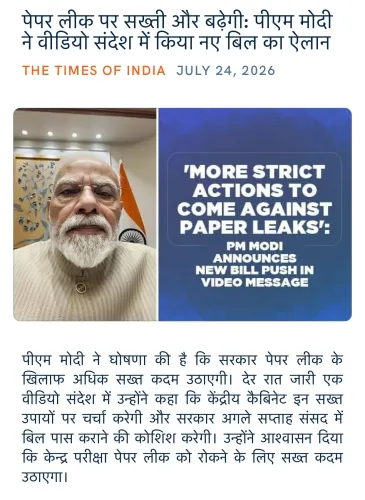
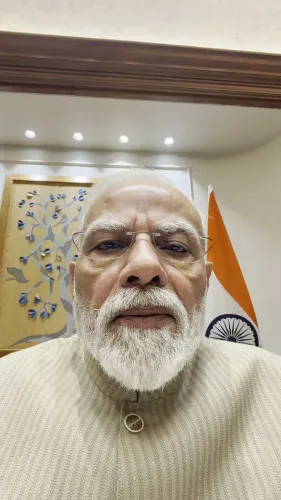
Sikkim Chief Minister Prem Singh Tamang on 24 July 2026 publicly backed PM Narendra Modi's drive to eliminate paper leaks in competitive exams, calling it a reinforcement of the collective resolve to safeguard students' futures. The statement aligns with the Centre's 2024 anti-malpractice legislation and ongoing NTA reform efforts.
Key Takeaways
Sikkim CM Prem Singh Tamang on 24 July 2026 endorsed PM Narendra Modi 's anti-paper-leak stance on X.
The Centre enacted the Public Examinations (Prevention of Unfair Means) Act in February 2024 to penalise exam malpractice.
The National Education Policy 2020 laid the earlier policy groundwork for examination integrity reforms.
Sikkim has coordinated with the National Testing Agency on exam conduct since at least 2022 .
Lakhs of students appearing for NEET , JEE , and central recruitment tests stand to benefit from stronger anti-leak measures.
SKM's consistent alignment with central education priorities signals continued administrative cooperation on exam security.
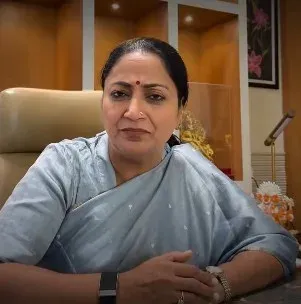
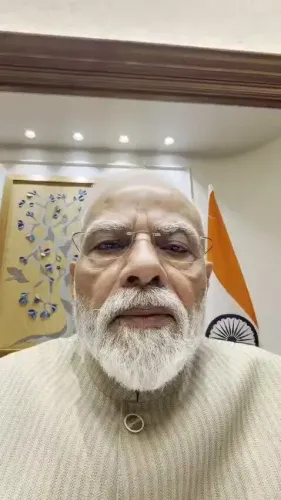
Sikkim Chief Minister Prem Singh Tamang on Friday, 24 July 2026, publicly endorsed Prime Minister Narendra Modi's efforts to eliminate paper leaks in competitive examinations, calling the commitment a reinforcement of the collective resolve to protect students' futures and aspirations.
Context
Tamang's post on X praised what he described as Modi's 'unwavering commitment to eliminating paper leaks,' framing the Centre's stance as a shared national mission. The statement comes against the backdrop of sustained public anger over examination irregularities that have repeatedly disrupted the academic and career plans of lakhs of aspirants across India.
As founder-president of the Sikkim Krantikari Morcha (SKM) and Chief Minister since 2019, Tamang has consistently aligned Sikkim's public posture with central government priorities on governance and education reform.
Policy Backdrop
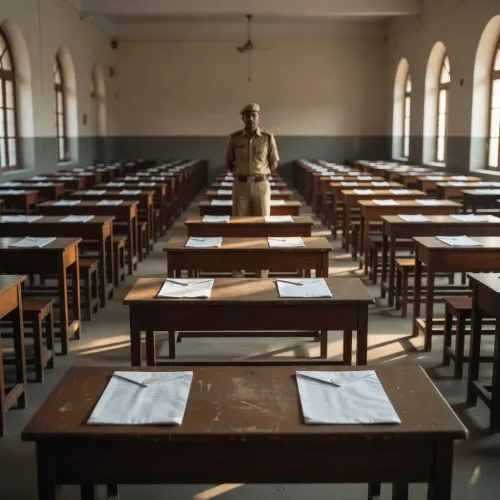
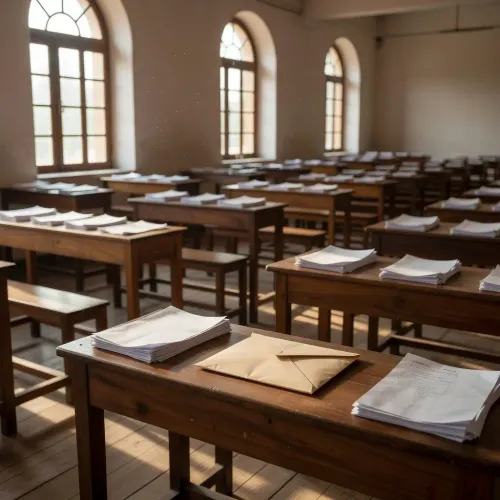
The central government enacted the Public Examinations (Prevention of Unfair Means) Act, which received presidential assent in February 2024, following a series of reported leaks in high-stakes tests including NEET and various staff selection examinations. The law prescribes stringent penalties for those found guilty of malpractice, paper theft, and impersonation in national-level recruitment and entrance tests.
This legislative move built on the foundation of the National Education Policy 2020, approved by the Union Cabinet in July 2020, which sought to modernise curricula and strengthen examination integrity across school and higher education. Together, these measures represent the Centre's most significant regulatory push on exam security in recent decades.
Recurring controversies around centralised examinations conducted by bodies such as the National Testing Agency (NTA) have kept exam security at the forefront of national policy debate, with successive governments facing pressure to move from reactive to preventive frameworks.
Stakeholders and Impact
The primary beneficiaries of stricter anti-leak measures are the millions of students who appear annually for entrance examinations such as NEET, JEE, and central government recruitment tests. For aspirants in smaller states like Sikkim, where access to private coaching infrastructure is limited, the integrity of centralised examinations carries disproportionate weight in determining upward mobility.
State education departments, including Sikkim's, have a direct stake in how reformed NTA processes are rolled out for the 2026-27 academic cycle. Sikkim's government has periodically coordinated with the NTA on exam conduct since at least 2022, making the Chief Minister's public endorsement also a signal of continued administrative cooperation.
Civil society groups representing exam aspirants have long demanded both legal deterrents and structural reforms — including digital question-paper delivery and real-time monitoring — to close the systemic gaps that have enabled leaks.
What's Next
Attention will now turn to whether the Centre announces updated operational protocols for national examinations ahead of the next major testing cycle, and whether states like Sikkim formally adopt or supplement central exam-security guidelines at the state level. Tamang's endorsement may also signal SKM's intent to position education integrity as a key political plank heading into future electoral cycles in the state. For lakhs of students whose futures hinge on the credibility of these examinations, the test of political resolve will ultimately lie in implementation.
Point of View
Amid sustained national debate over examination credibility, allows Sikkim's ruling party to stake a visible position on a youth-centric issue without committing to specific state-level action. More broadly, the pattern of smaller states amplifying central anti-corruption messaging on exams reflects a shift in how regional governments manage their relationship with an increasingly centralised education administration. Whether this translates into concrete state-level exam-security measures will be the real measure of the political commitment expressed here.
NationPress
22 Oct 2026
Frequently Asked Questions
What did Sikkim CM Prem Singh Tamang say about paper leaks?
On 24 July 2026, CM Tamang posted on X praising PM Modi's 'unwavering commitment to eliminating paper leaks,' calling it a reinforcement of the collective resolve to safeguard students' futures and aspirations.
What is the Public Examinations (Prevention of Unfair Means) Act?
It is a central law that received presidential assent in February 2024, prescribing strict penalties for paper leaks, impersonation, and other malpractices in national-level recruitment and entrance examinations such as NEET and SSC tests.
Why are paper leaks a major issue in India?
Recurring leaks in high-stakes exams like NEET and SSC have disrupted the academic plans of lakhs of aspirants, eroding trust in the examination system and prompting demands for stronger legal deterrents and digital security protocols.
What is Sikkim's role in national examination reforms?
Sikkim's state government has coordinated with the National Testing Agency on exam conduct since at least 2022, and CM Tamang's public endorsements signal continued administrative cooperation with central exam-security initiatives.
What is the Sikkim Krantikari Morcha (SKM)?
The SKM is the ruling political party in Sikkim, founded by Chief Minister Prem Singh Tamang, who has led the state government since 2019. The party has consistently aligned its public positions with central government priorities on education and governance.