CM Tamang Greets Sikkim on 12th International Day of Yoga
Synopsis
Sikkim Chief Minister Prem Singh Tamang greeted citizens on the 12th International Day of Yoga, spotlighting the 'Yoga for Healthy Ageing' theme and praising PM Modi for taking yoga global since India's 2014 UN proposal. He linked Sikkim's mountain heritage to yoga's ethos of balance and holistic living.
Key Takeaways
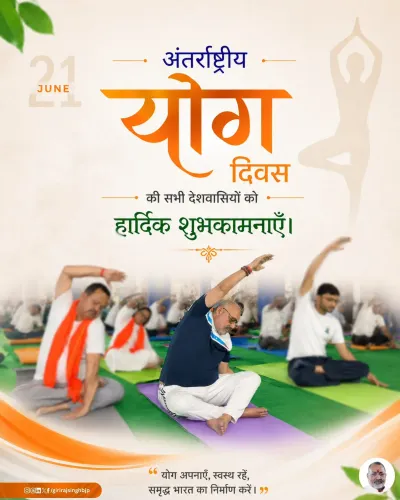
Sikkim Chief Minister Prem Singh Tamang posted greetings on the 12th International Day of Yoga on 21 June 2026 .
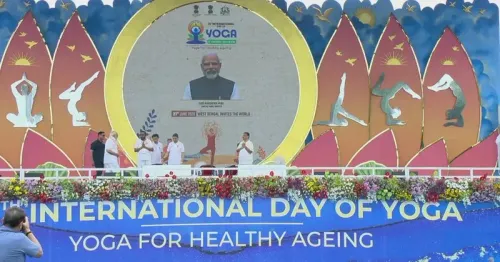
The 2026 theme, 'Yoga for Healthy Ageing,' focuses on yoga's role in promoting well-being across all stages of life.
International Day of Yoga was established following PM Narendra Modi's proposal at the UN General Assembly in 2014 , with the first observance in 2015 .
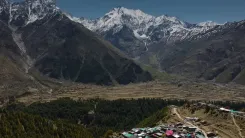
CM Tamang linked Sikkim's Himalayan, spiritual, and ecological identity to yoga's values of balance and sustainability.
The message reinforces state-centre alignment on national wellness and cultural-diplomacy priorities.
Observers will watch for Sikkim rolling out yoga programmes specifically targeting older adults in the coming months.
Sikkim Chief Minister Prem Singh Tamang on Sunday, 21 June 2026 extended greetings to citizens across the state and the country on the occasion of the 12th International Day of Yoga, highlighting this year's theme of 'Yoga for Healthy Ageing' and crediting Prime Minister Narendra Modi for elevating yoga to a global platform.
Context
In his post, Chief Minister Tamang described the 2026 theme — 'Yoga for Healthy Ageing' — as a reflection of yoga's 'timeless wisdom in promoting physical vitality, mental well-being, emotional balance, and a healthier quality of life across all stages of ageing.' He called on citizens to 'renew our commitment to making yoga an integral part of our lives' and work toward 'a healthier, peaceful, and sustainable world.'
The International Day of Yoga is observed annually on 21 June, following a United Nations resolution adopted after Prime Minister Modi proposed the observance at the UN General Assembly in 2014. The first global observance was held in 2015, making 2026 the twelfth edition.
Policy Backdrop
India's push for International Yoga Day has functioned as both cultural diplomacy and public-health outreach since its inception. Prime Minister Modi's 2014 proposal at the UN General Assembly won record co-sponsorship from member states, cementing yoga's status as a globally recognised wellness practice rooted in Indian tradition.
Himalayan states, including Sikkim, have consistently woven yoga messaging into their broader identity of spiritual heritage and ecological sustainability. Chief Minister Tamang underscored this alignment, noting that Sikkim's 'pristine mountains, spiritual heritage, and deep connection with nature' make yoga 'a natural part of our way of life.' This framing positions the state's wellness outreach within both national health priorities and its own environment-first governance philosophy.
Stakeholders and Impact
The 2026 theme's focus on healthy ageing is particularly relevant for Sikkim's older adult population, for whom yoga-based interventions can offer low-cost, accessible pathways to managing non-communicable diseases and improving quality of life. Community yoga programmes in mountainous terrain face logistical challenges, but the state's existing network of spiritual and cultural institutions provides a ready infrastructure for outreach.
Broader beneficiaries include the general public across India, as central health policy increasingly looks to integrate traditional wellness practices into ageing and preventive-care frameworks. Chief Minister Tamang's explicit gratitude to PM Modi also signals continued state-centre alignment on health and wellness priorities ahead of any forthcoming national guidelines on yoga in elder care.
What's Next
Observers will watch whether Sikkim rolls out structured yoga programmes targeting older adults in the months following the observance, particularly in rural and high-altitude communities. At the national level, any central health ministry guidelines incorporating yoga into non-communicable disease or ageing policies would give state-level messaging like CM Tamang's a concrete programmatic anchor.
As India continues to project yoga as a soft-power instrument internationally, the convergence of state-level adoption and central government promotion suggests the practice will remain a fixture of public-health communication well beyond the annual observance.
Point of View
Sikkim's image as an ecologically conscious Himalayan state. The explicit praise for PM Modi signals stable state-centre relations and positions the ruling Sikkim Krantikari Morcha as a cooperative partner in national wellness outreach. The 'Healthy Ageing' theme also gives the state a policy hook to push community health programmes targeting older adults, a demographic that will grow as migration draws younger Sikkimese to urban centres. Taken together, the post is low-controversy but strategically calibrated to reinforce both national solidarity and local governance identity.
NationPress
21 Jun 2026
Frequently Asked Questions
What did Sikkim CM Prem Singh Tamang say on International Yoga Day 2026?
CM Tamang extended greetings on the 12th International Day of Yoga, highlighted the 'Yoga for Healthy Ageing' theme, connected Sikkim's mountain heritage to yoga's values, and thanked PM Modi for promoting yoga globally.
What is the theme of International Day of Yoga 2026?
The theme for the 12th International Day of Yoga, observed on 21 June 2026, is 'Yoga for Healthy Ageing,' focusing on yoga's role in physical vitality and well-being across all stages of life.
Who proposed International Day of Yoga at the United Nations?
Prime Minister Narendra Modi proposed June 21 as International Day of Yoga at the UN General Assembly in 2014; the first observance was held in 2015.
Why does Sikkim connect yoga to its state identity?
Sikkim's government has long linked its Himalayan spiritual heritage, biodiversity, and nature-connected way of life to yoga's ethos of balance and holistic living, making the annual observance a natural fit for state messaging.
Who is Prem Singh Tamang and what party does he lead?
Prem Singh Tamang, also known as Golay, is the Chief Minister of Sikkim and the founder-president of the Sikkim Krantikari Morcha, the ruling party in the state.